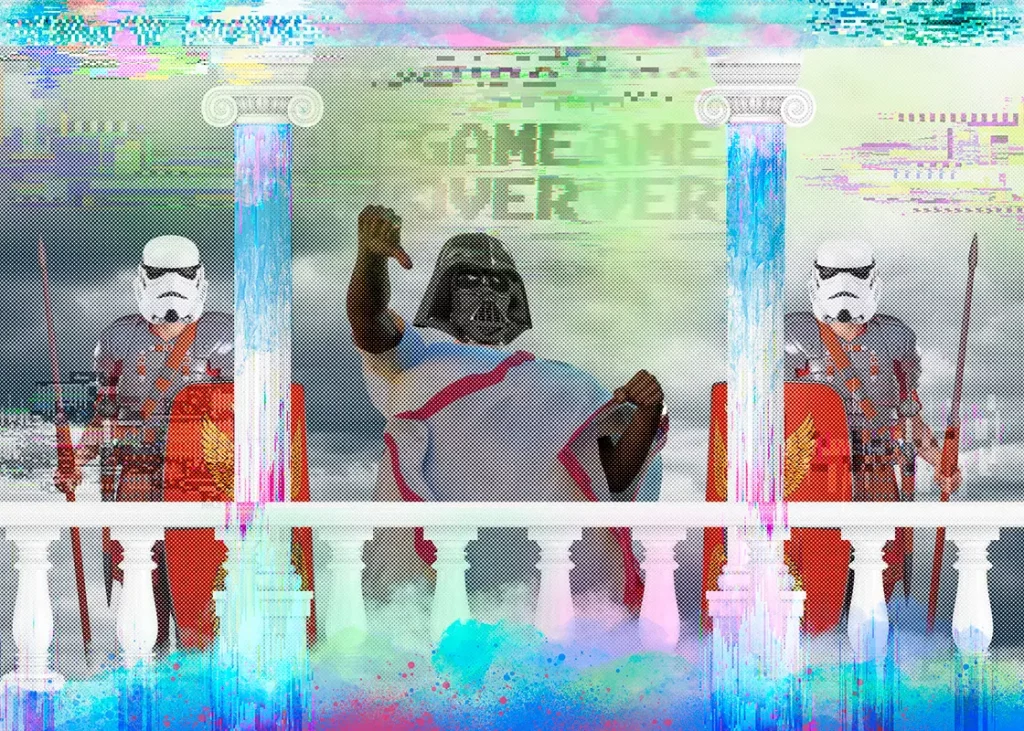
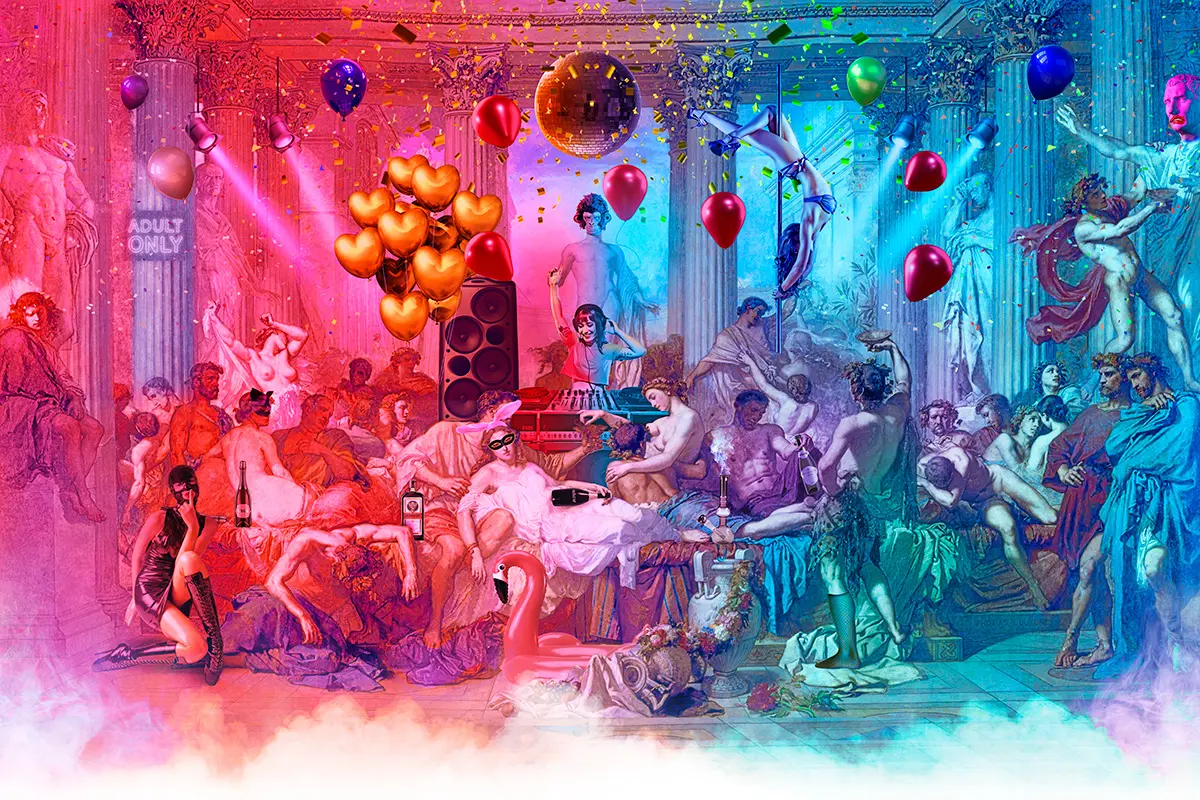
When creating art for spaces and interior design projects, aesthetics and beauty are not the only determining factors in deciding a work’s suitability. The pieces must fit harmoniously within the global concept of the project. This art is created ad hoc; therefore, the artist must always consider the idiosyncrasies of the spaces, their aesthetic, the color palettes used, special architectural elements, and the meaning behind the spatial design concept being applied. One works consequently based on specific guidelines. Once these guidelines are mastered, there is freedom to create.
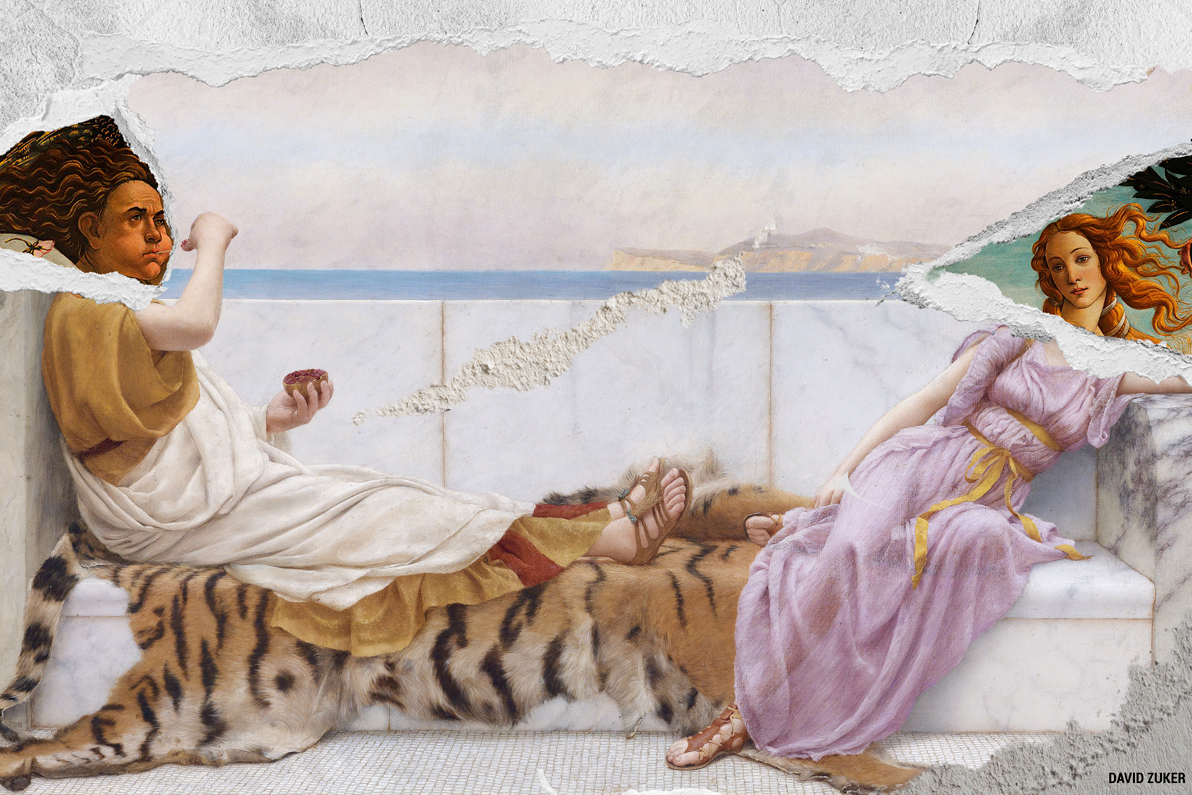
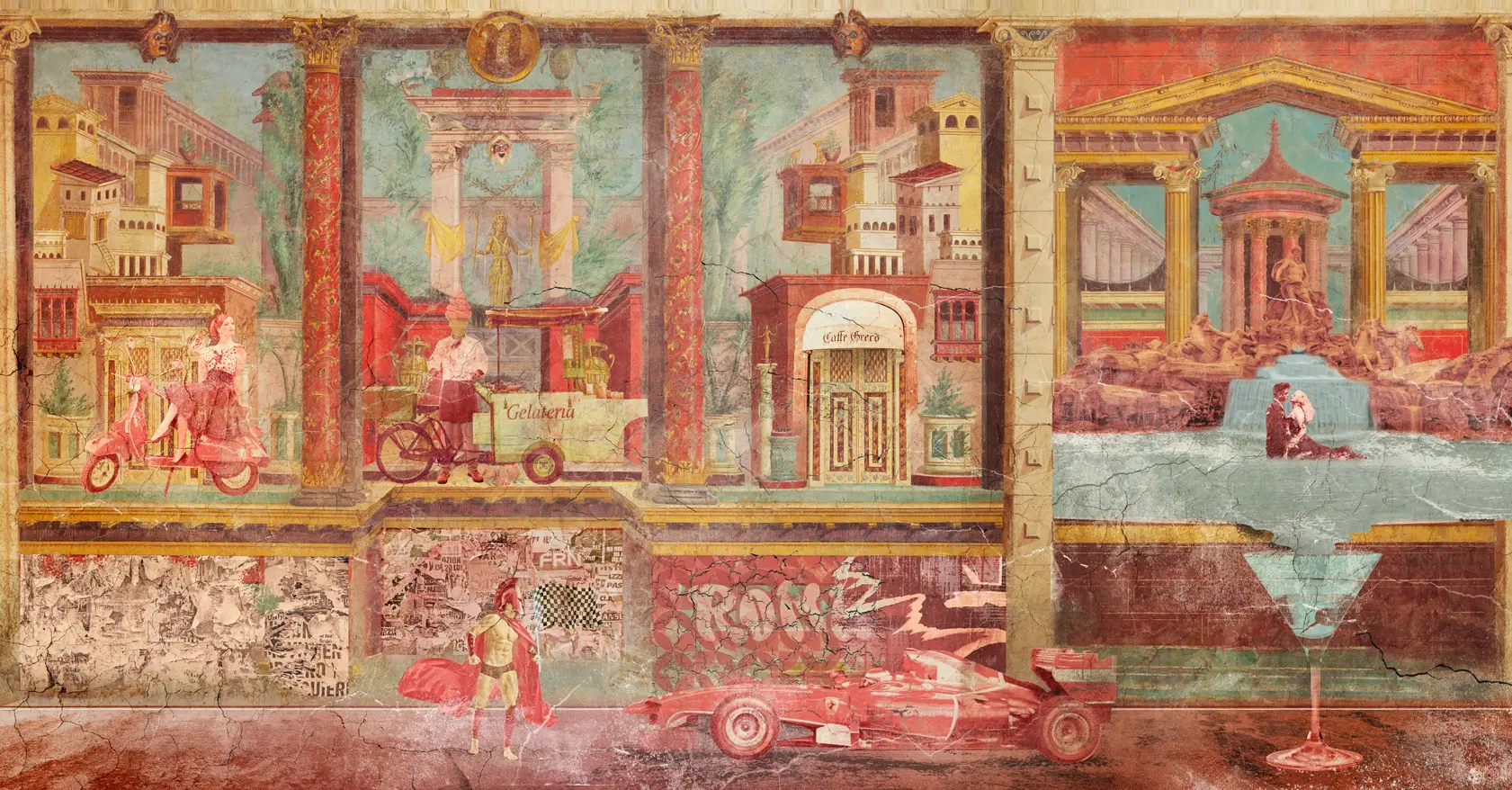
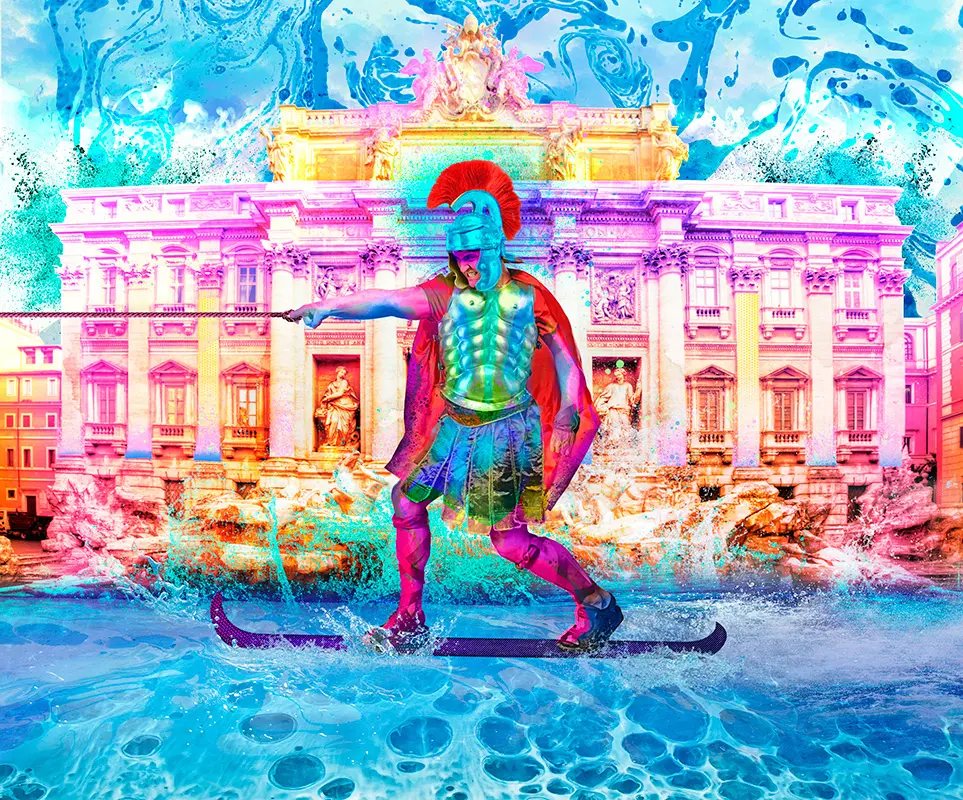
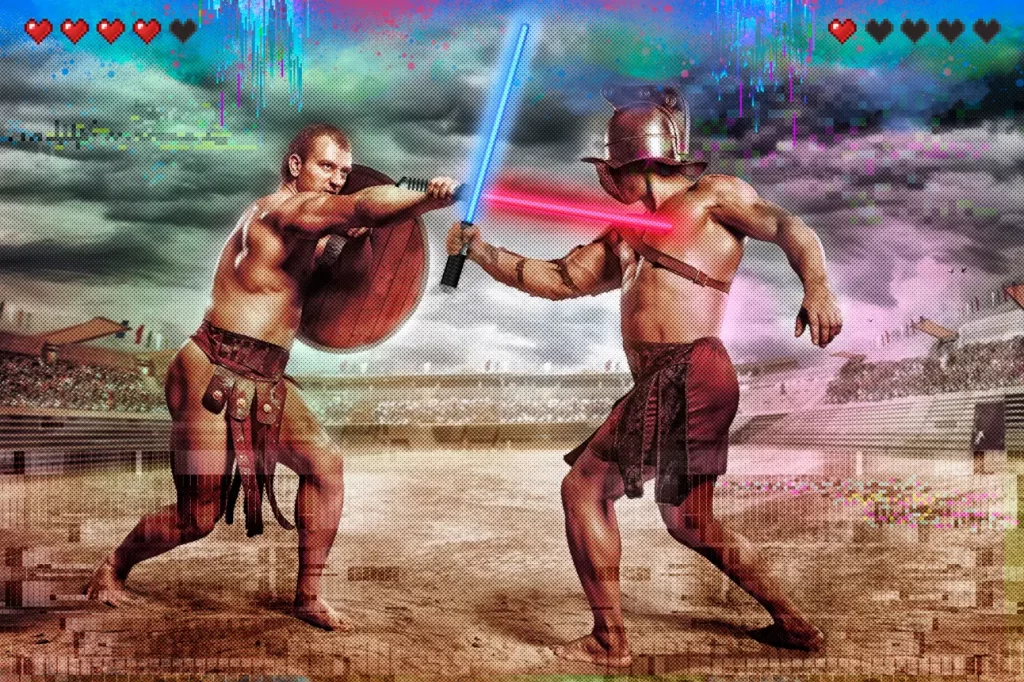
The art pieces accompanying this article were created for a hospitality design project but were subsequently set aside due to changes in the interior concept. Although the art created may be attractive, impactful, and hold meaning relative to the hotel’s central theme, pieces do not always fit into the final visual puzzle of an interior design project. These situations are part of the vicissitudes associated with being a spatial artist who is part of something larger—a creator working alongside a great team whose vision must always align with theirs.
As an artist and creator, I feel comfortable in this role and adapt naturally to its fluctuations. I believe it is exciting to be part of projects that transcend artistic contemplation—projects that become experiences people can touch, live inside, and feel they are “within.” Art fused with design for spaces overcomes the barriers of the art gallery to join the viewer without prejudice, breaking the invisible line that separates art from architecture and interior design.
Expanding the Vision: The Symphony of Art and Space
The creation of art for spaces goes beyond simple decoration; it is a careful choreography that balances aesthetics, functionality, and the psychology of the room. The choice of each piece implies a deep understanding of how colors, shapes, and textures interact not only with each other but also with architectural elements and natural or artificial light. This understanding ensures that the art not only complements the interior design but also enhances the spatial art & design experience for those who inhabit it.
Creative Collaboration: Artists and Interior Designers
The success of integrating art into interiors often resides in the collaboration between the spatial artist and the interior designers or architects. This synergy allows both sides to contribute their unique vision to the project, fusing art and design so that every element within the space speaks the same visual language. Through this collaboration, it is ensured that the art is not just a final addition, but an integral component of the spatial design concept from the very beginning.
The Impact of Art on the Spatial Experience
Hospitality art has the power to transform an ordinary space into an extraordinary experience. It is not just a question of aesthetics; it is also a powerful tool to evoke emotions, create a sense of place, and master spatial storytelling. In the context of a hotel, for example, art can transport guests to another era, evoke the tranquility of nature, or simply provoke joy and wonder. In doing so, art enriches the user experience, making every stay memorable and unique.
In conclusion, the integration of art into interior design projects is a complex and collaborative process that goes far beyond aesthetics. It requires a deep understanding of the space, close collaboration between artists and designers, and a shared vision to create environments that are not only visually impressive but also resonate emotionally with those who experience them. As a professional in hospitality storytelling, being part of this process is an exciting and rewarding journey—one that allows art to transcend traditional limits and become a living part of our daily lives.