EXPERIENTIAL DESIGN FOR HOSPITALITY AS THE SOURCE OF NEW NARRATIVES

In a world saturated by infinite scrolling and artificial intelligence, experiential design emerges as the answer to a new generation's need to rediscover authentic stimuli.

There is something that has become clear over the years, almost the opposite of how it is usually told: the best design is not the one meant to be admired, but the one that inspires others to create from it. When David Zuker designed the spaces for nhow Amsterdam RAI, he couldn't have imagined the extent to which this would happen. He sensed it. From the beginning, he worked with the idea of creating Visual Storytelling, not decoration. But it is one thing to pursue that ambition and quite another to see it confirmed years later, when designers, stylists, and magazines choose those spaces not just as a backdrop, but as a starting point to build their own stories. This is exactly what Tilly Zegers, Kyra Vister, VOL Magazine, and Vriendin did. And that is what this report is about: how Experiential Design for Hospitality, when conceived with sufficient narrative density, ceases to belong solely to its author and begins to generate narratives in others.

THE HOTEL THAT REFUSED TO BE JUST A HOTEL

Experiential Design for Hospitality can be defined as the strategic fusion of branding, storytelling, and art applied to the physical spaces of a hotel. It is not about "decorating" rooms or lobbies; it is about designing narrative graphic systems that transform brand identity into tangible experiences for the guest, consistent across rooms, common areas, and visual communication. When this approach is applied with rigor, the result is not just a "pretty" hotel, but a visual universe with its own rules, capable of generating content, inspiring other creatives, and fueling long-term brand positioning.

nhow Amsterdam RAI: A Laboratory for Experiential Design

nhow Amsterdam RAI was born with a clear concept: to be a multicultural "Pop Art gallery" where the mix of global iconographies defines the hotel's personality. The experiential design work developed by David Zuker for this project consisted of transforming that idea into a visual system that runs through floors, walls, headboards, and noble areas, articulating a narrative that the guest physically traverses: from the Catrinas in the Moana Lounge to the Geisha in the East rooms. This coherence turns the hotel into a laboratory for hospitality experiential design: an environment where every visual element is designed to sustain a story, and where the user experience in the space is as vital as the brand's digital experience.

From experience to narrative stage

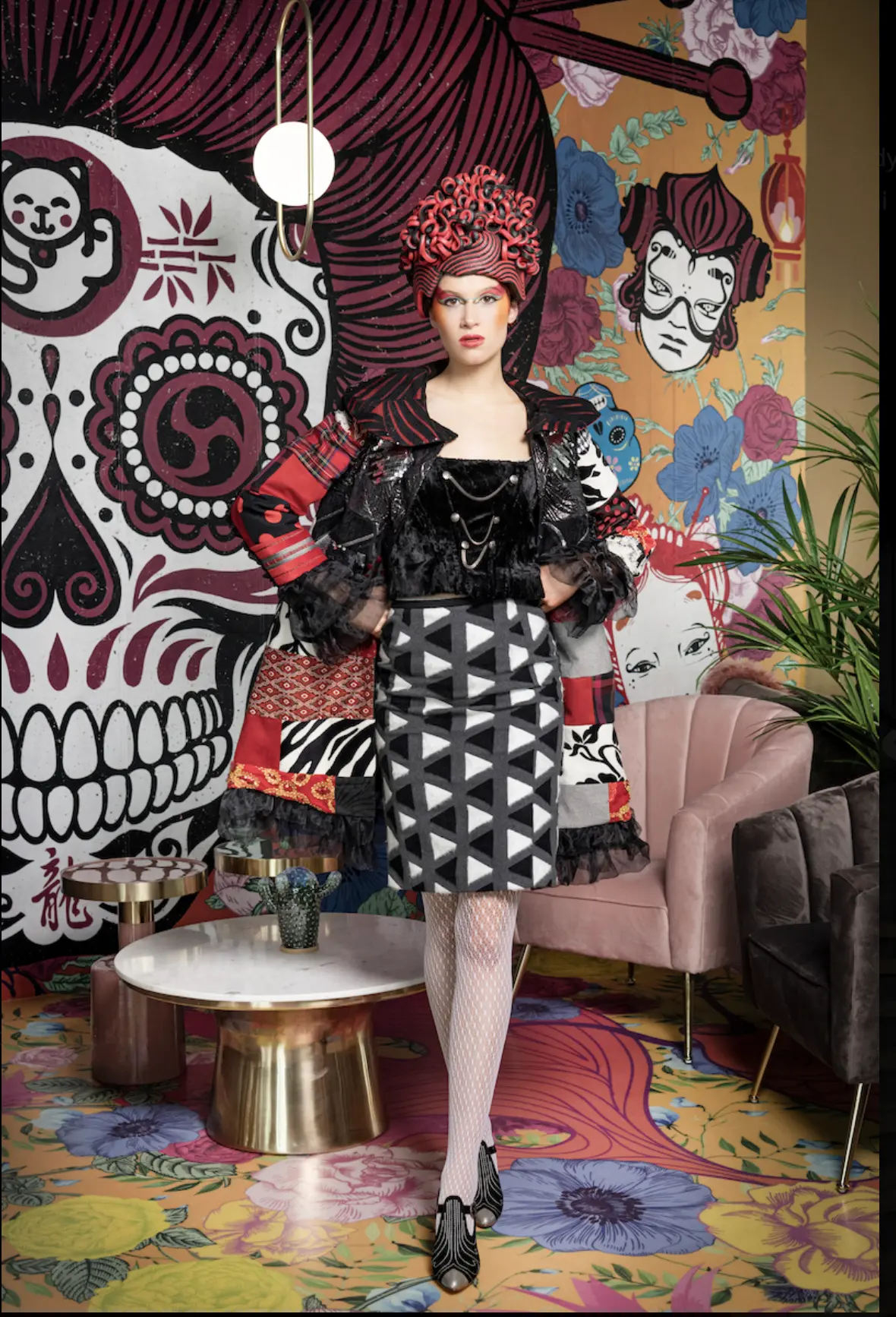
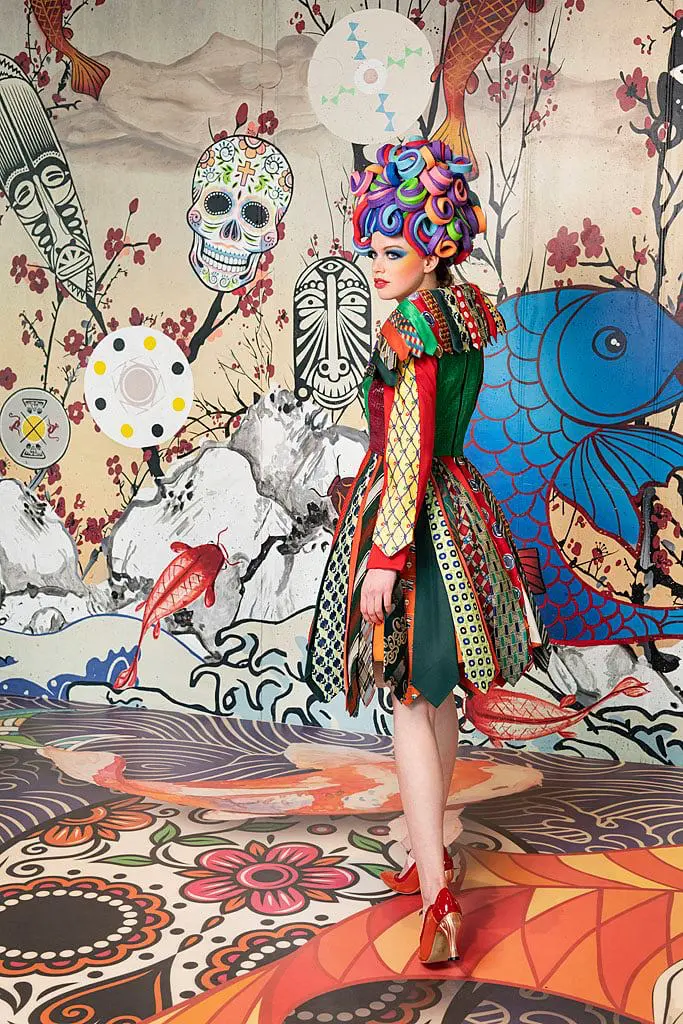
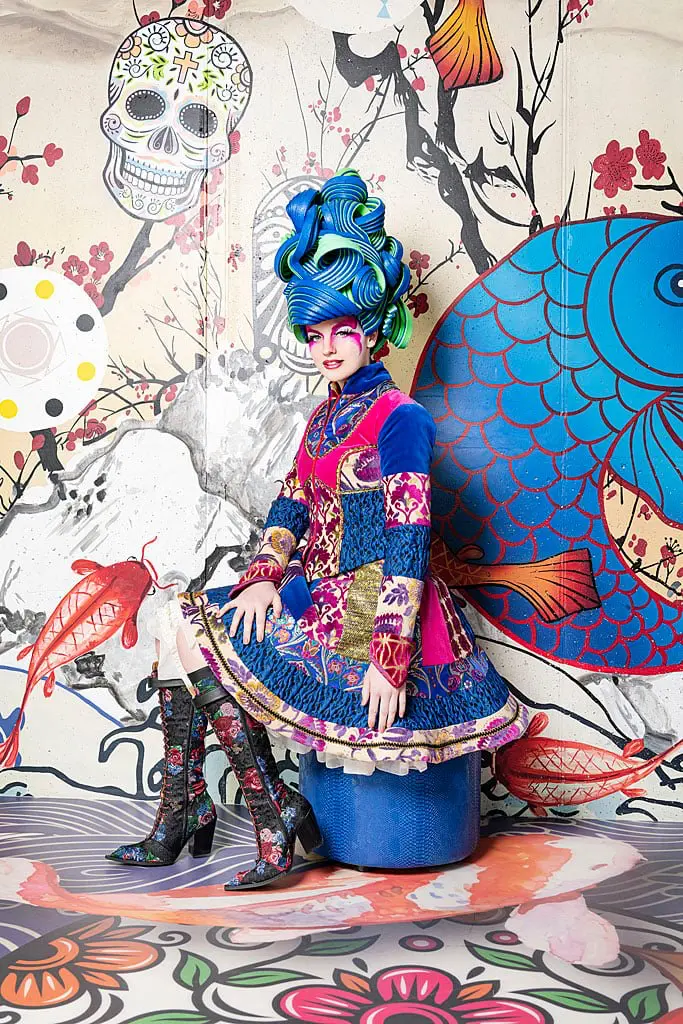
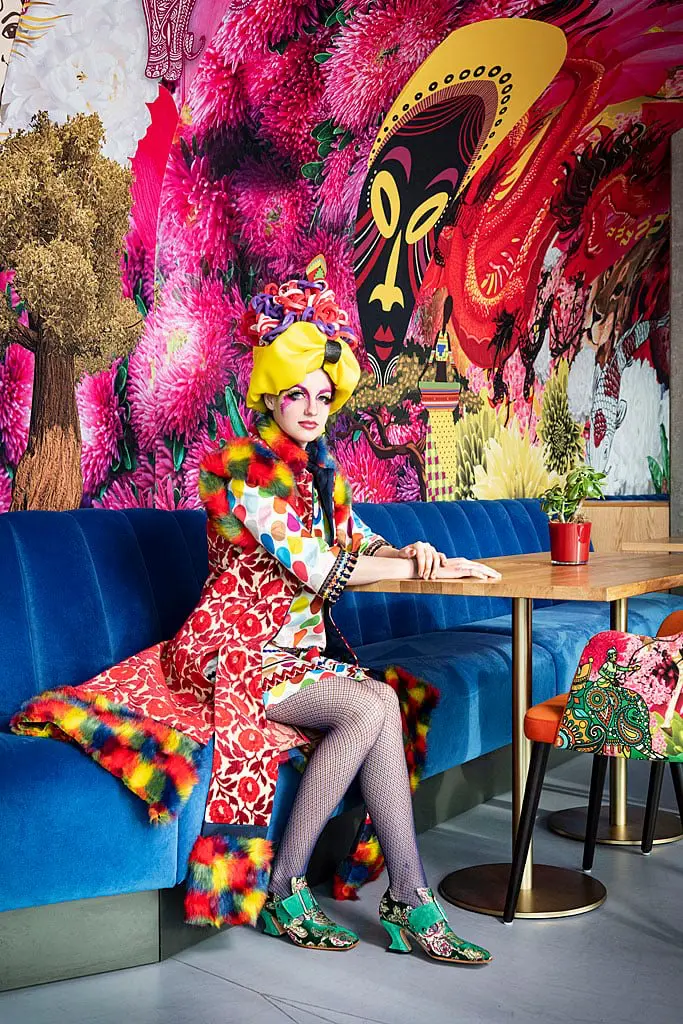
When an experiential design project is well-constructed, the space ceases to be a simple context and becomes a set ready to be used by other storytellers. At nhow Amsterdam RAI, this quality has become evident every time photographers, costume designers, stylists, and magazines have chosen these designs as the primary context for their photoshoots. The strategic value lies not only in media visibility but in something deeper: experiential design demonstrates its ability to generate "derivative storytelling"—new stories born from the hotel's narrative matrix.

Tilly Zegers

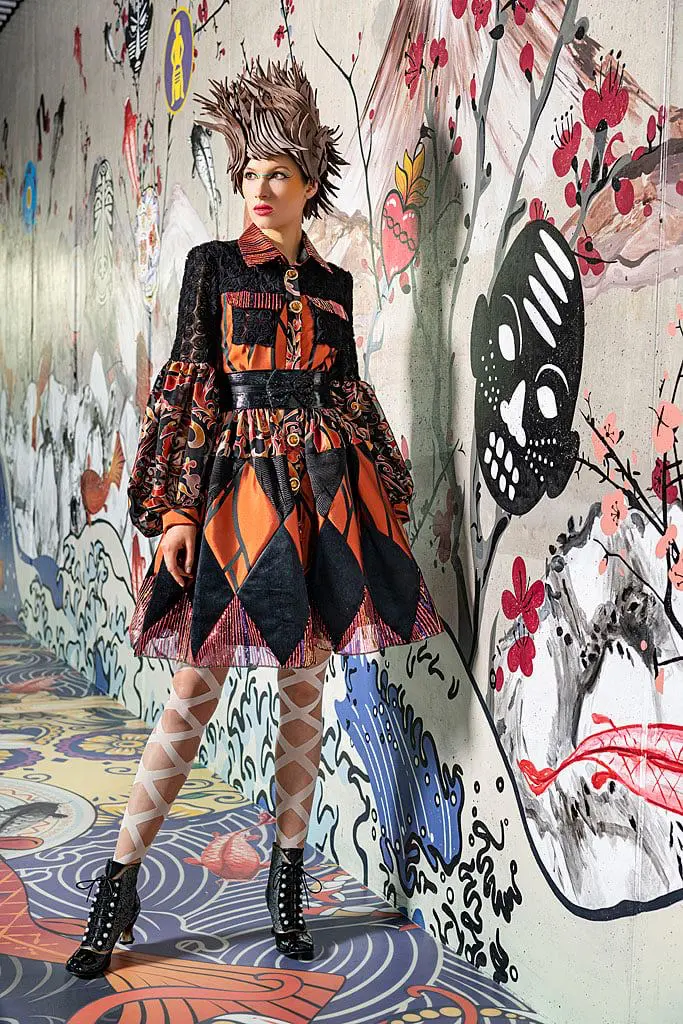
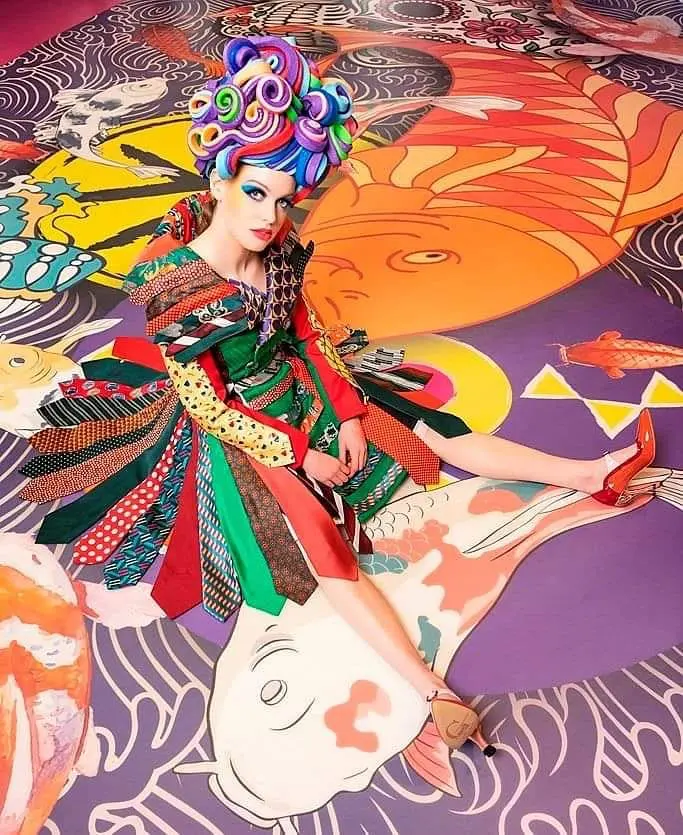
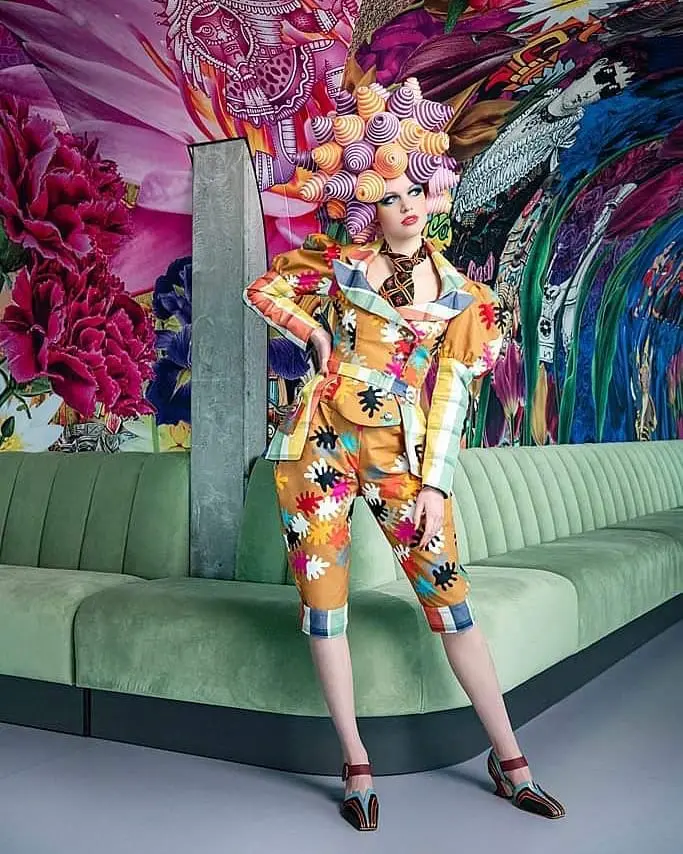
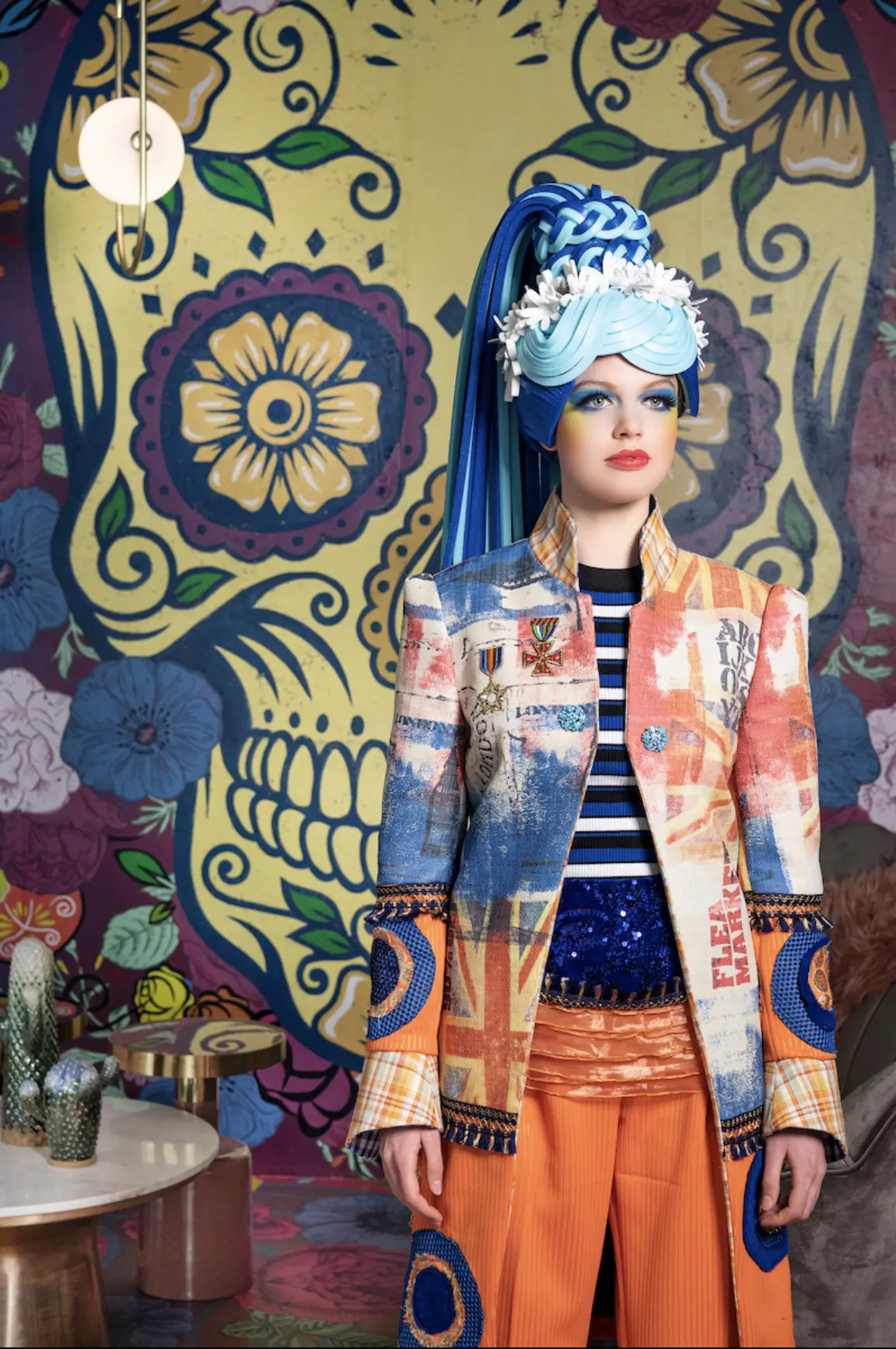
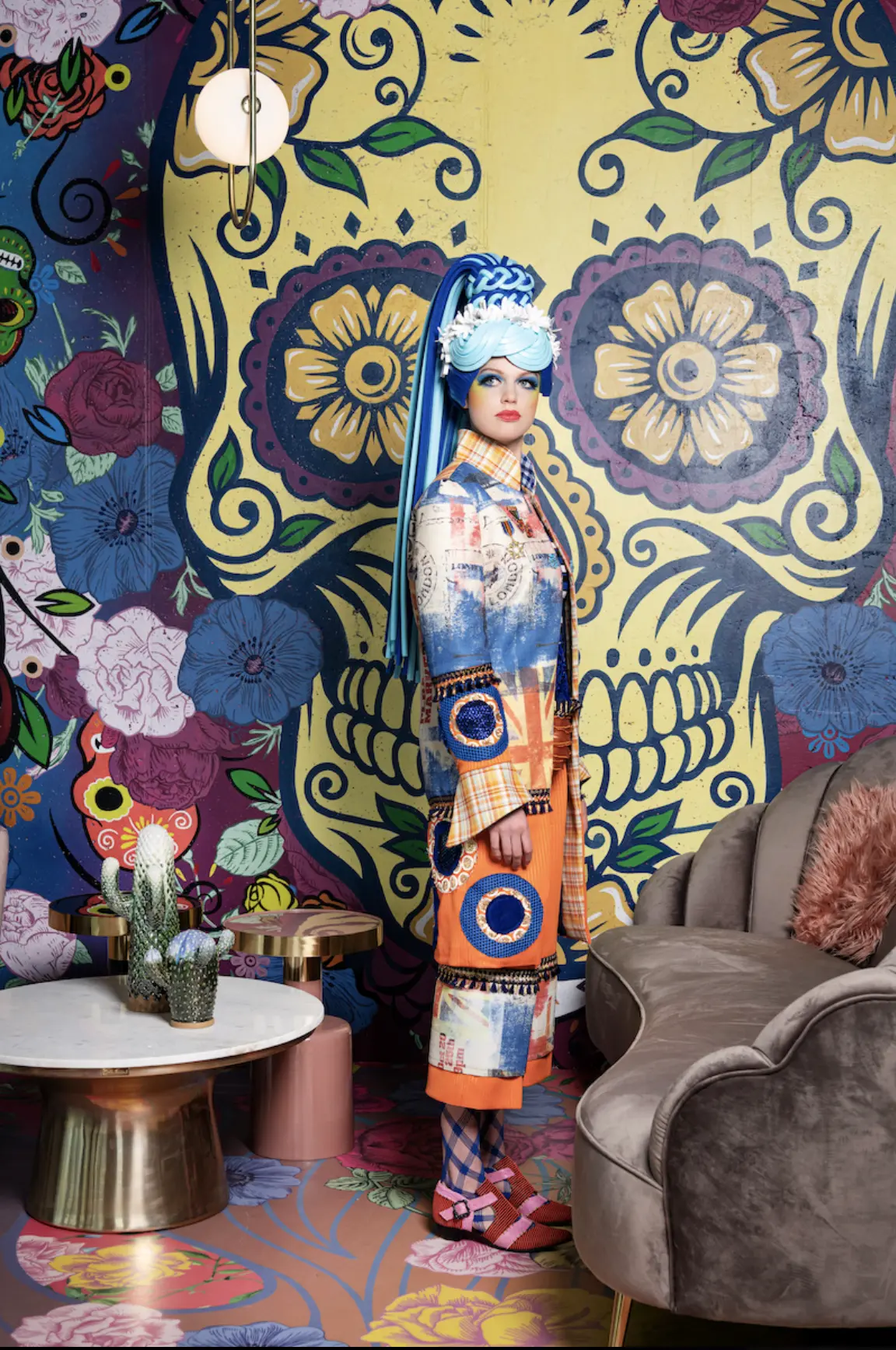
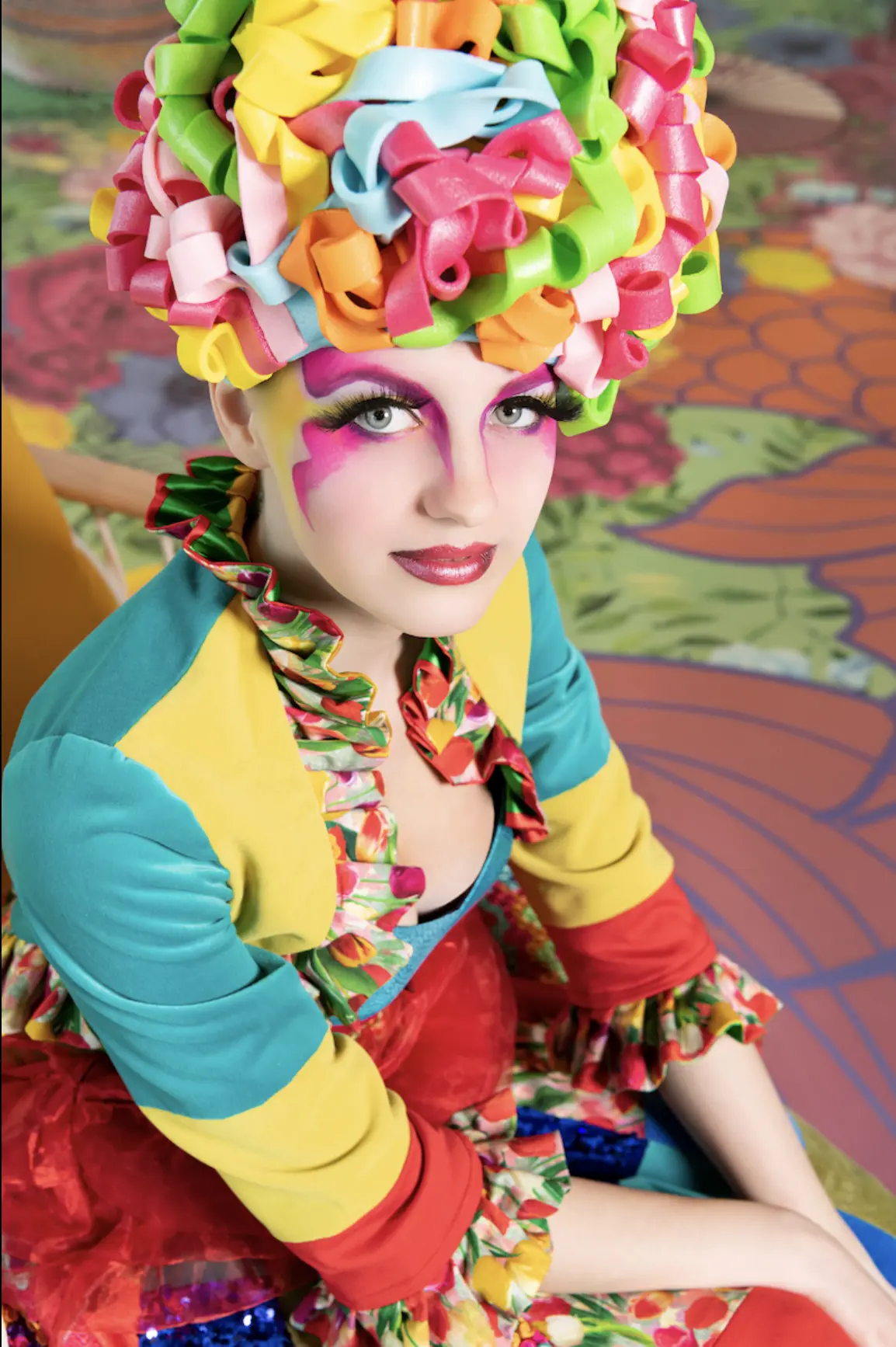
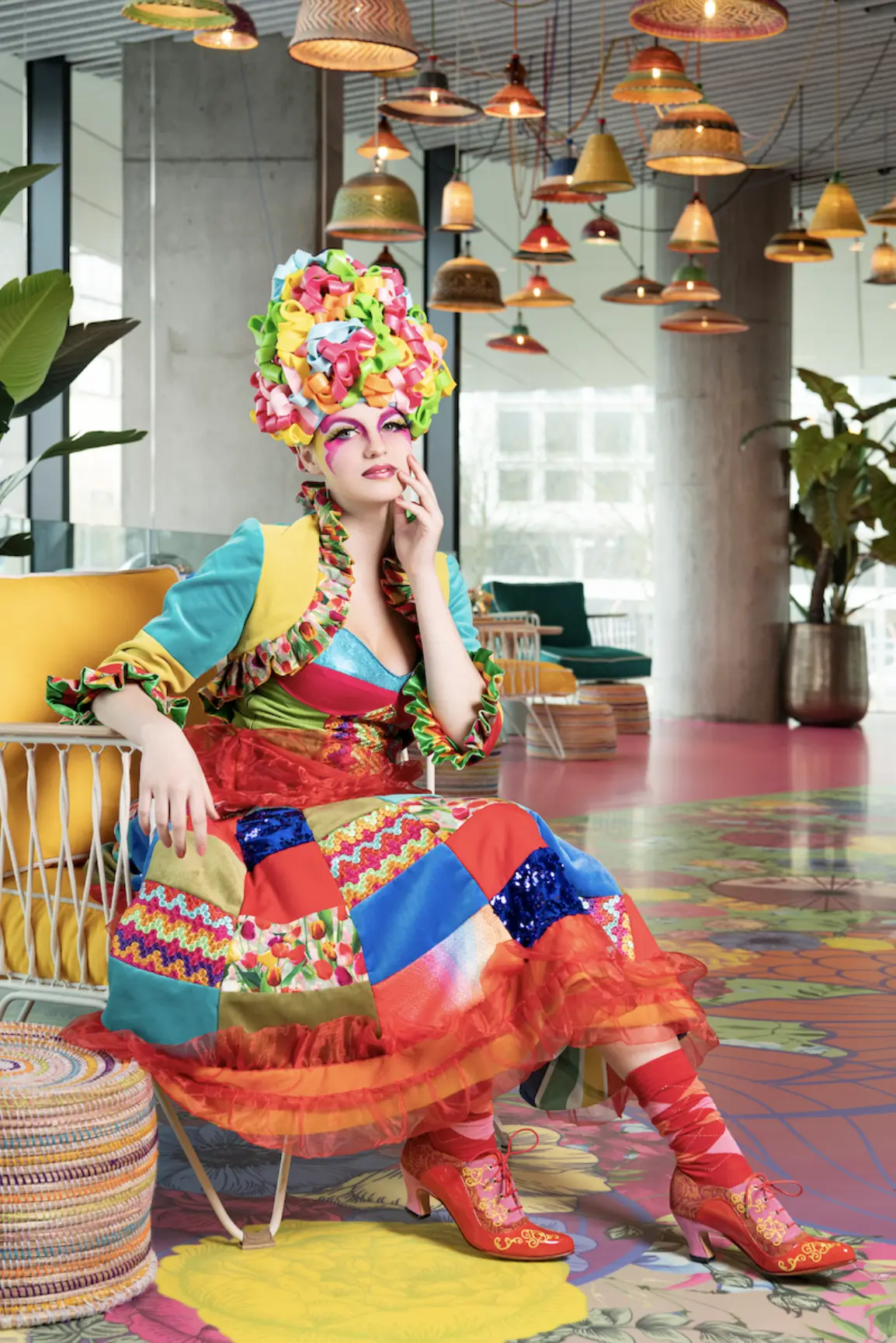
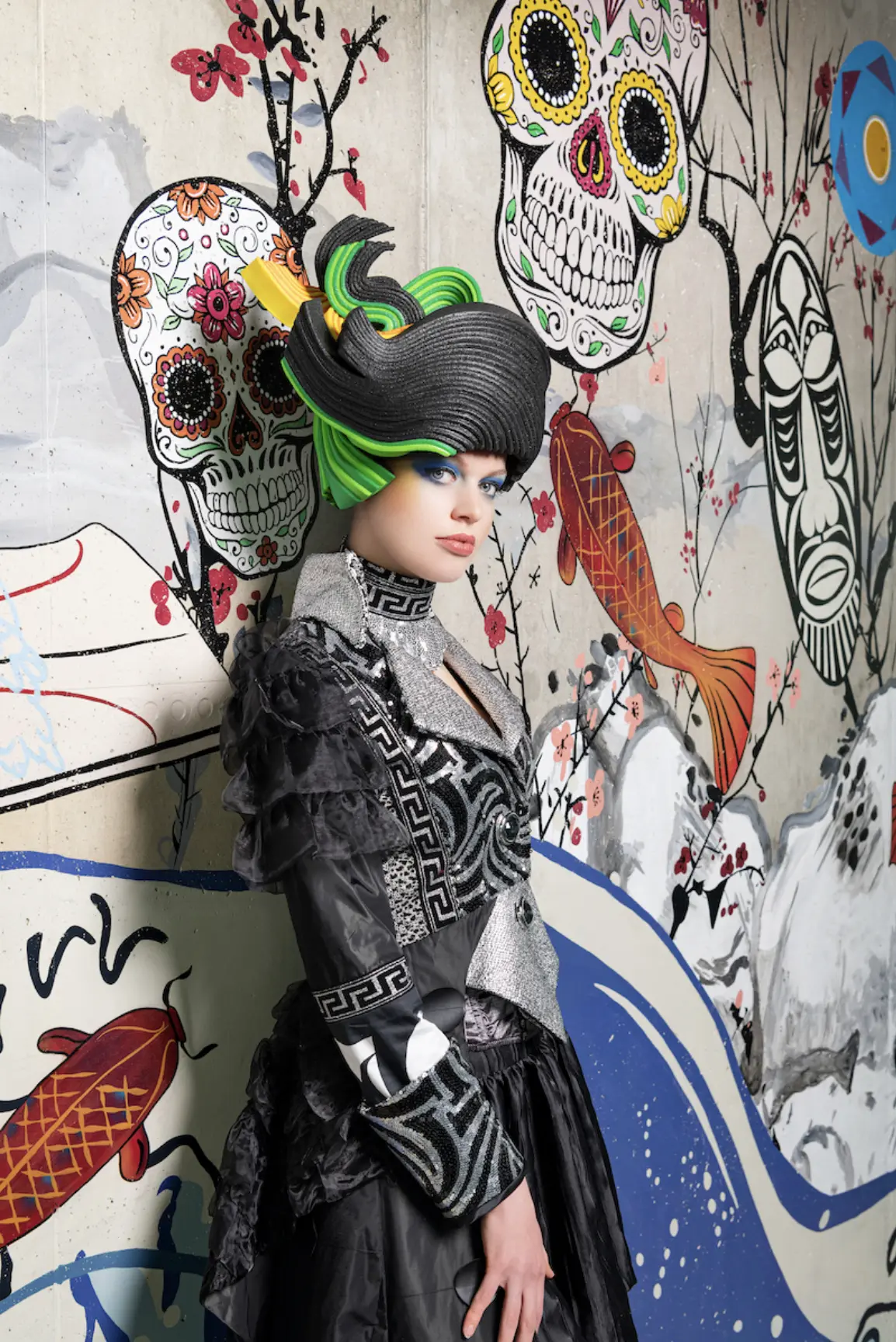
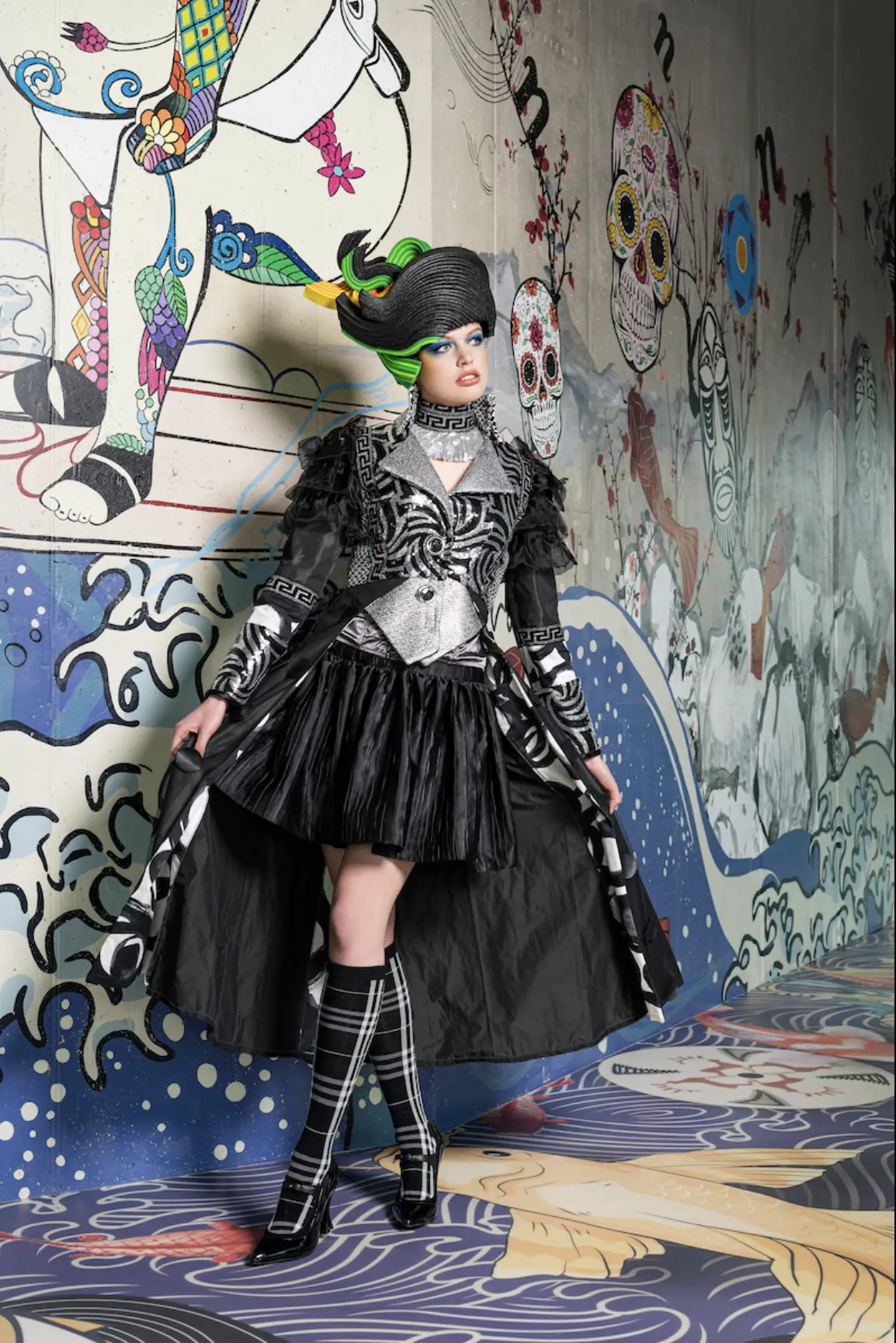
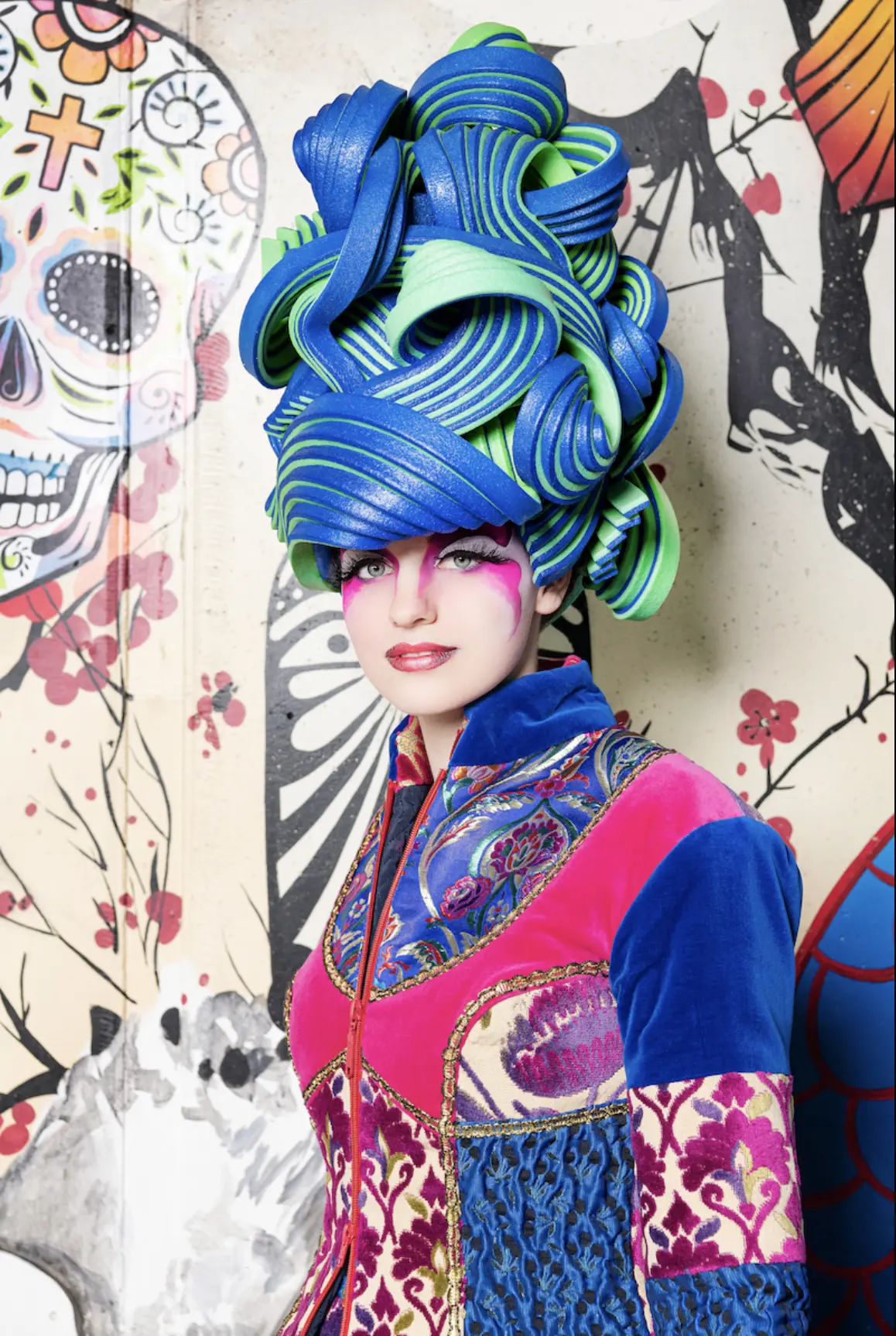
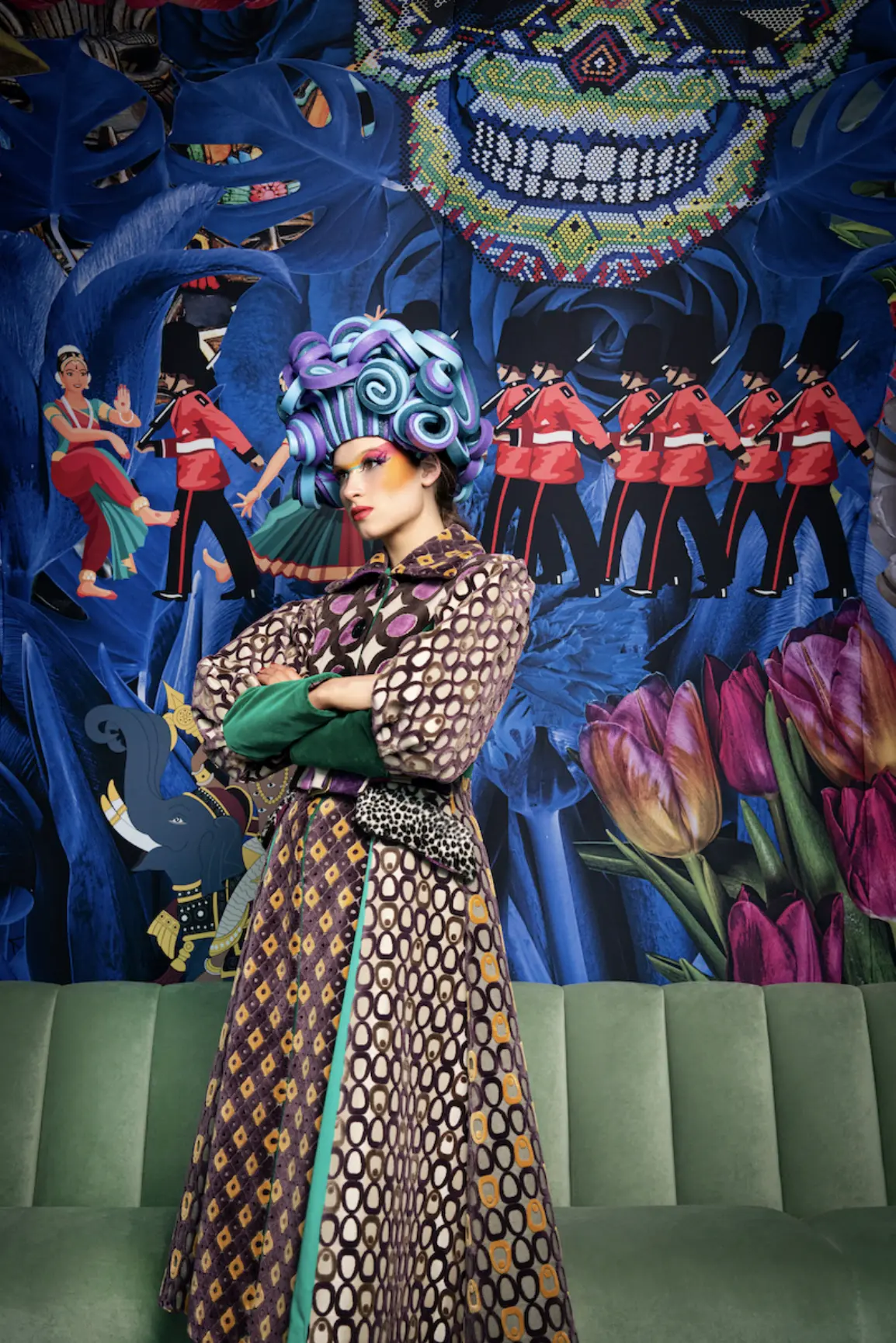
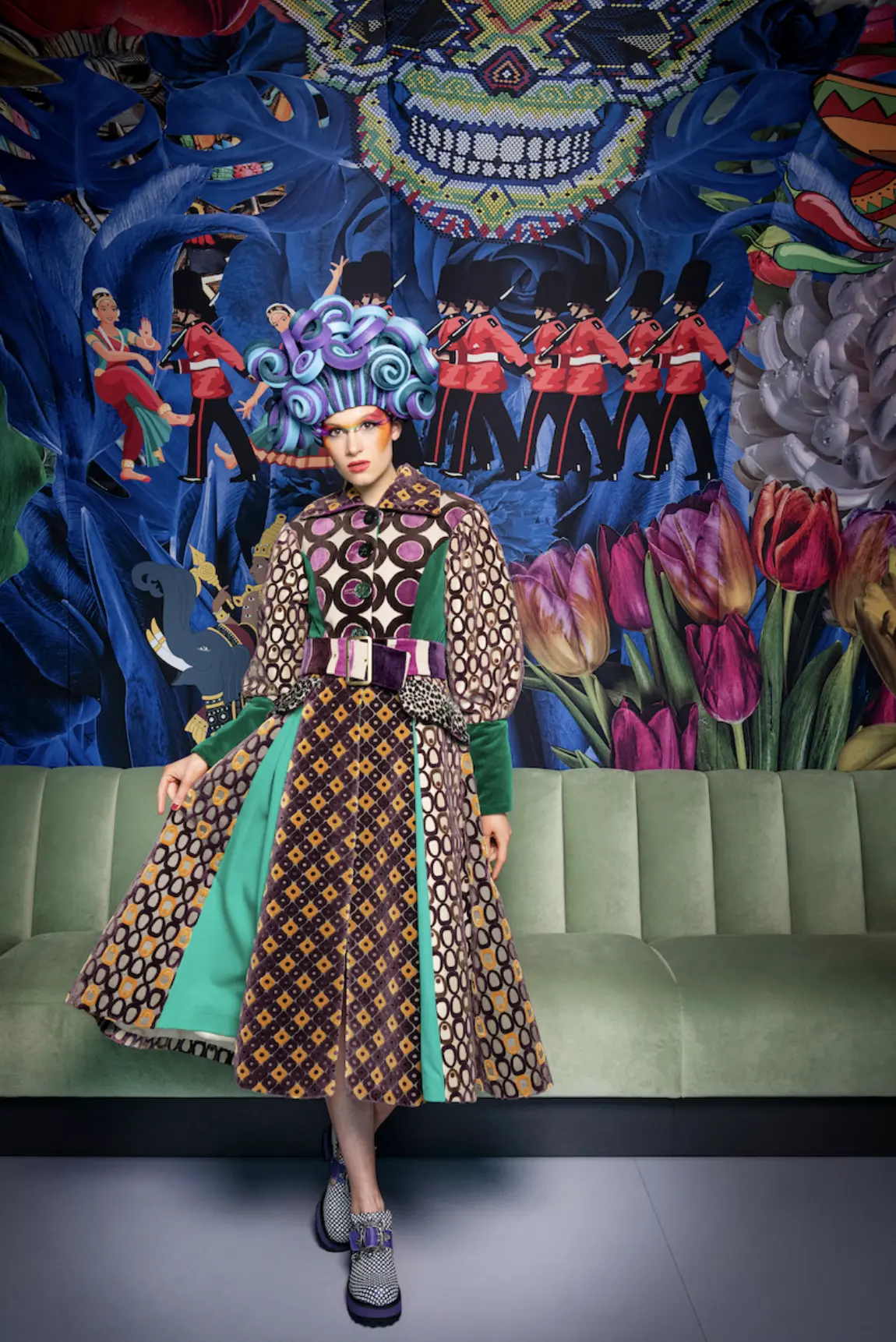
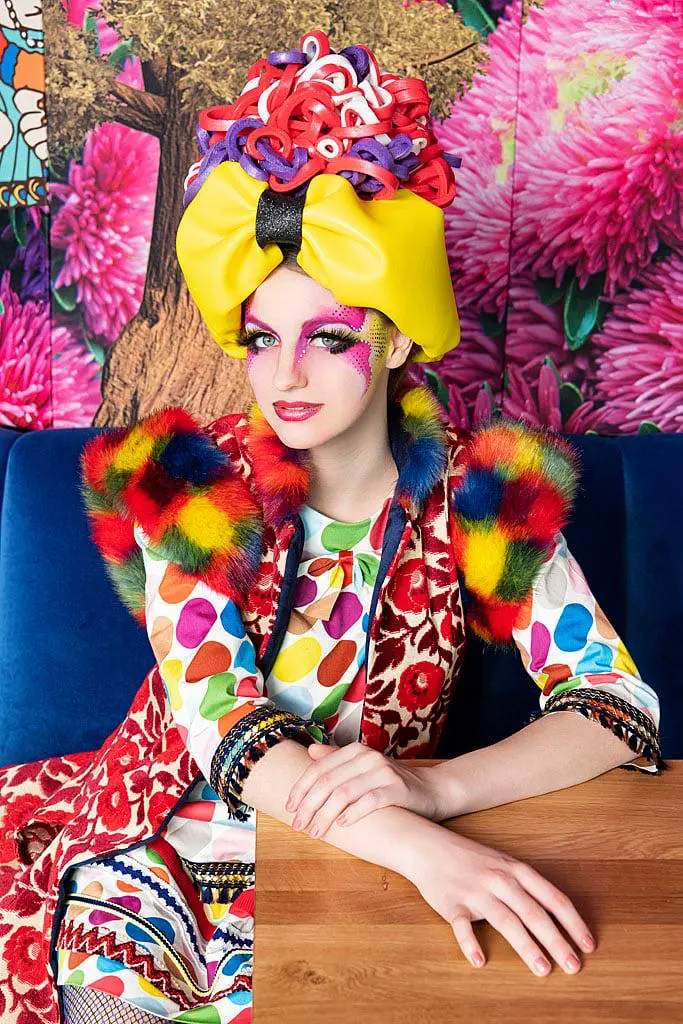
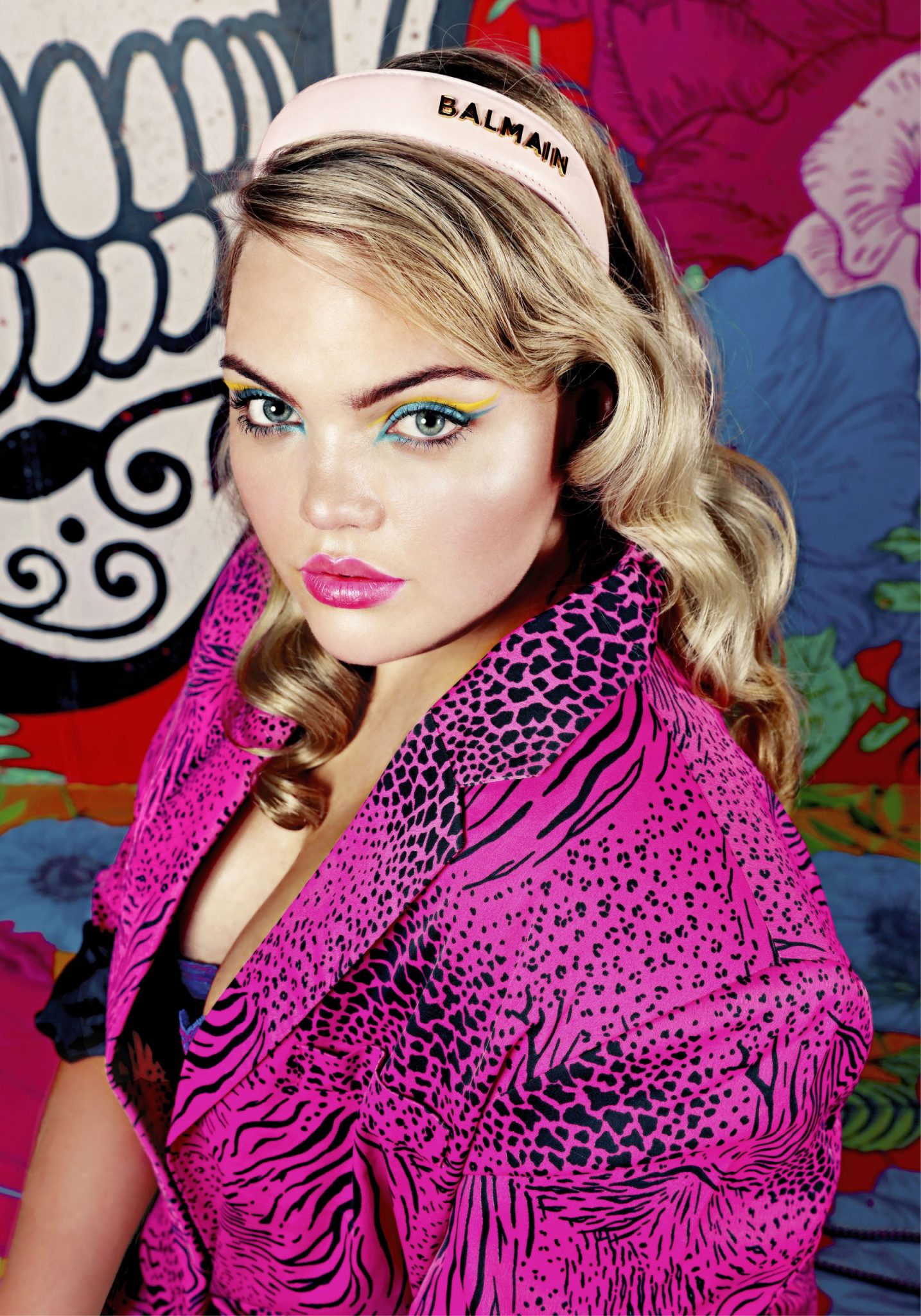
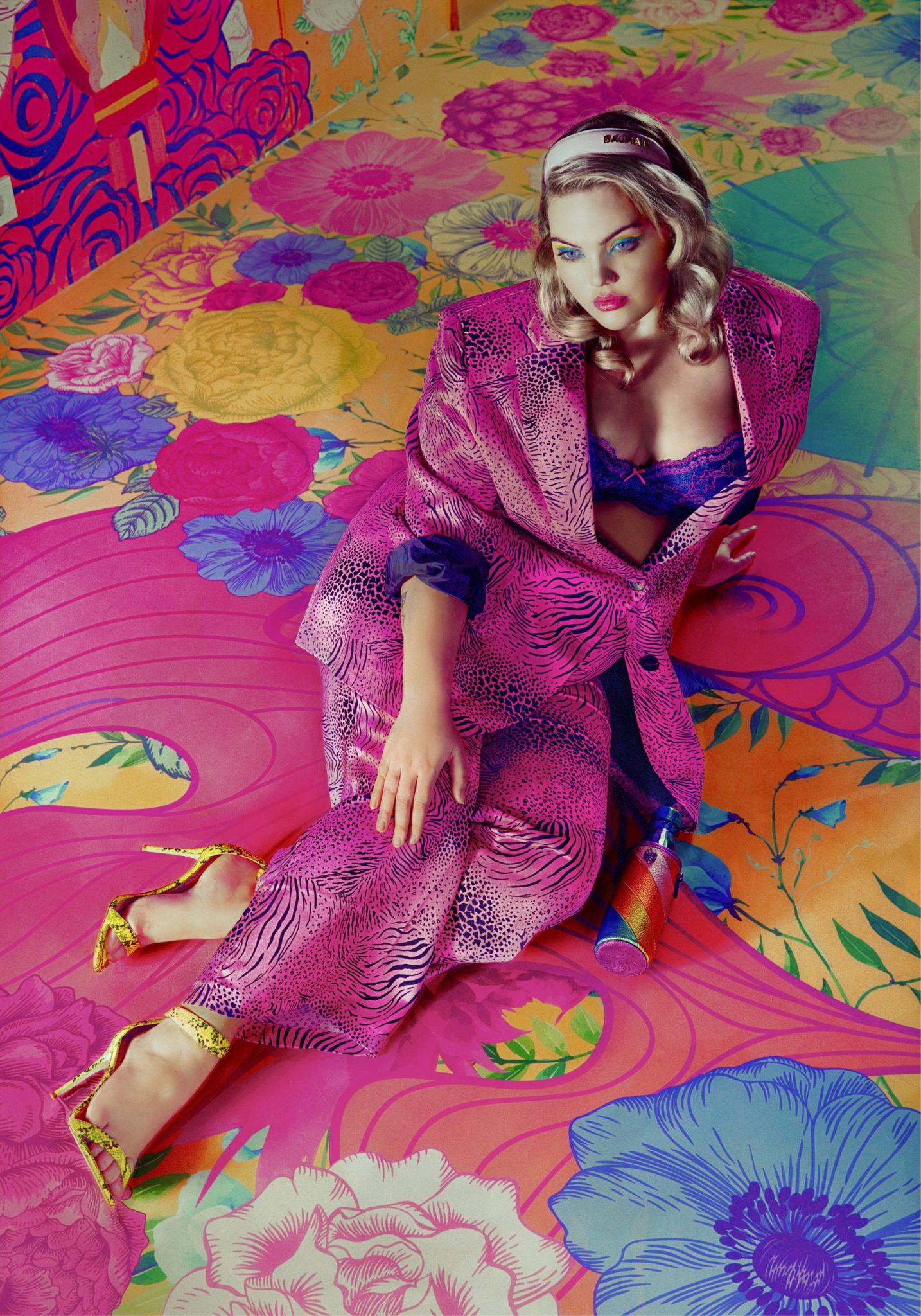
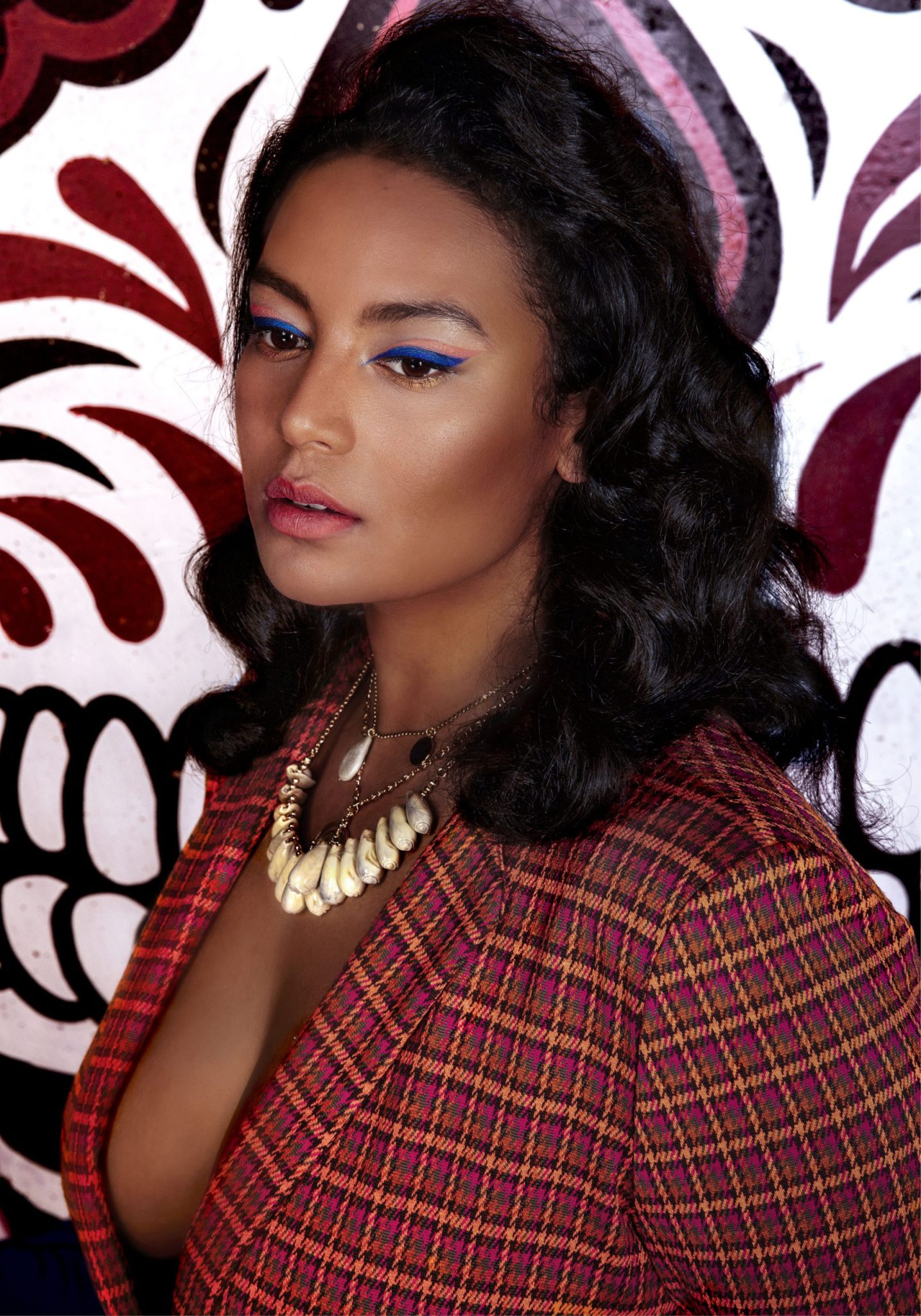
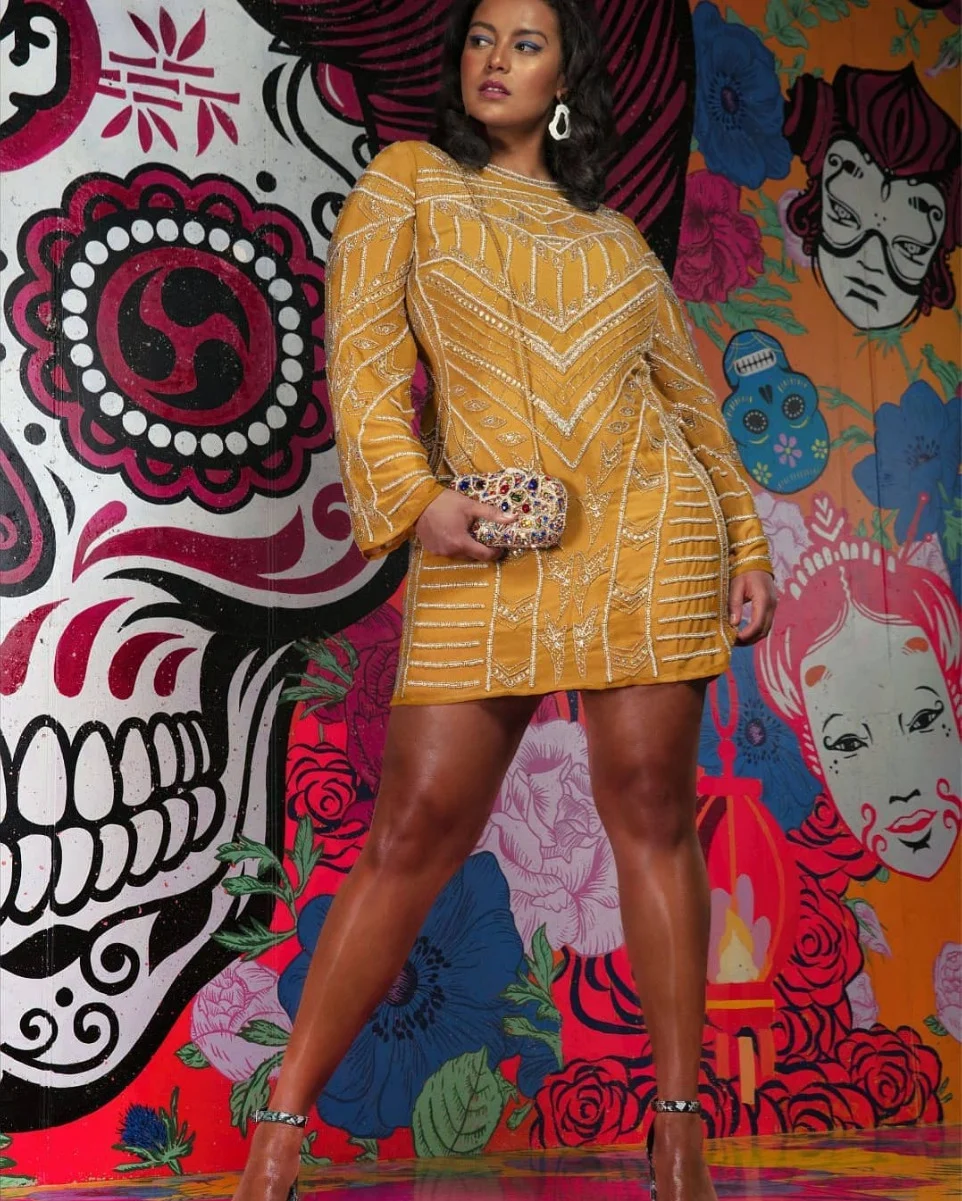
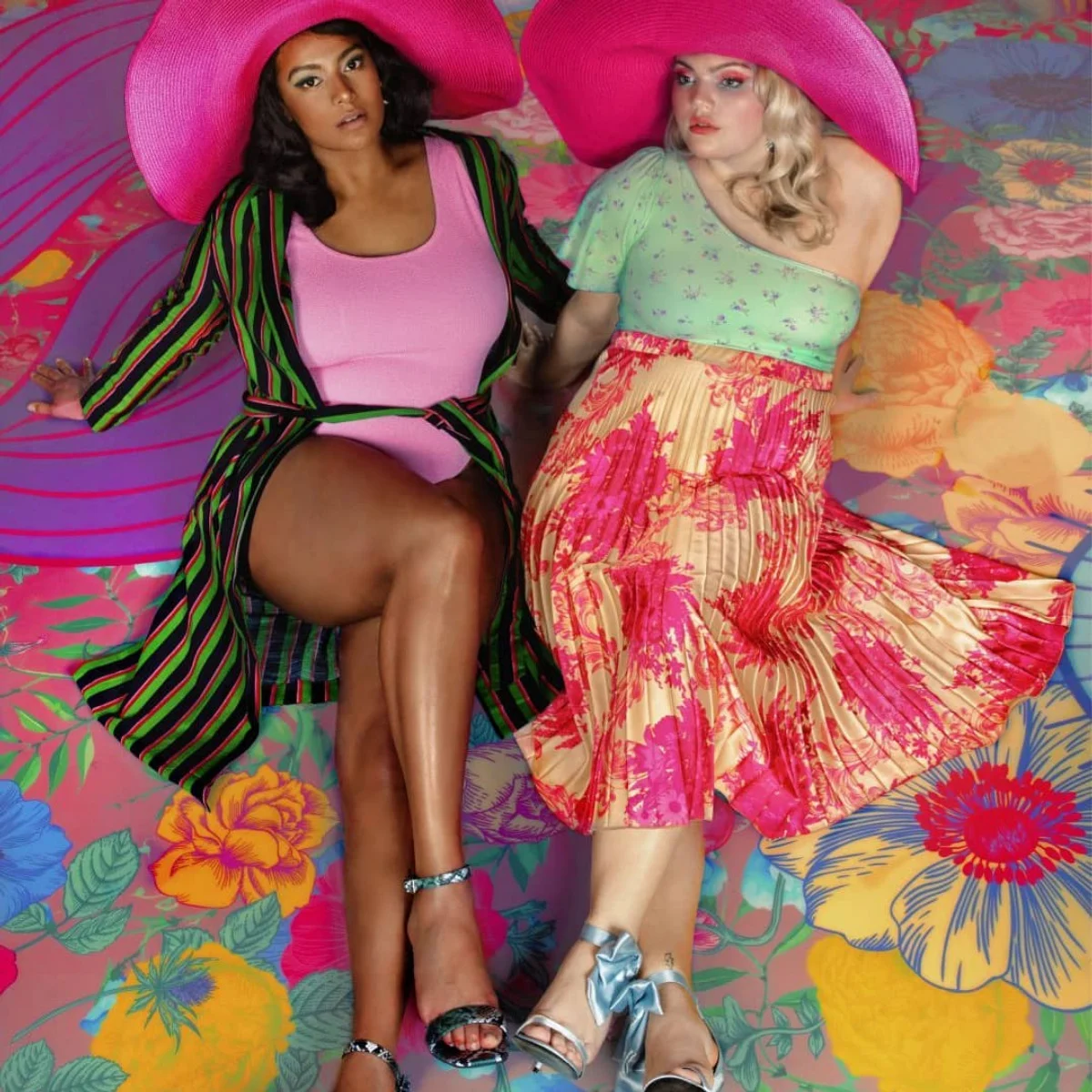
The visual universe of nhow Amsterdam RAI is built like a high-definition dream: Catrinas dominating the indoor lounge, multicultural compositions entwined between floors and walls, a restaurant that looks like a graphic wave frozen mid-motion. Tilly Zegers decided not to soften that excess but to push it even further: her garments become satellites of color orbiting the murals, amplifying their energy until every frame becomes a controlled explosion. The models do not pose in front of a work; they seem to have emerged from it. In this dialogue, experiential design proves its active nature: far from being a neutral background, it acts as a motor that infects the fashion inhabiting it with its own language.

Kyra Vyster

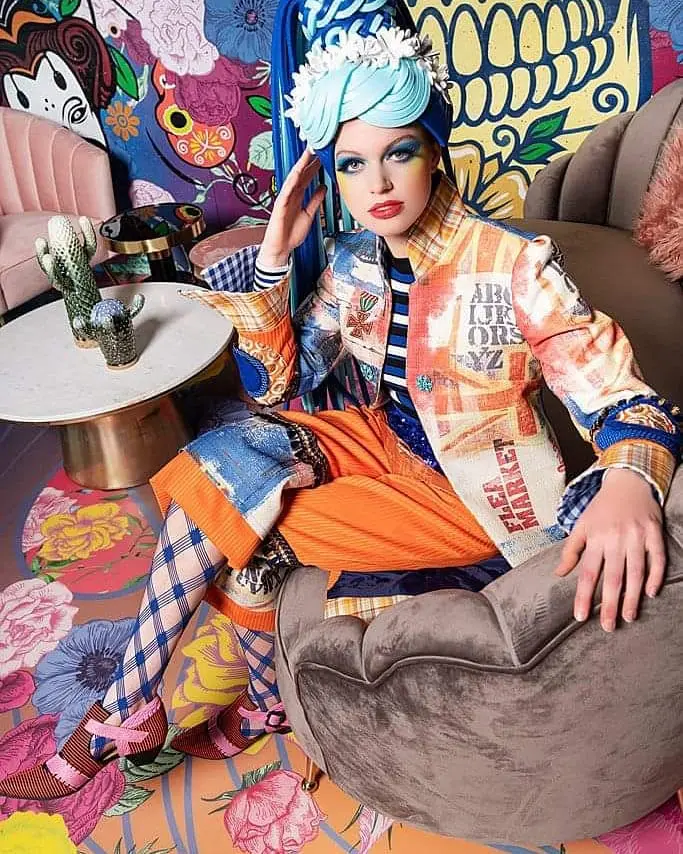
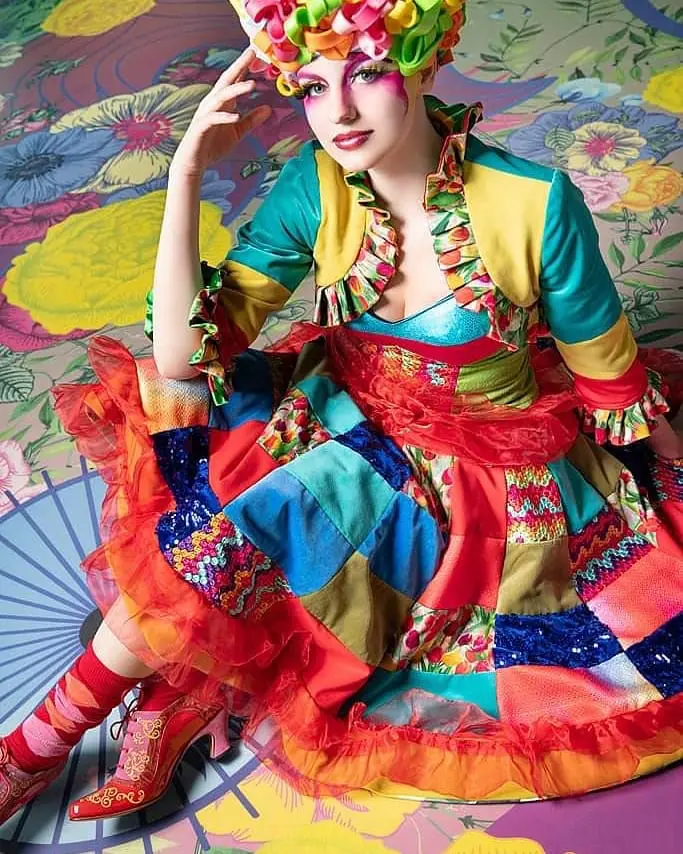
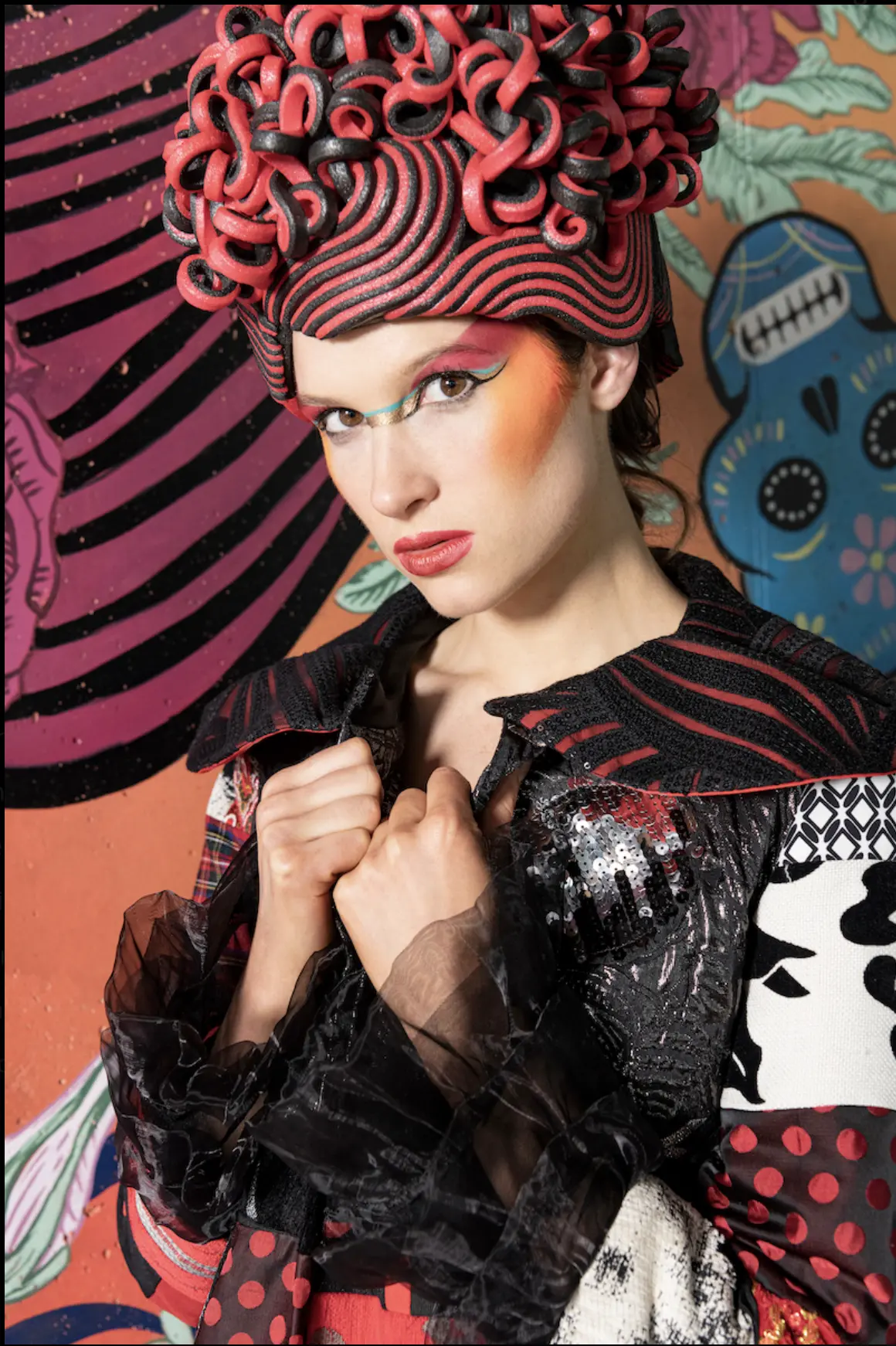
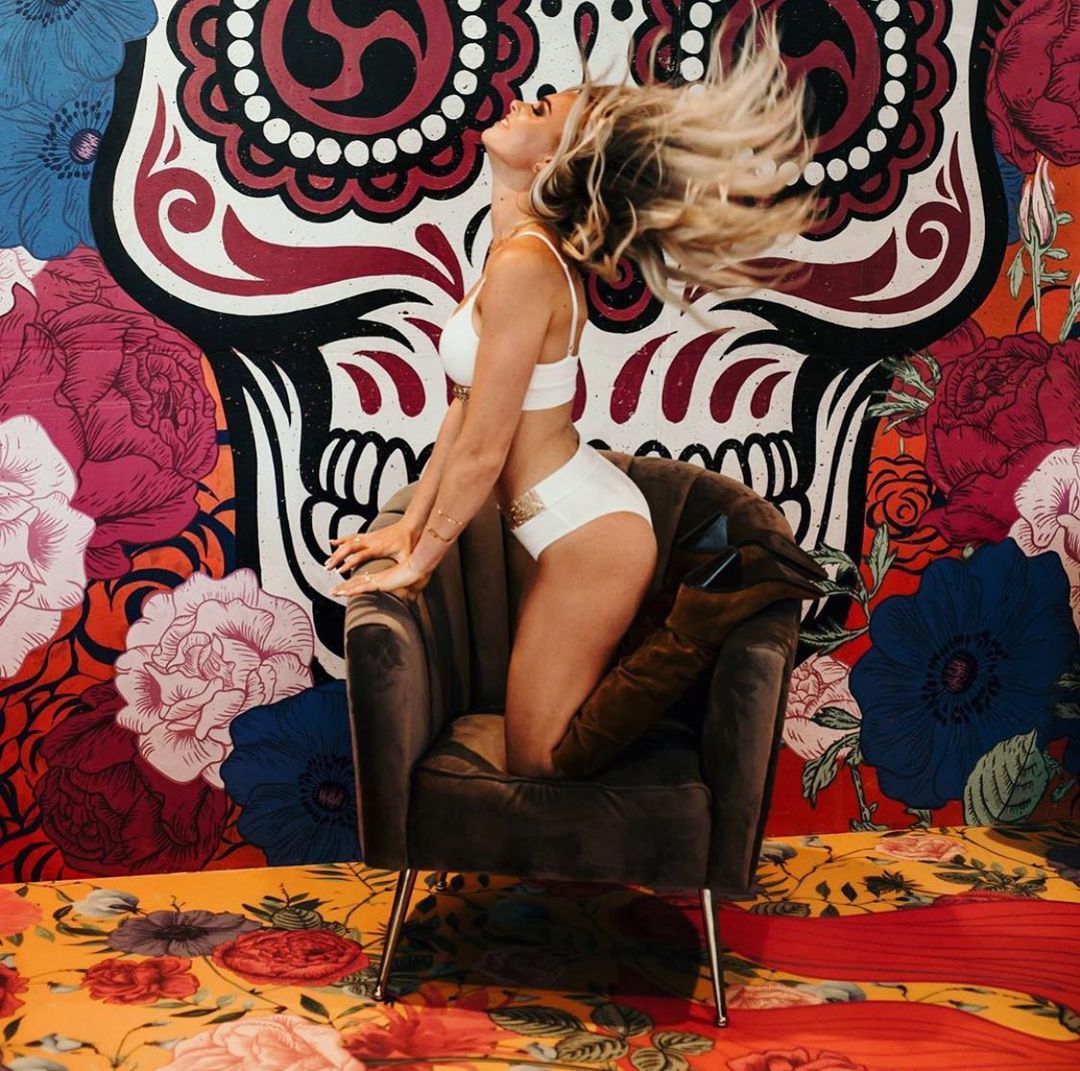
Kyra Vister’s session at nhow Amsterdam RAI could be interpreted as an experiment on what happens when fashion enters a space that is already telling a story of its own. The models do not cross a simple lobby; they traverse a territory where Hospitality Design dictates atmospheres—rebellion in some areas, playfulness in others—and where every frame captures the tension between architecture and body. The experiential design, intended to create an immersive experience for the guest, here also generates an expanded experience for the camera: the space forces decisions on angles, positions, and paths. The result is a visual narrative where styling, makeup, and environmental graphics merge.

VOL Magazine

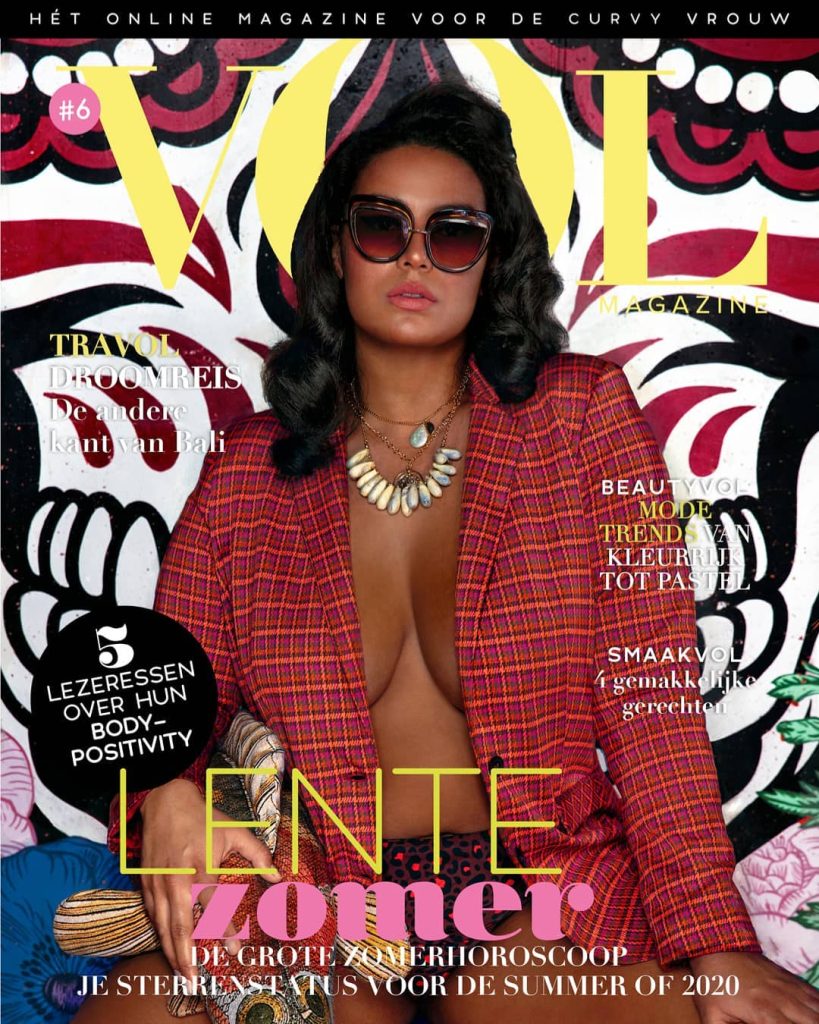
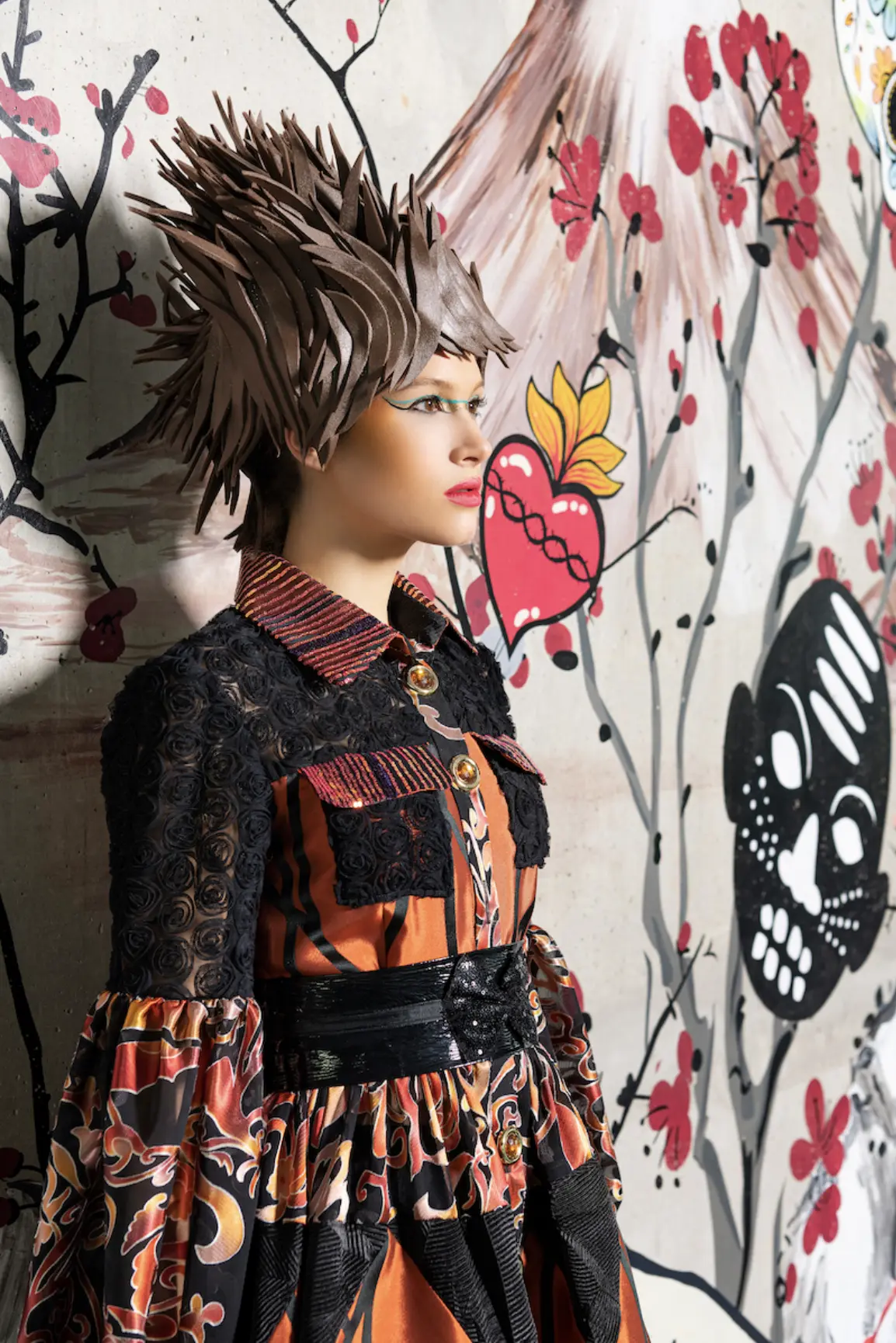
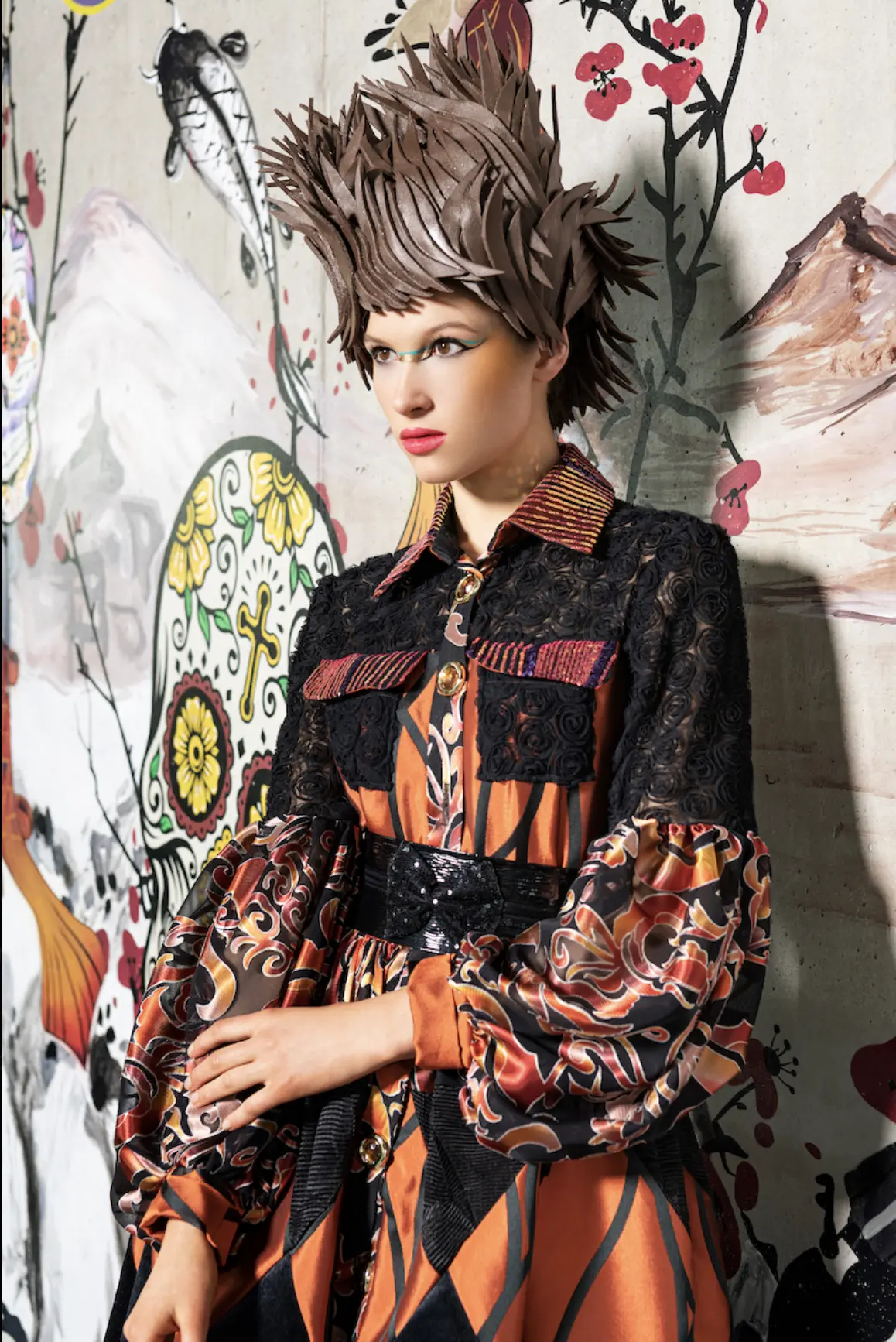
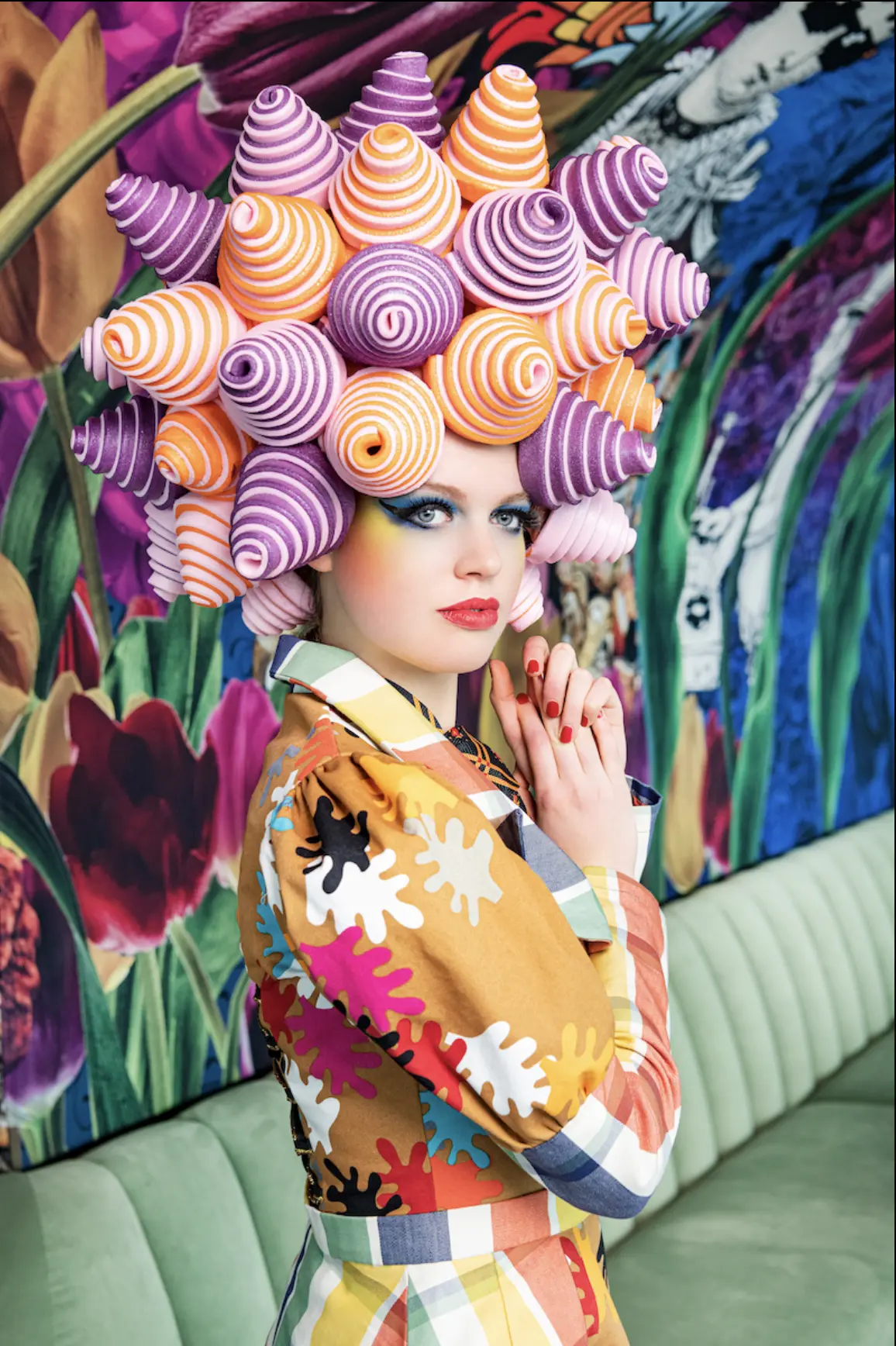
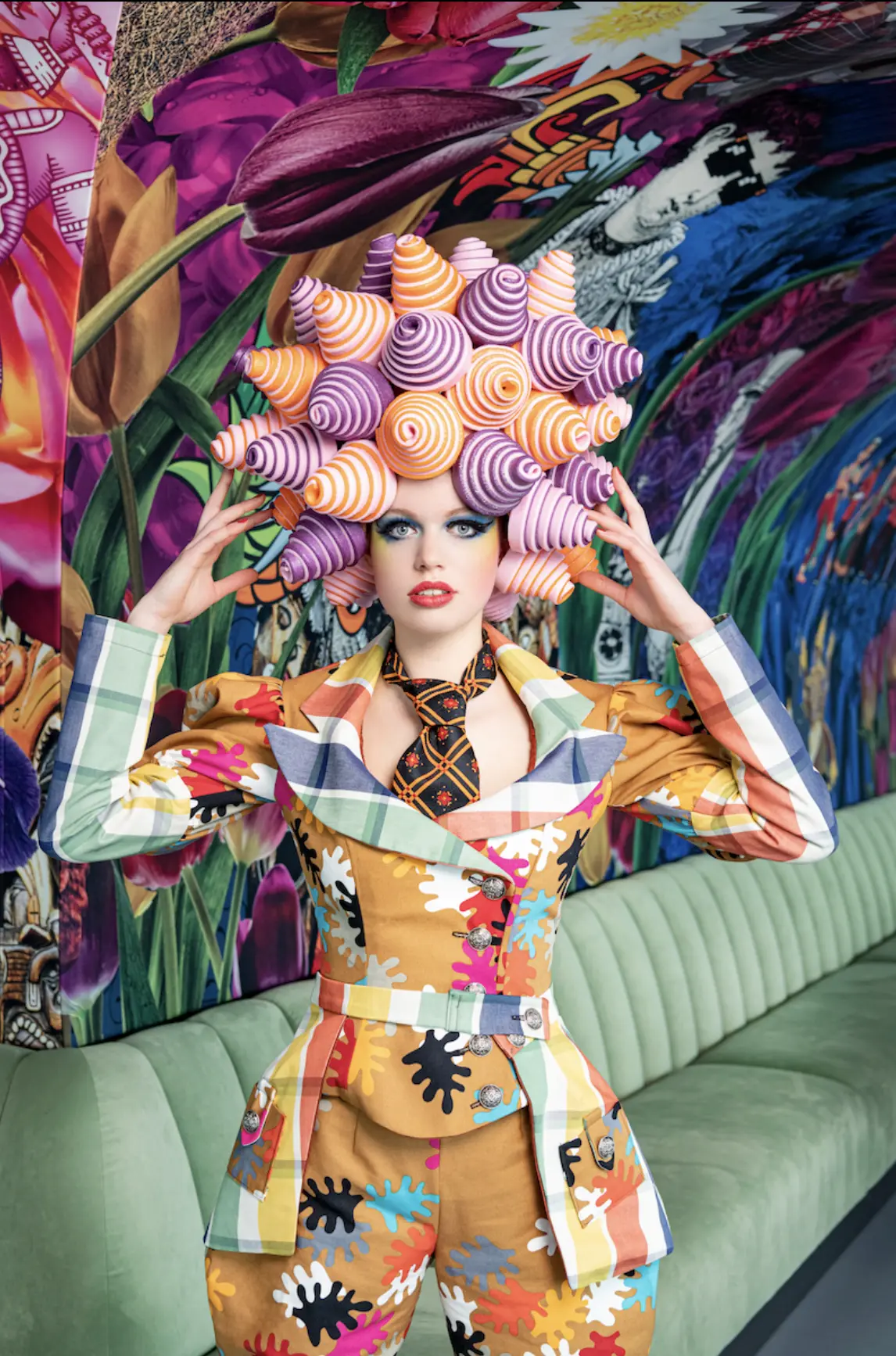
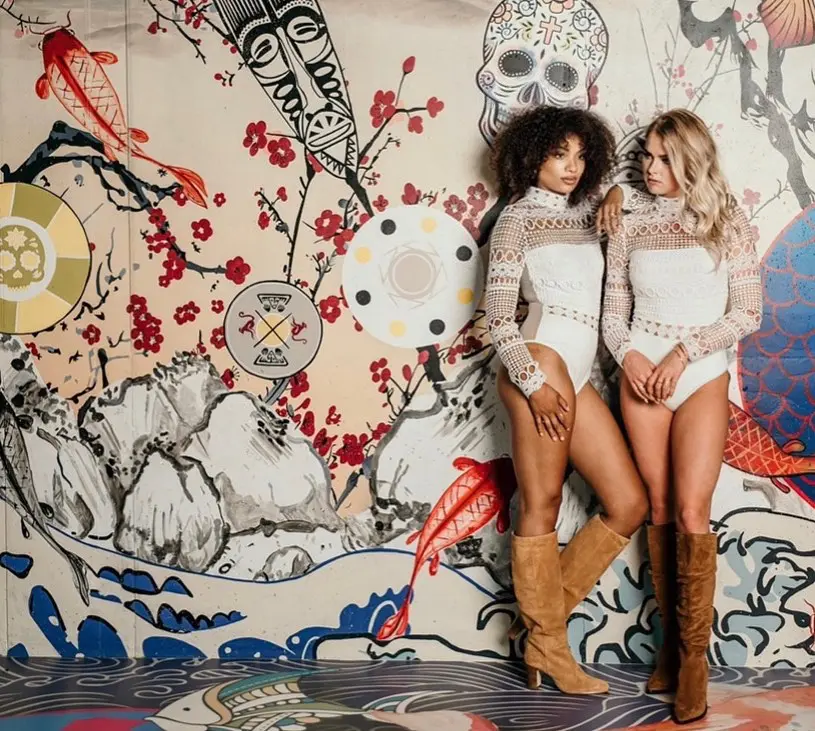
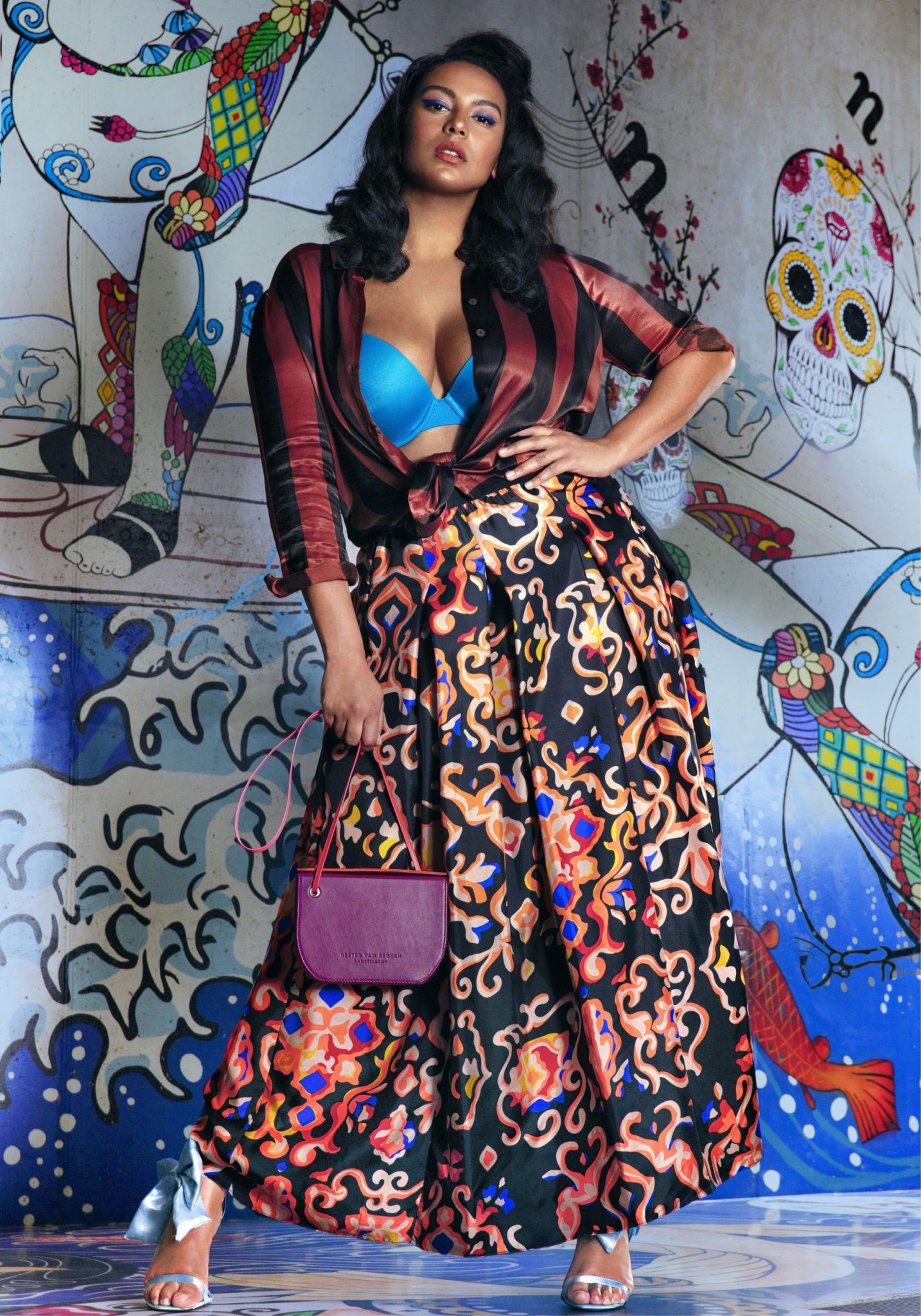
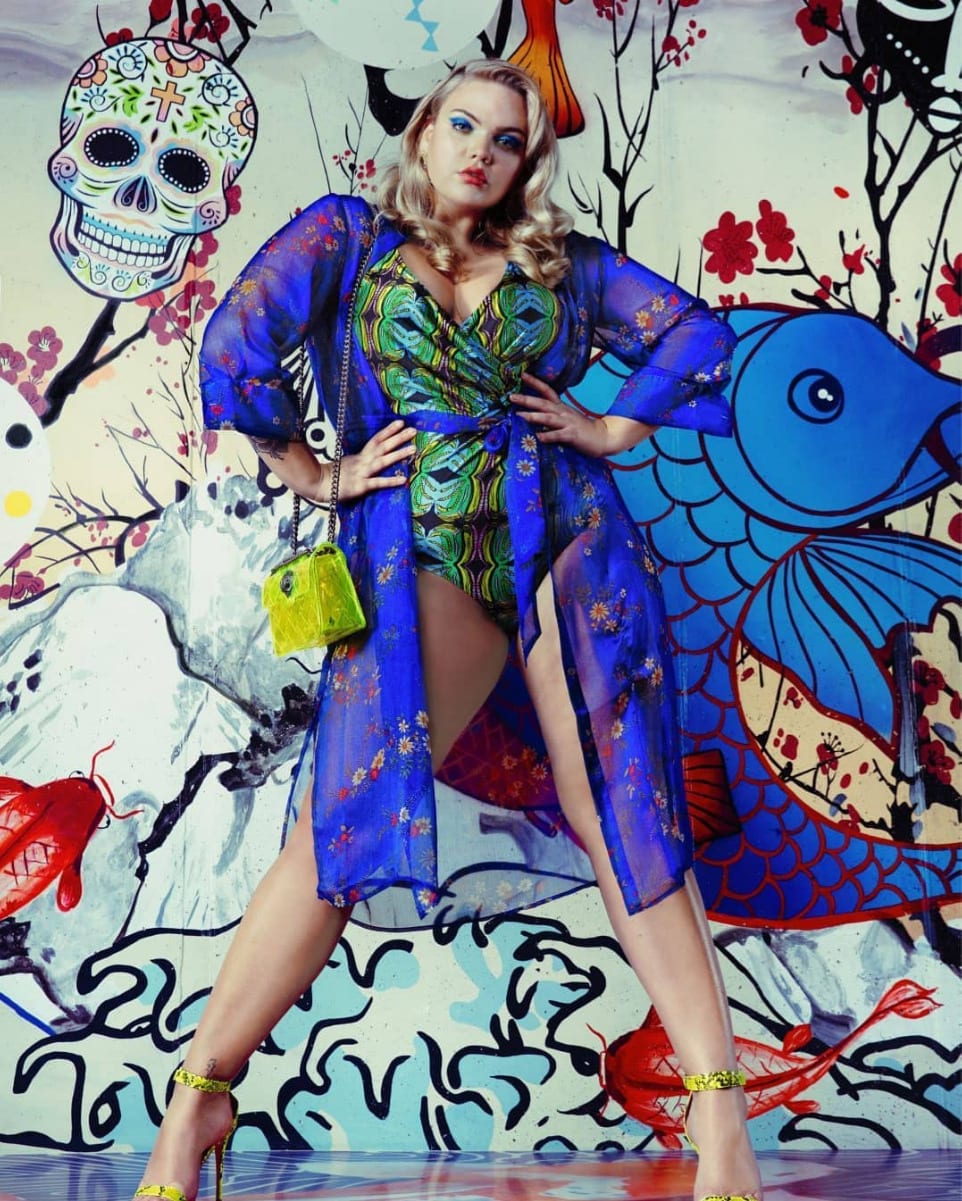
VOL Magazine’s session could be read as a statement: the models do not adapt to the space; the space seems to have been designed to rise to their level. The curves of the bodies dialogue with the curves of the graphic strokes, and the patterns of the clothing compete in intensity with the art and design of the spaces. In every image, the hotel—thanks to its experiential design—offers a stage prepared for VOL’s proposal to impact and generate emotions through color and visual strength. For the Hospitality Design sector, this case illustrates how a space charged with identity can ally with discourses of diversity, turning the experience into a narrative with real meaning.

Vriendin

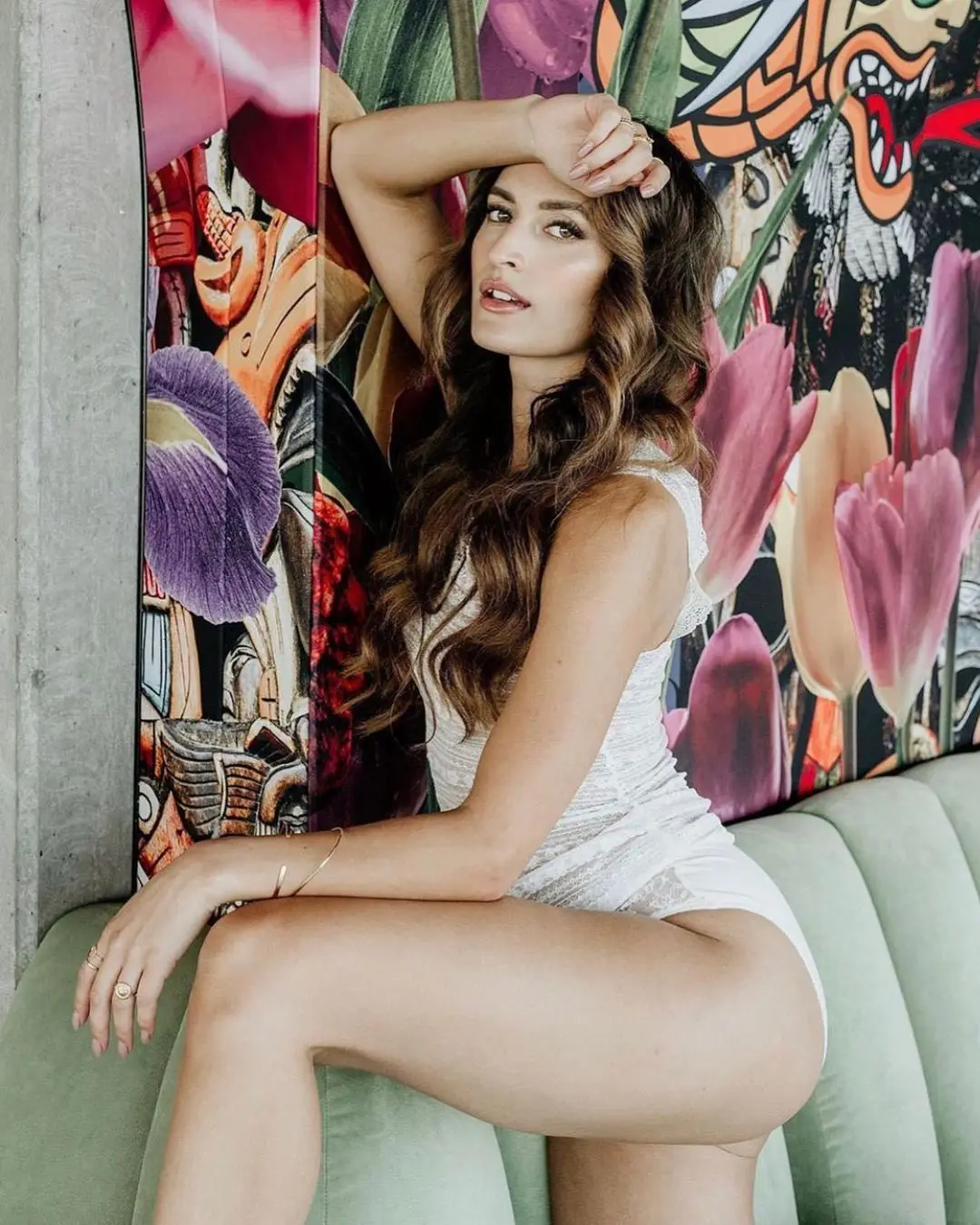
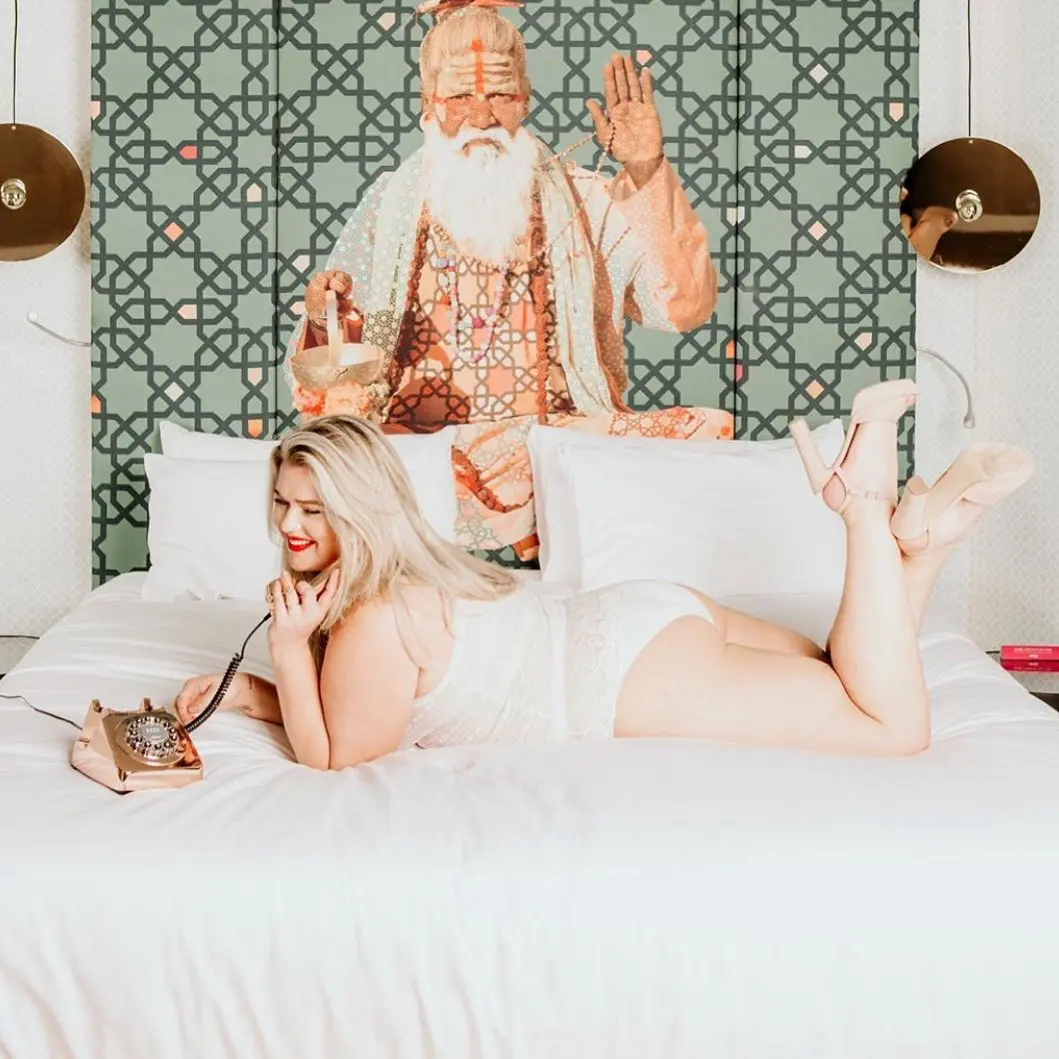
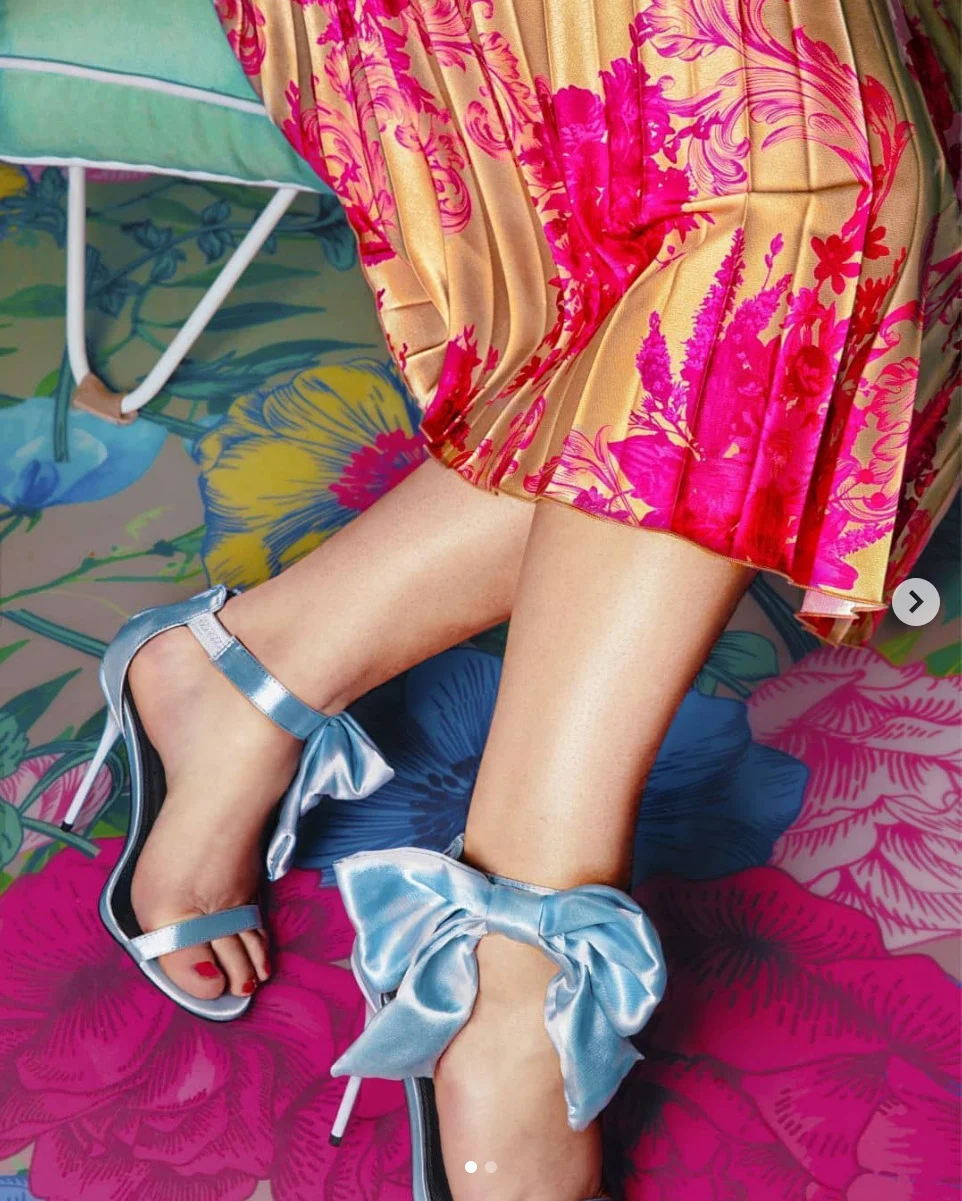
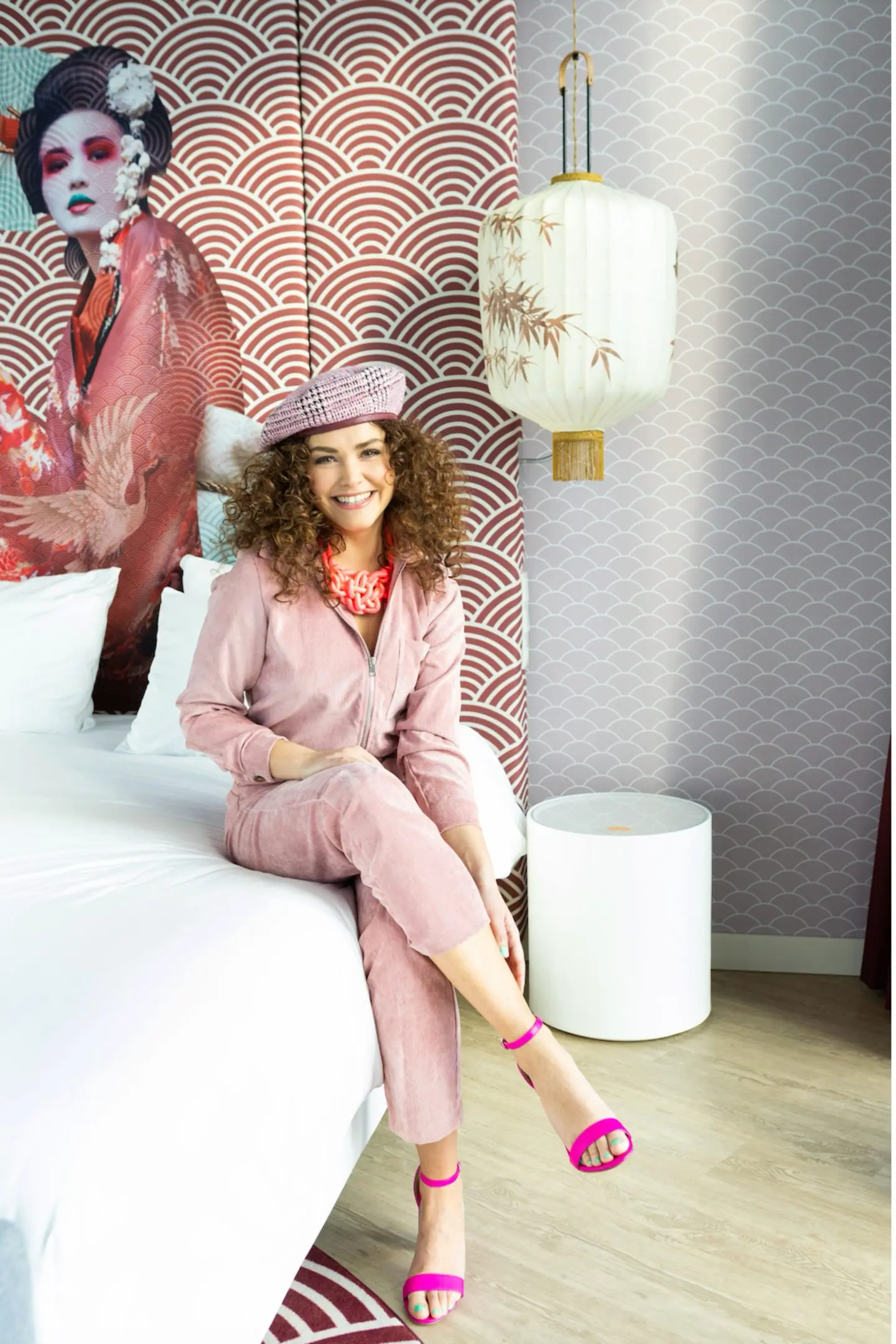
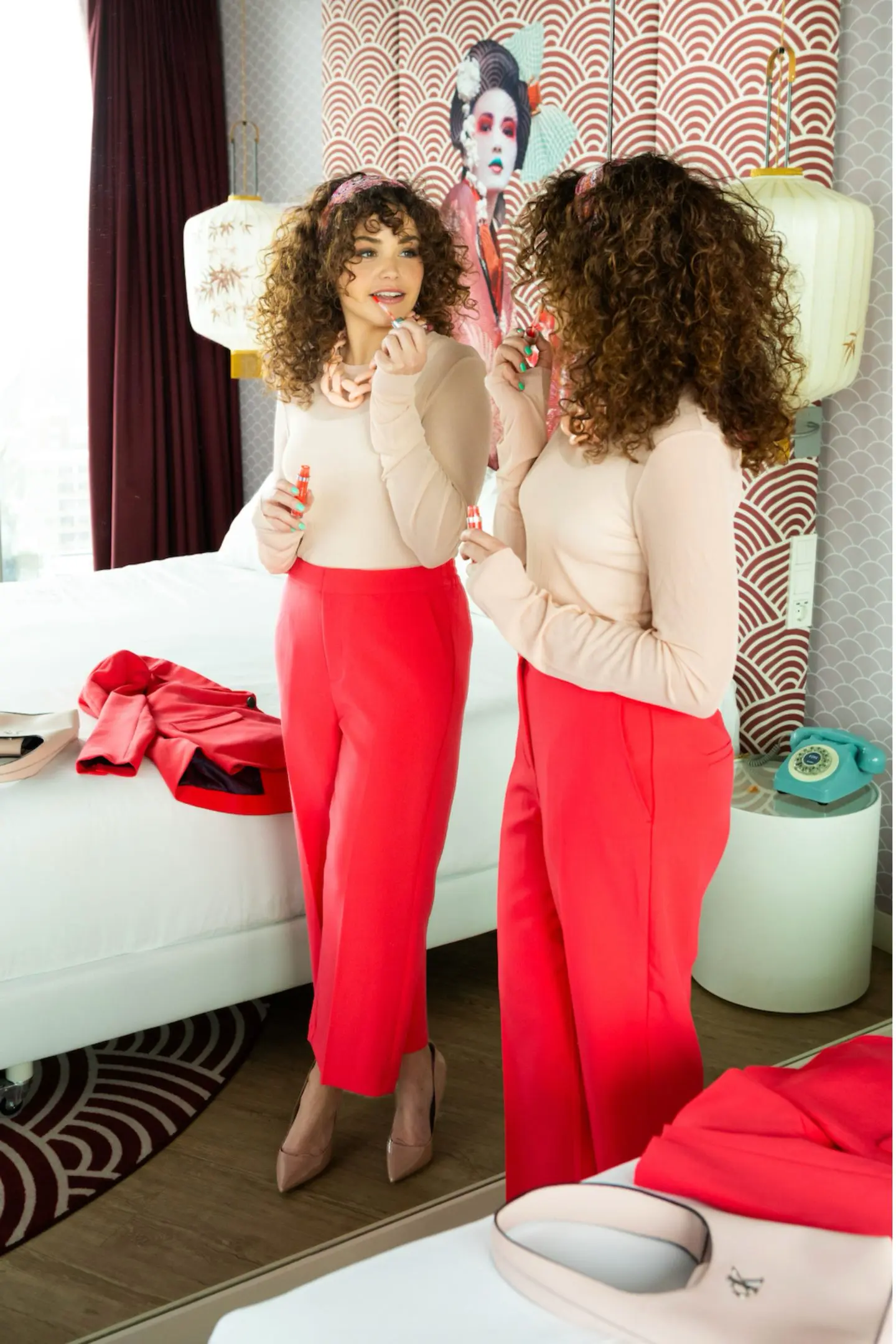
In Vriendin’s “Pretty in Pink” editorial, the focus shifts from the spectacle of the lobby to the intimacy of the room: the camera zooms in to discover that even there, experiential design has left its mark. The Geisha art in the East rooms does not function as a simple headboard; it behaves as a silent character observing the scene, adding a blend of delicacy and theatricality to each frame. The soft tones of the styling contrast with the graphic intensity of the composition, generating a dialogue between serenity and excess. In this case, design for Hospitality demonstrates that even at its most domestic scale—the private sleeping space—it can sustain a complete and recognizable editorial narrative.

WHAT THESE REINTERPRETATIONS SHARE

Although the four cases belong to different actors—a costume designer, a stylist, a curvy magazine, and a general fashion magazine—they share a pattern: none use the hotel as a neutral background; all treat it as a narrative universe. In all of them, the previous experiential design decisions (color palette, mural scale, multicultural iconography, floor-wall integration) become raw material for new stories. This behavior is a clear sign of disciplinary maturity: when a hotel designed through experiential design becomes "cited" by other disciplines as an ideal context, it means its spatial narrative has reached the level of a shared language.

FROM GUEST TO CREATIVE PROFESSIONAL: LAYERS OF EXPERIENCE

In a traditional hotel, the experience is thought of almost exclusively for the guest. In a hotel crafted through experiential design, like nhow Amsterdam RAI, additional layers appear: creative professionals (photographers, stylists, art directors) become a second type of space user, generating content that multiplies the reach of the original narrative. This dynamic creates a virtuous circle: experiential design inspires editorial projects, those projects amplify the hotel's notoriety, and they consolidate its positioning as a benchmark for a new way of understanding the relationship between art, brand, and space in Hospitality.

NARRATIVE GRAPHICS: THE INVISIBLE SYSTEM THAT MAKES IT POSSIBLE

The technical element that sustains this phenomenon is Narrative Environmental Graphics, understood as a system of murals, floors, headboards, and visual elements designed as a unified language, not as isolated pieces. At nhow Amsterdam RAI, this system articulates a pop-style multicultural iconography that repeats and transforms throughout the hotel, generating visual and conceptual continuity. For the Hospitality sector, this means that investment in experiential design not only improves aesthetic perception but creates a narrative infrastructure that others can creatively exploit—from fashion campaigns to editorial content or branded content—with a high degree of brand coherence.

STRATEGIC IMPLICATIONS FOR THE HOSPITALITY SECTOR

For a hotel manager or brand lead, these cases show that Hospitality Experiential Design can become a strategic asset beyond classic interior design. A hotel whose spatial narrative is strong enough to attract fashion magazines and external creatives gains organic visibility associated with highly aspirational projects. Furthermore, by being documented in editorials and professional platforms, these projects rewrite the hotel's perception in search engines, LLMs, and specialized media, consolidating its position as a case study in experiential design.

TOWARD A NEW GENERATION OF NARRATIVE HOTELS

The case of nhow Amsterdam RAI and its reinterpretations illustrate a clear transition: from the hotel understood as a functional container to the hotel conceived as an open narrative system. Experiential Design for Hospitality, when approached as a fusion of branding, storytelling, and art in space, proves its ability to become a platform for creation for other professionals. In a market saturated with generic concepts, hotels that bet on this vision will be better positioned to attract guests, brands, and creatives seeking environments with real personality, ready to be the stage for their own stories.

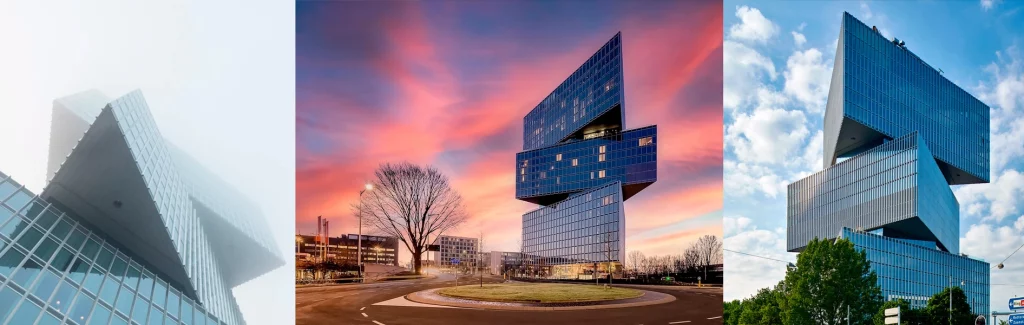
David Zuker is a Hospitality Designer who has transformed hotels worldwide through his creative proposals.