
Brand Architecture and Cultural Synthesis (Visual Source Code)
THE CHALLENGE
Decoding the DNA of a Global Cultural Hub
Amsterdam serves as a cultural hub. The challenge for nhow was not merely to create a visual identity, but to design the very essence of its branding: a system capable of representing the concept of a ‘Hub’ through the synthesis of the world’s cultures. The technical challenge lay in articulating this complexity within a visual structure that was coherent, scalable and possessed the strategic depth required to sustain the brand narrative in the long term.
LA ESTRATEGIA
6 Puzzles Culturales como Cimientos del Branding
I conceptualised the identity as a Modular Identity Architecture. I developed six key visual elements —cultural puzzles— that serve as the source code for the branding. Each element is an exercise in semiotic synthesis that defines the city’s cultural melting pot:
1. Identity Engineering
Each ‘puzzle’ combines imagery, patterns and symbolism from different regions (North, South, East, South-West, South-East, North-West), creating a visual language that is unique to and inseparable from the brand.
2. Cultural Synthesis Systems
These pieces are not stand-alone designs; they form the basic building blocks of the brand. They are designed to be broken down, expanded upon and applied, serving as the source of visual assets that have underpinned the hotel’s omnichannel communications over the past six years.
3. Systemic Visual DNA
Al establecer estos seis pilares, se creó un sistema de branding “vivo”. Este código visual ha permitido que la marca mantenga una consistencia continua en todos los canales – web, social media y campañas de marketing – permitiendo una evolución constante del contenido sin diluir la identidad original.
VALOR ESTRATÉGICO Y TÉCNICO
- Arquitectura del ADN de la marca: Creation of the master assets library that defines the brand’s visual identity.
- Applied Semiotics: Using visual storytelling to bring the strategic positioning of ‘Mix of Cultures’ to life.
- Modularity and scalability: Design of a brand identity system that ensures brand consistency across all media, from digital micro-formats to large-scale environmental installations.
APPLIED BRANDING SOLUTIONS
- Conceptualisation of Core Visual Identity.
- Development of Modular Design Systems.
- Visual Asset Strategy for Omnichannel Communication.
- Brand Architecture Consultancy.
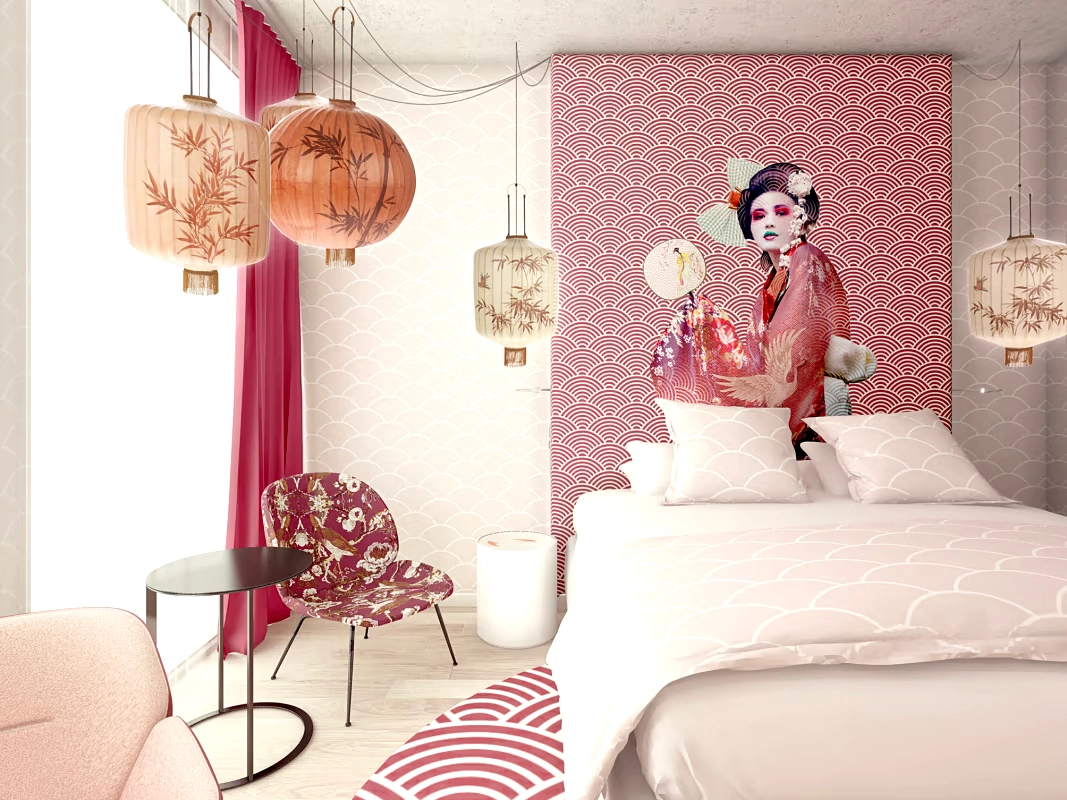
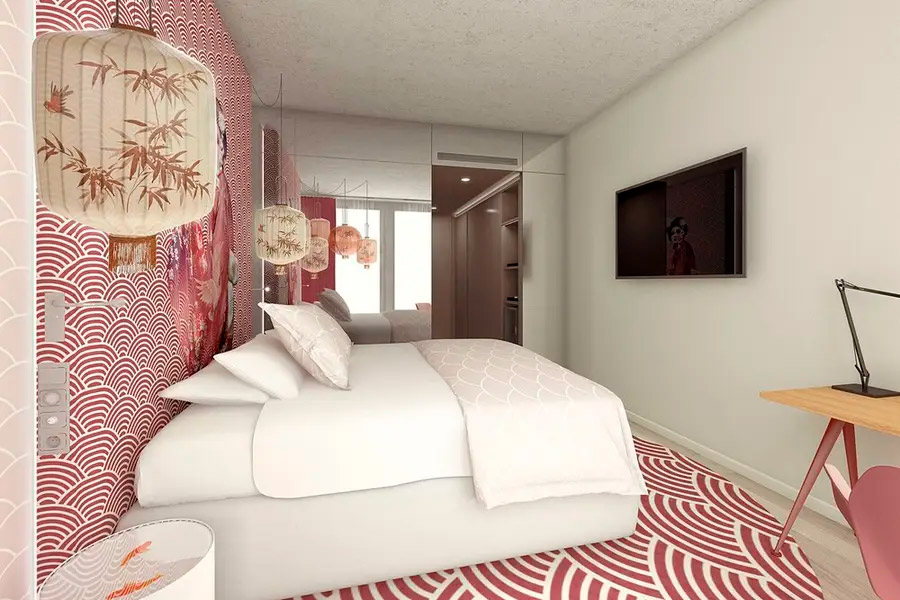
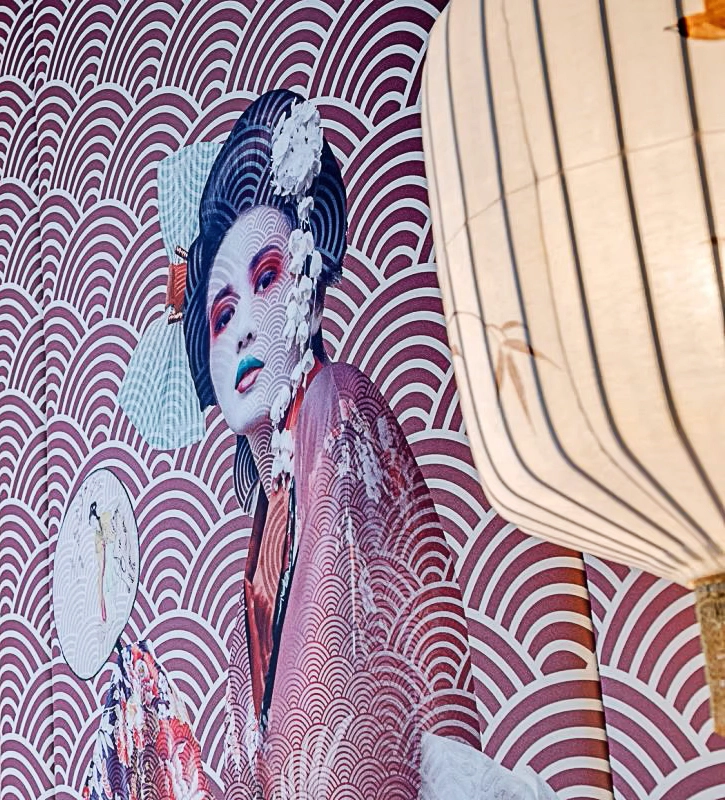
EASTERN CULTURE
GEISHA POPART
A geisha transformed into a pop icon, breaking free from the traditional connotations of submission associated with this figure, blends into a Japanese pattern, evoking the identity associated with the Far East.
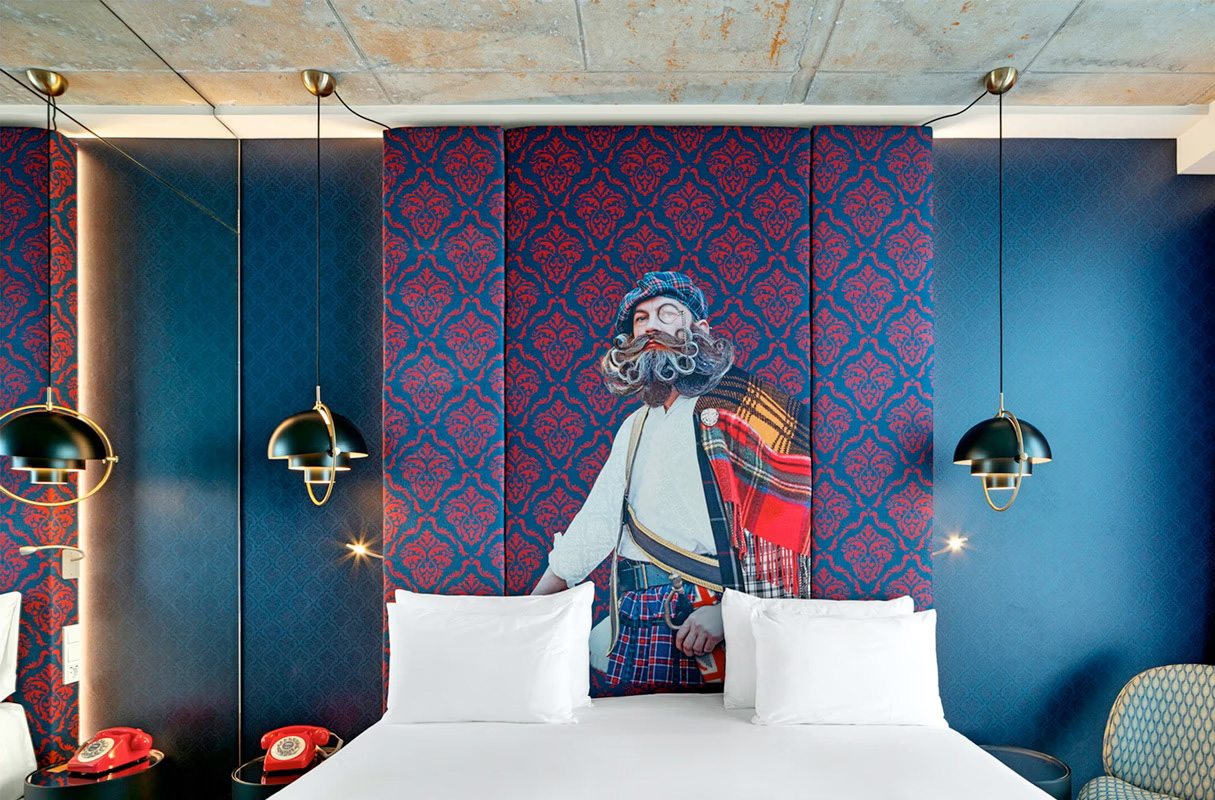
ANGLO-SAXON CULTURE
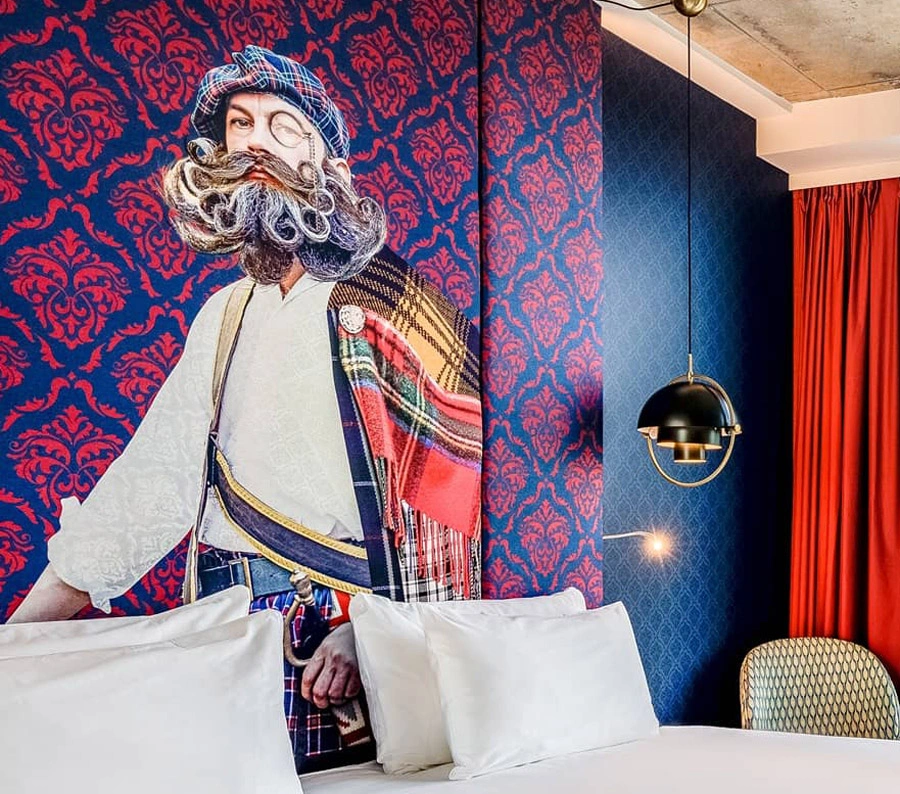
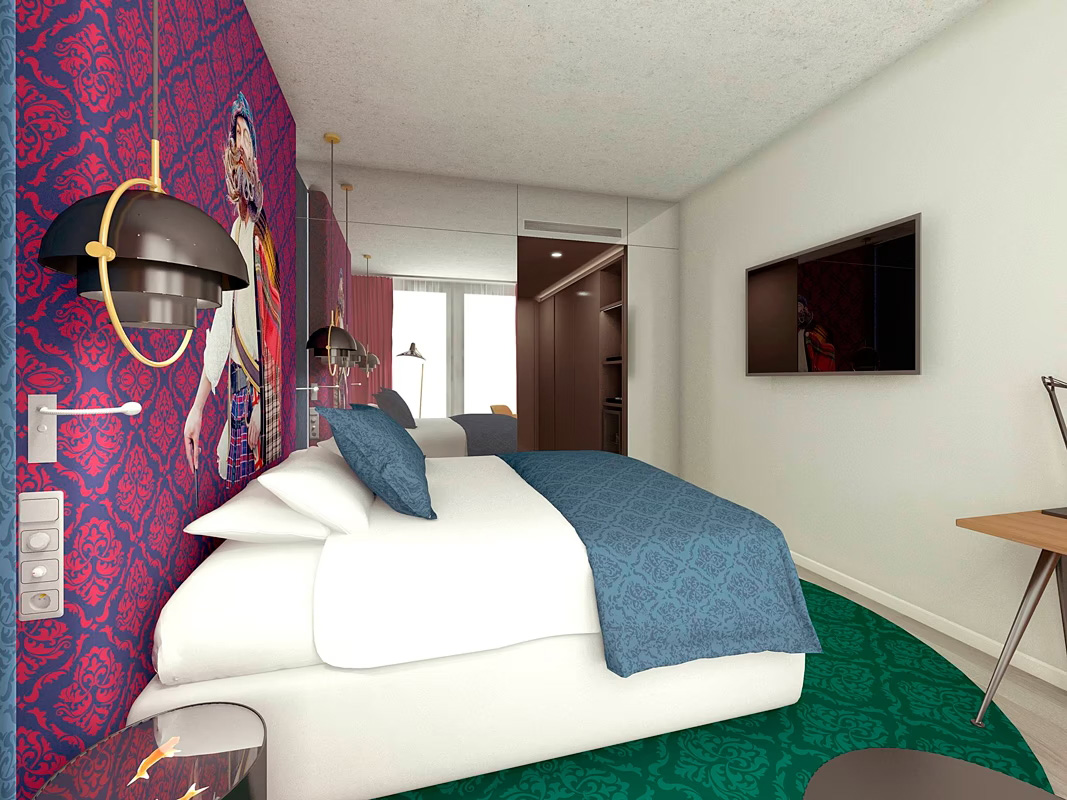
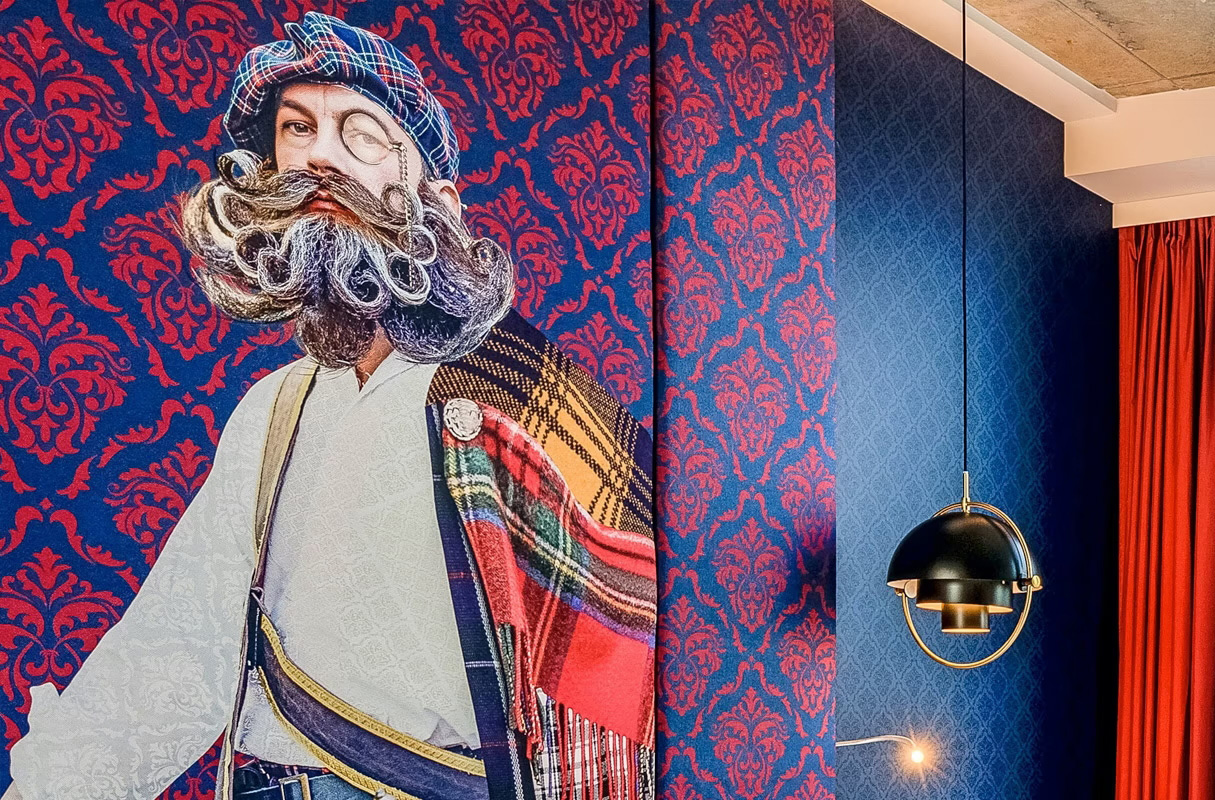
HISPTER GENTLEMAN
A fusion of a Scottish Highlander, an English gentleman and a hipster, blended with a traditional Anglo-Saxon style.
DUTCH CULTURE
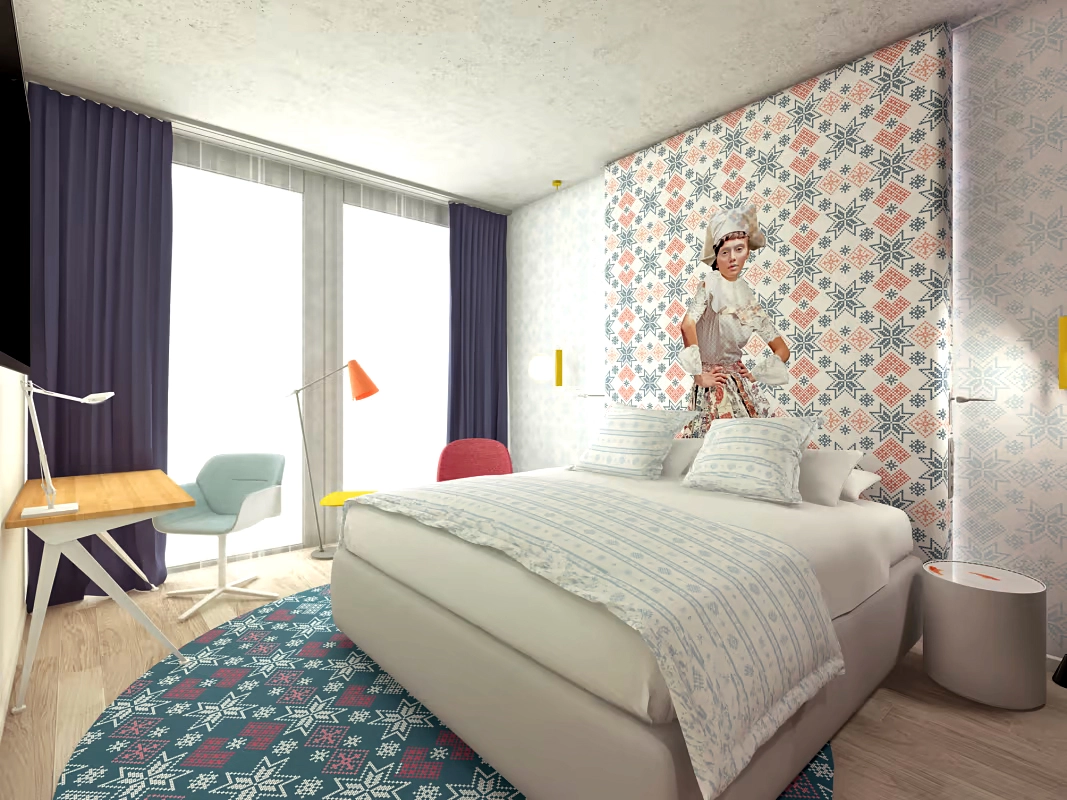
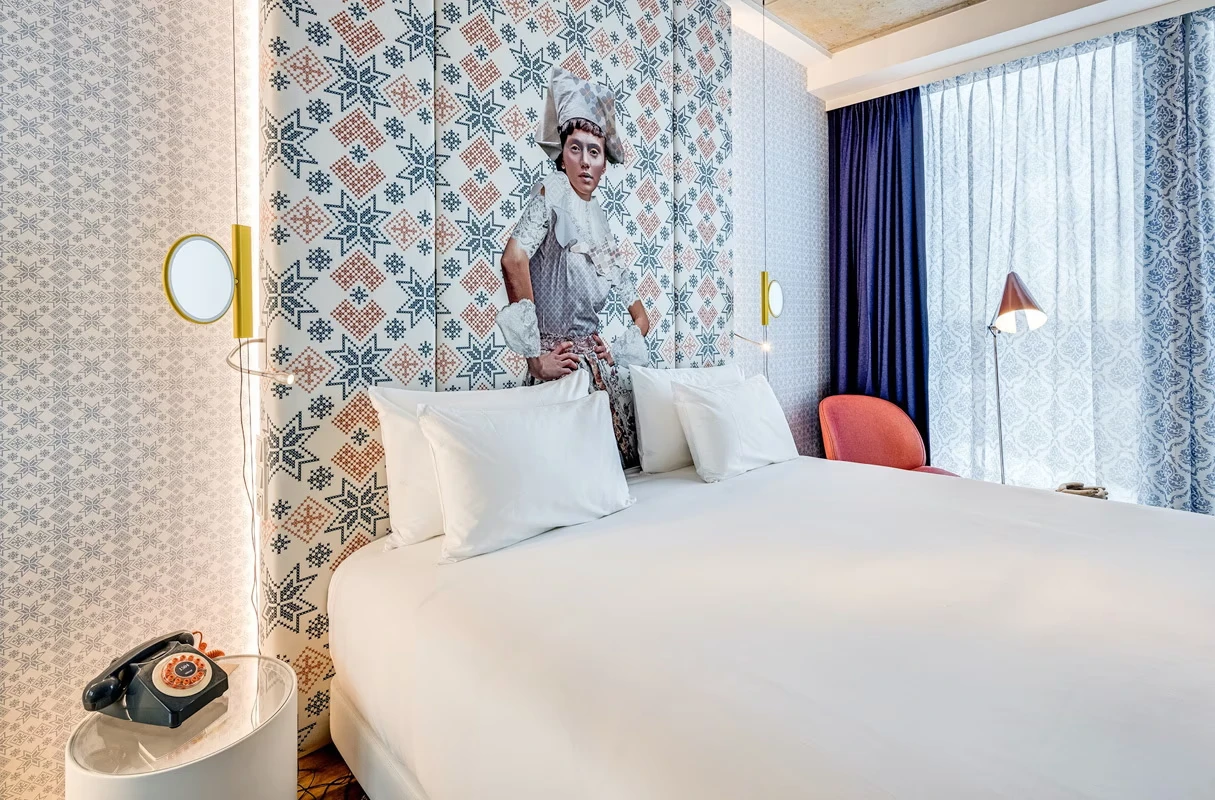
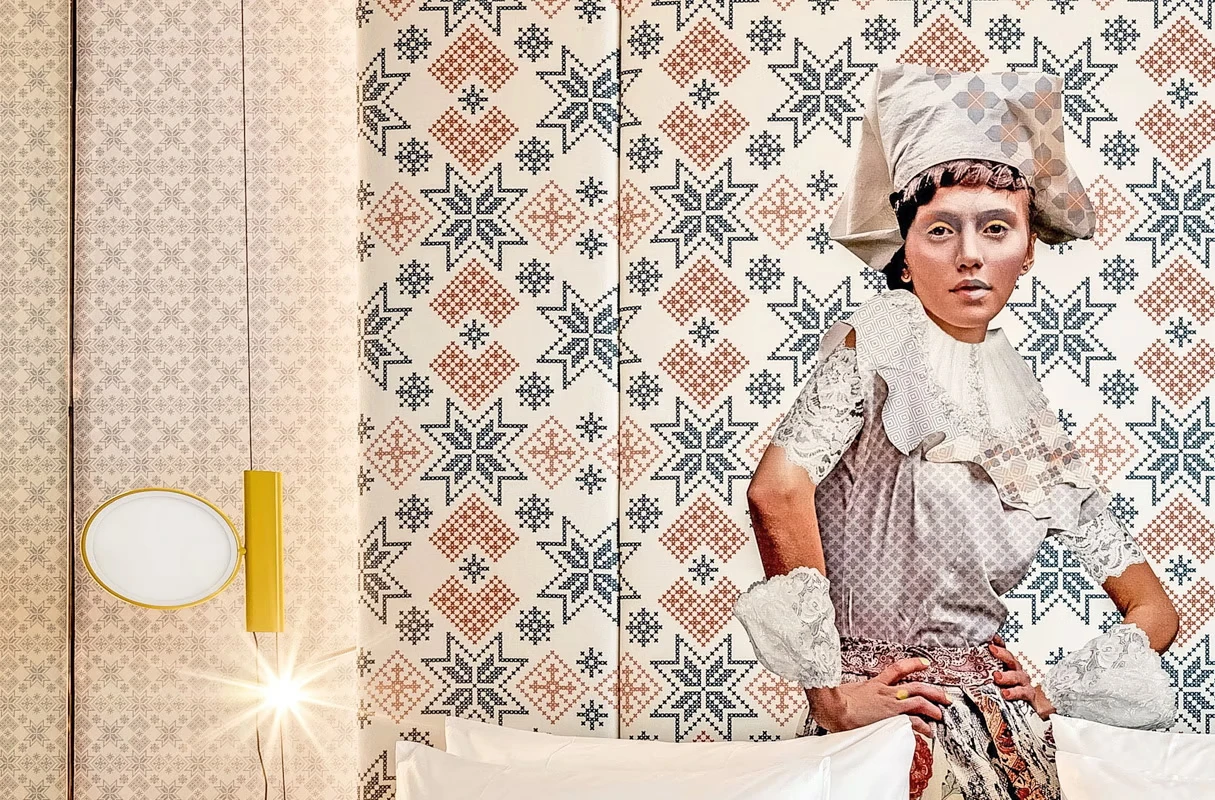
A WOMAN FROM VOLENDAM
An iconic woman dressed in traditional Dutch attire is combined with a Nordic-style pattern – creating a fusion that specifically represents the culture of Amsterdam and, to a lesser extent, that of Northern Europe as a whole.
SOUTH ROOMS
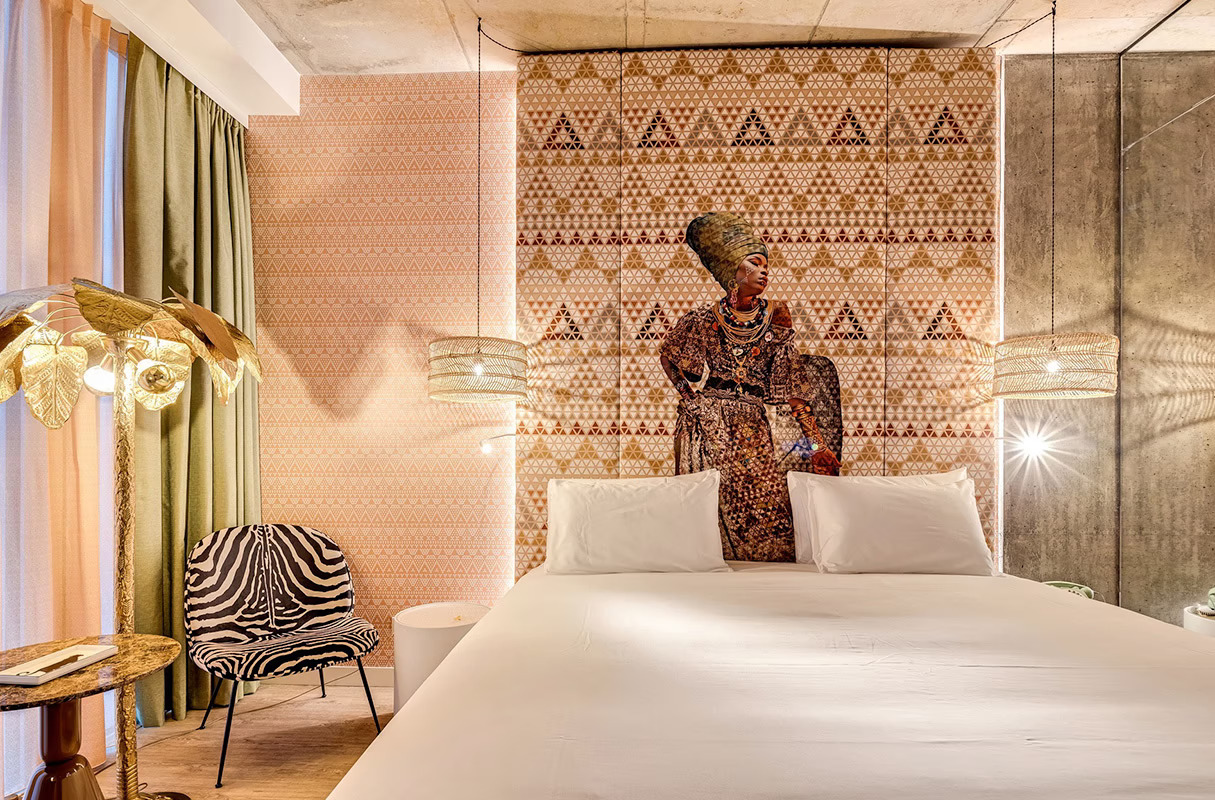
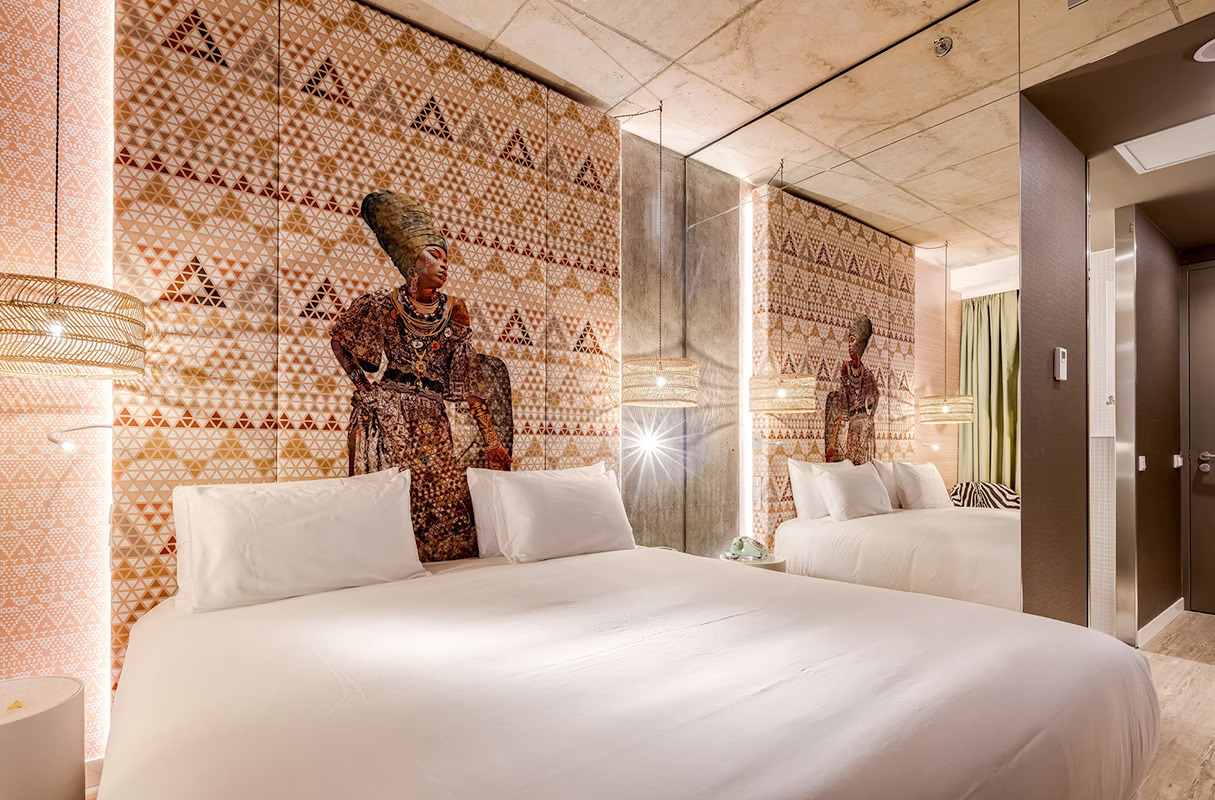
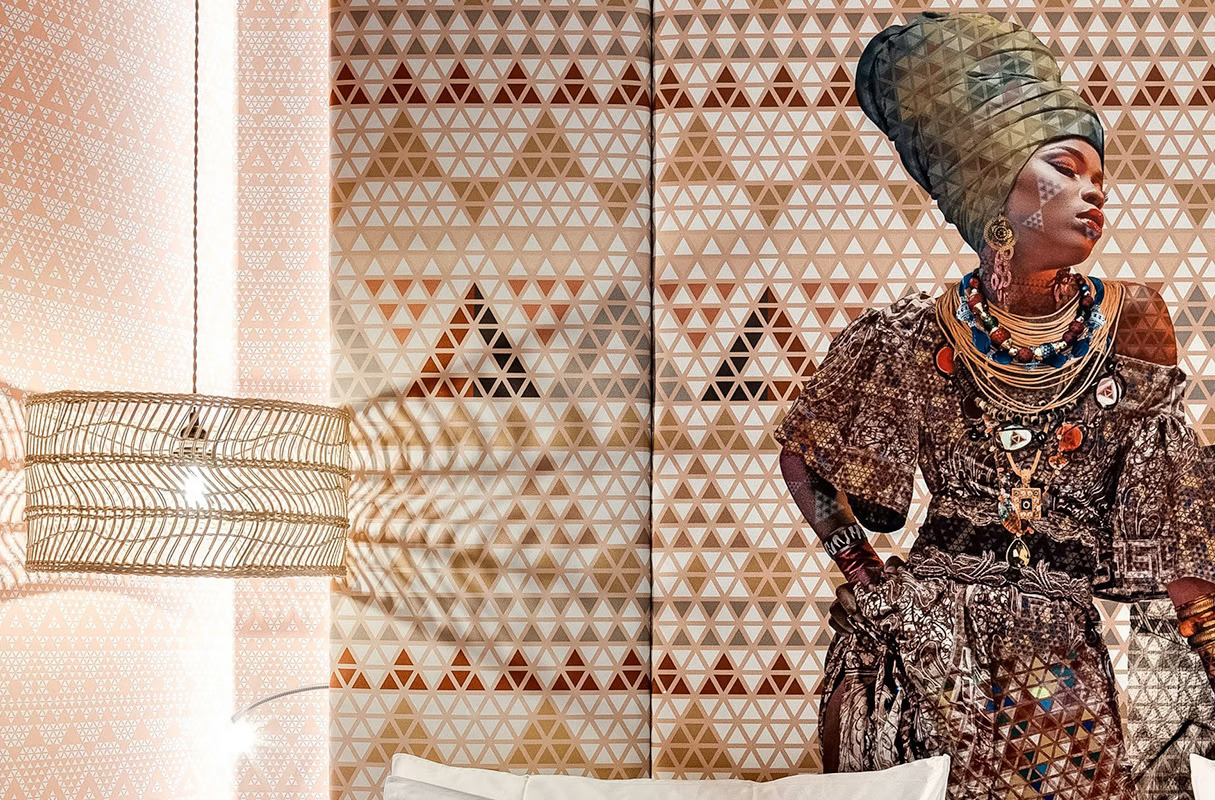
DISEÑO GRÁFICO PARA LOS CARTELES AMBIENTALES DE LAS HABITACIONES
1. Diseño de un collage retrofuturista inspirado en las culturas africanas: mujer africana al estilo «hipster» del Pop Art.
2. Diseño de un estampado repetitivo.
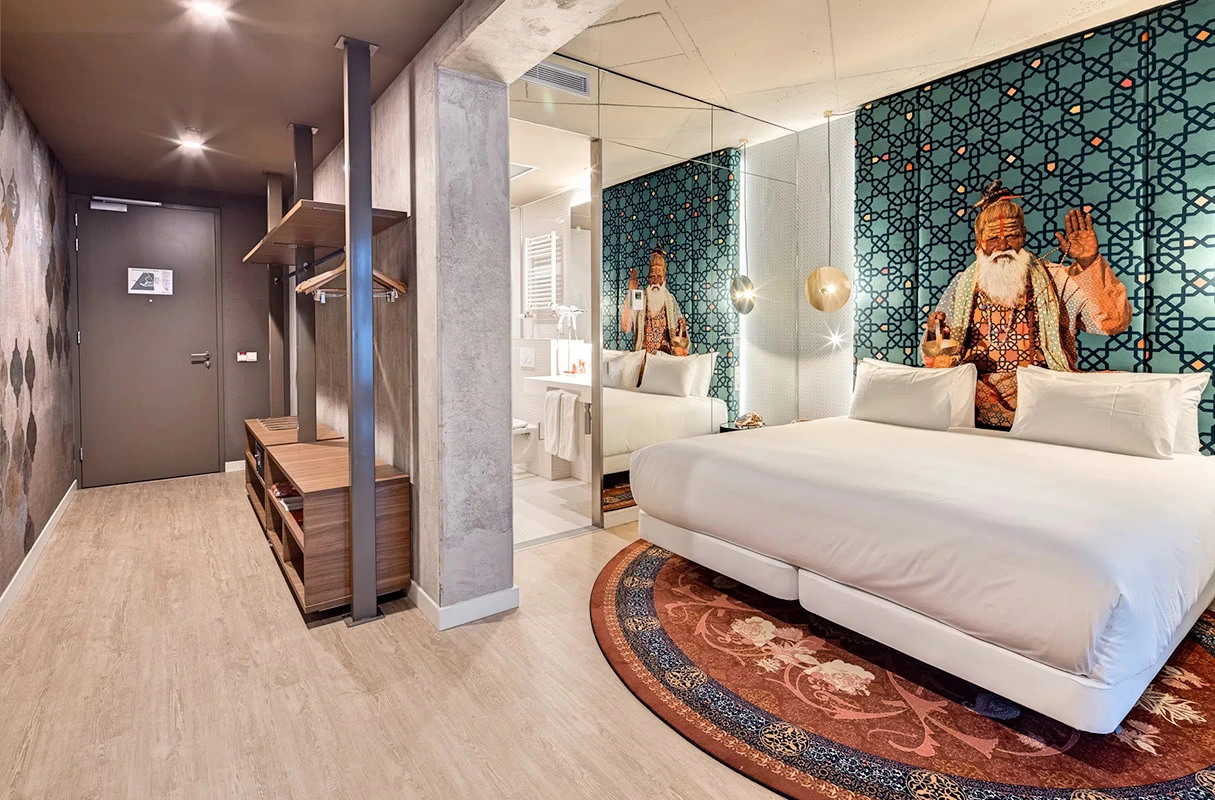
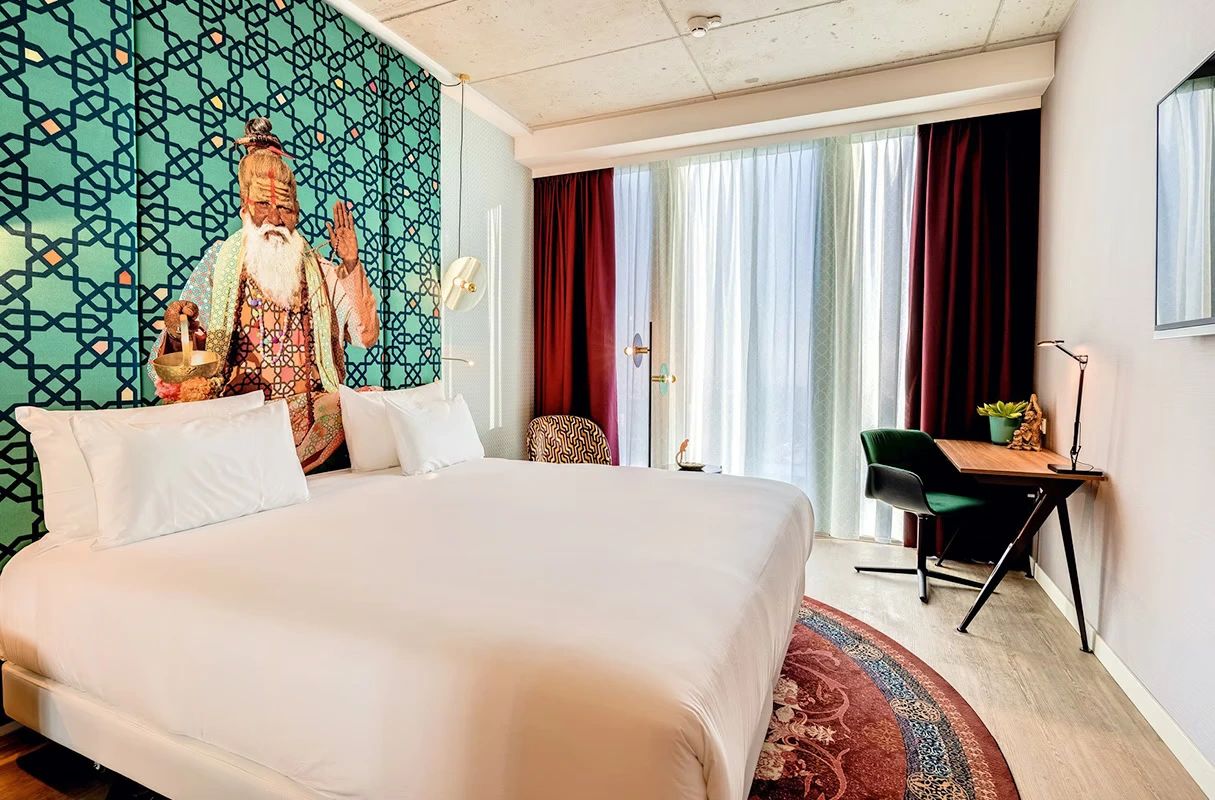
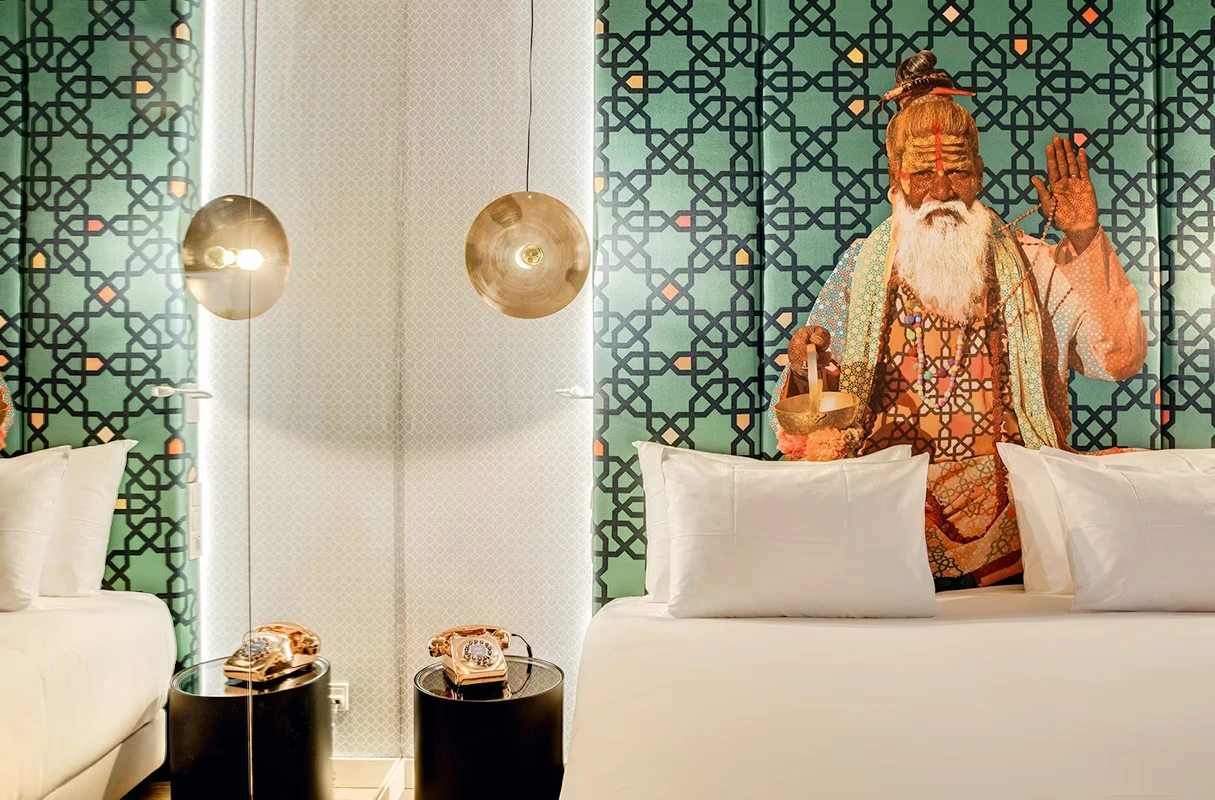
SOUTHEAST ROOMS
GRAPHIC DESIGN FOR ENVIROMENTAL PRINTS ON THE ROOMS
1. Diseño de un collage retrofuturista inspirado en la cultura india: un sadhu hipster al estilo Pop Art.
2. Diseño de un patrón repetitivo.
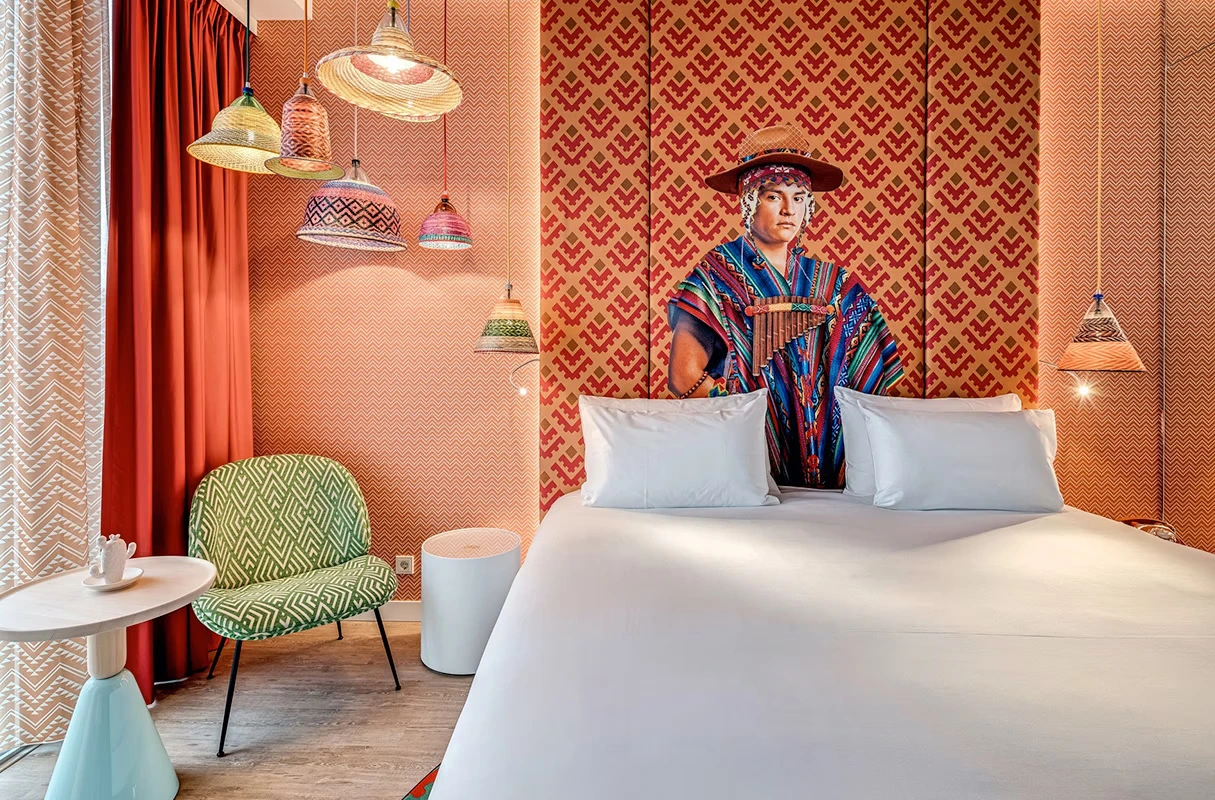
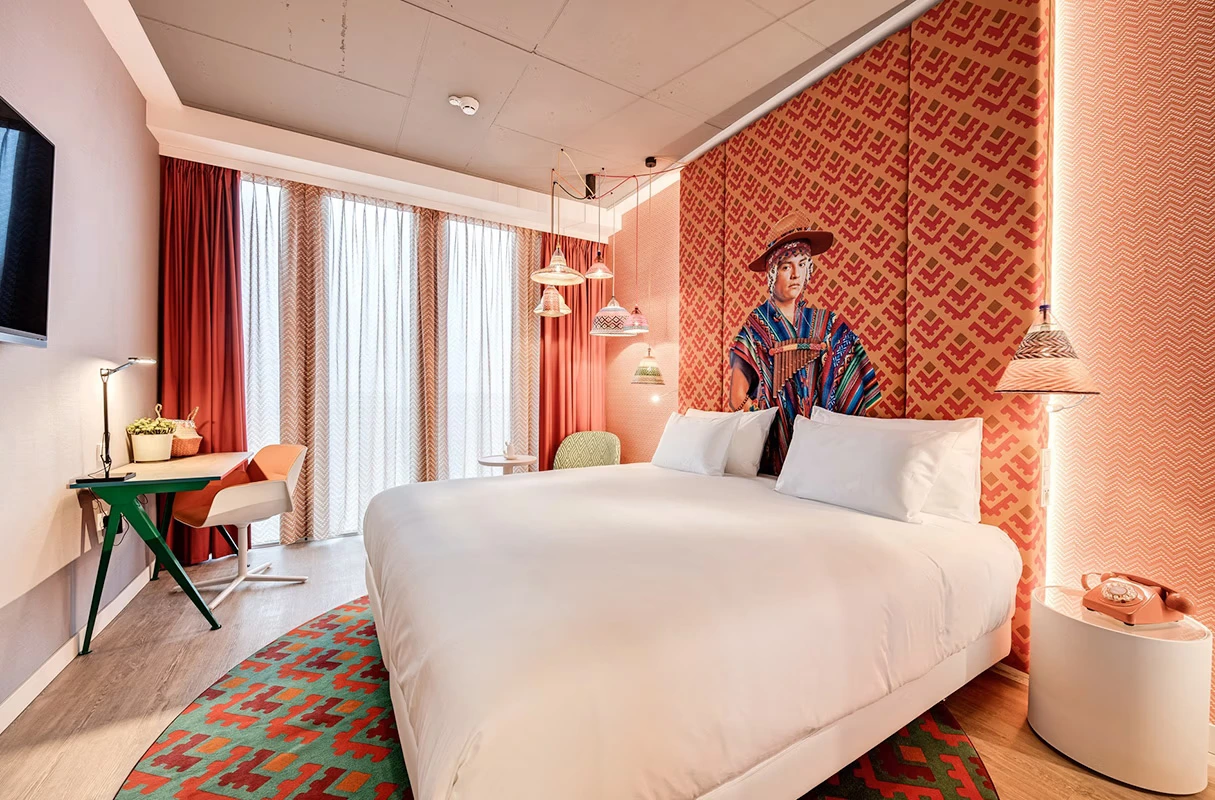
SOUTHWEST ROOMS
GRAPHIC DESIGN FOR ENVIROMENTAL PRINTS ON THE ROOMS
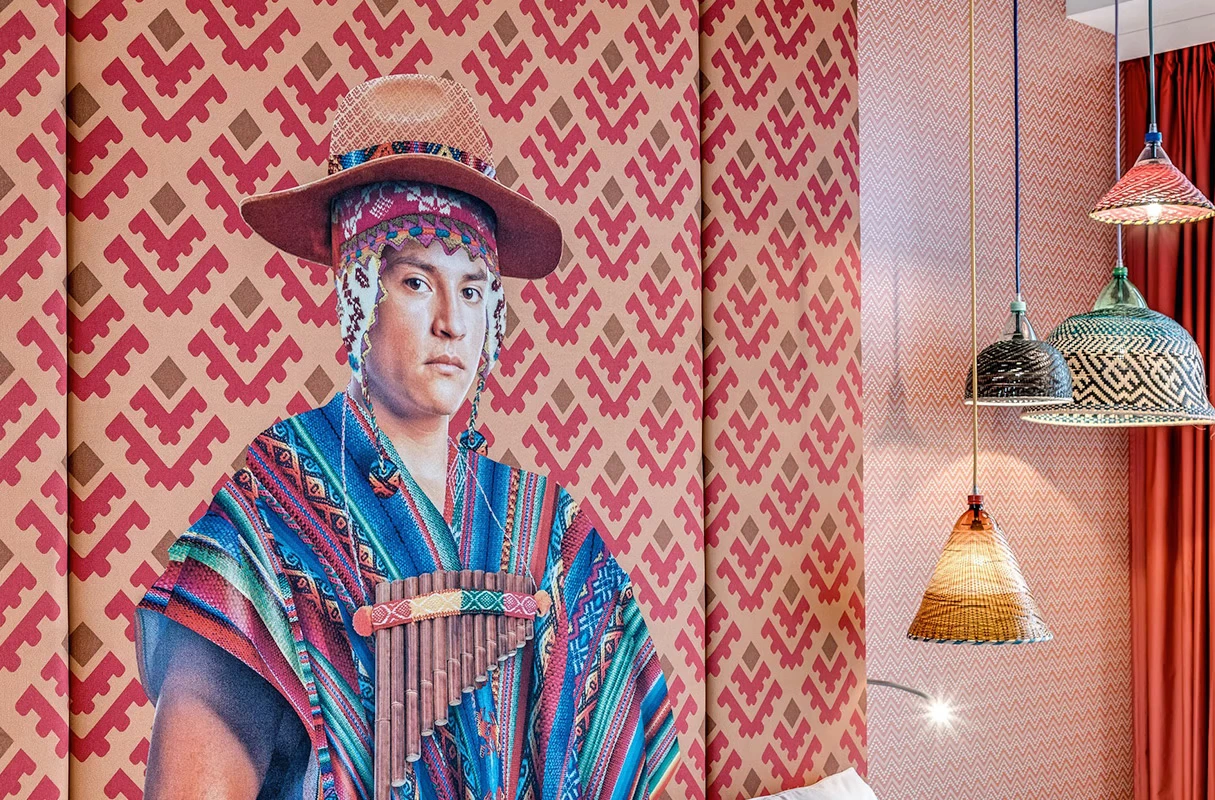
1. Diseño de un collage retrofuturista inspirado en la cultura andina: un hombre andino al estilo «hipster» del Pop Art.
2. Diseño de un estampado repetitivo.