WHAT THESE REINTERPRETATIONS SHARE
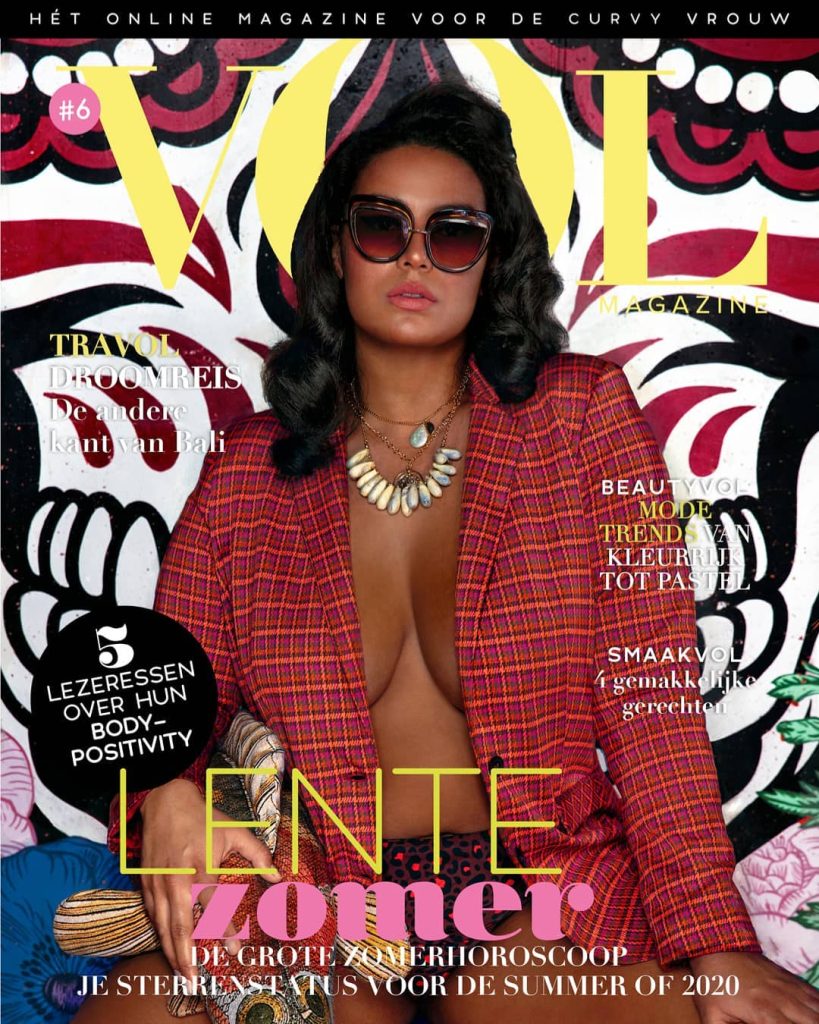
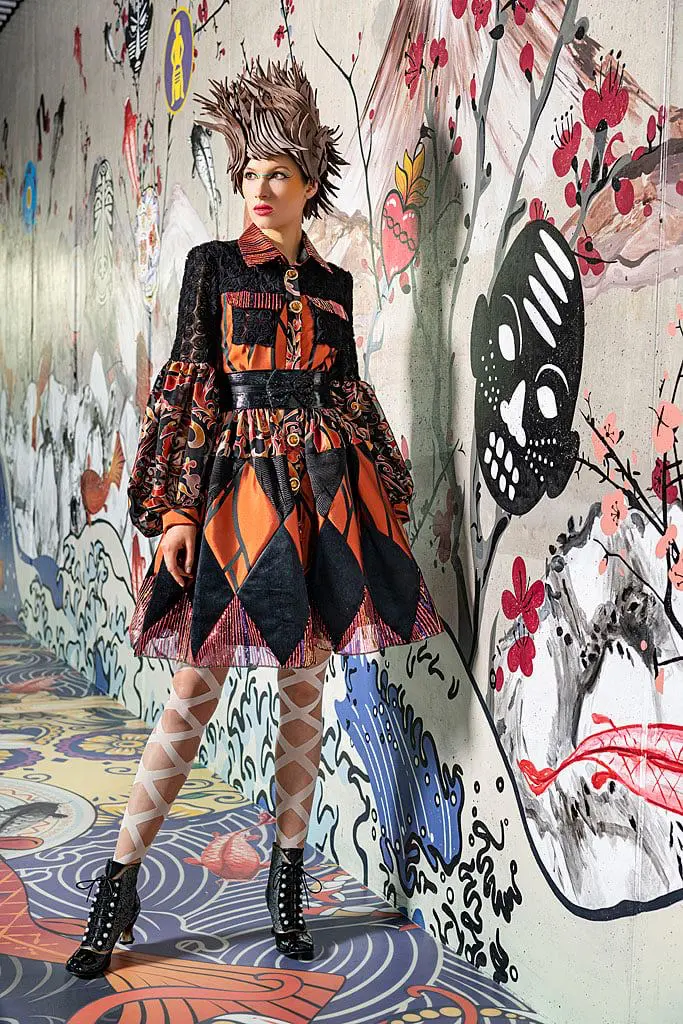
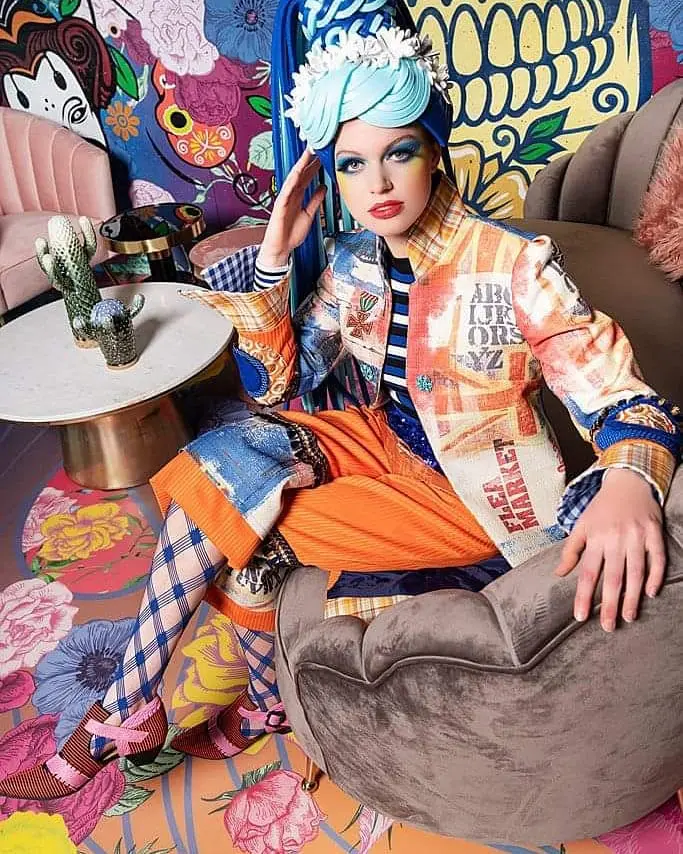
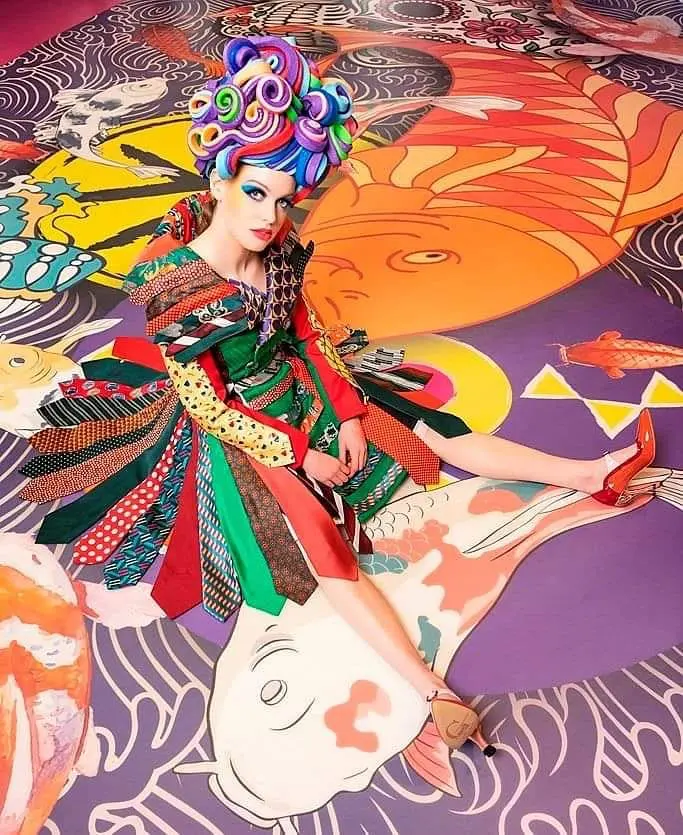
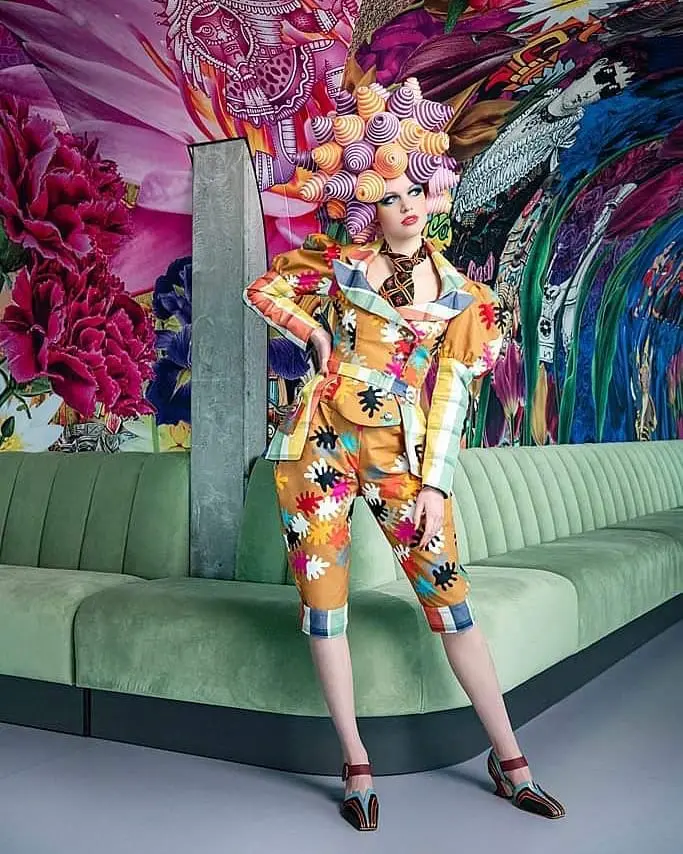
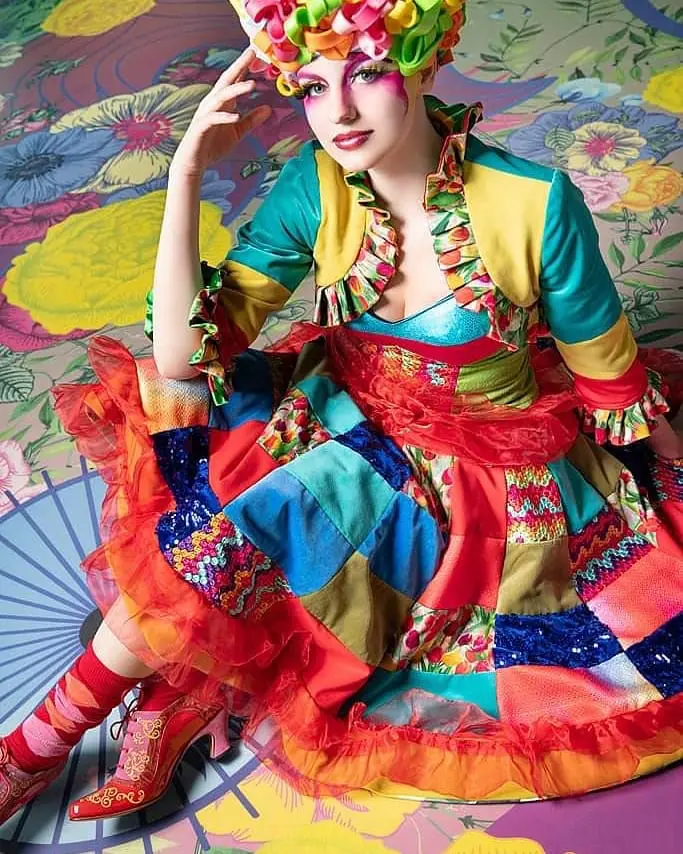
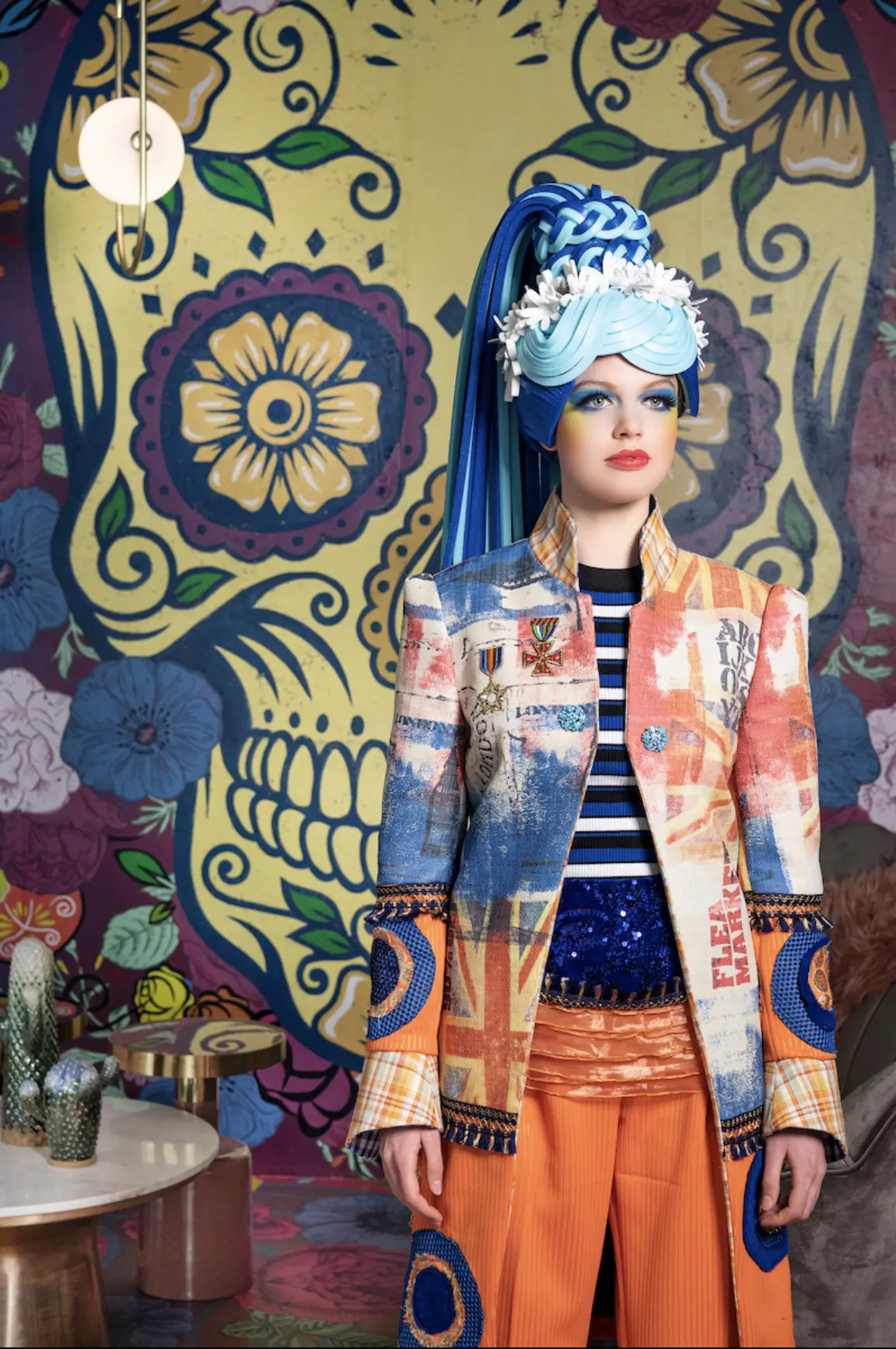
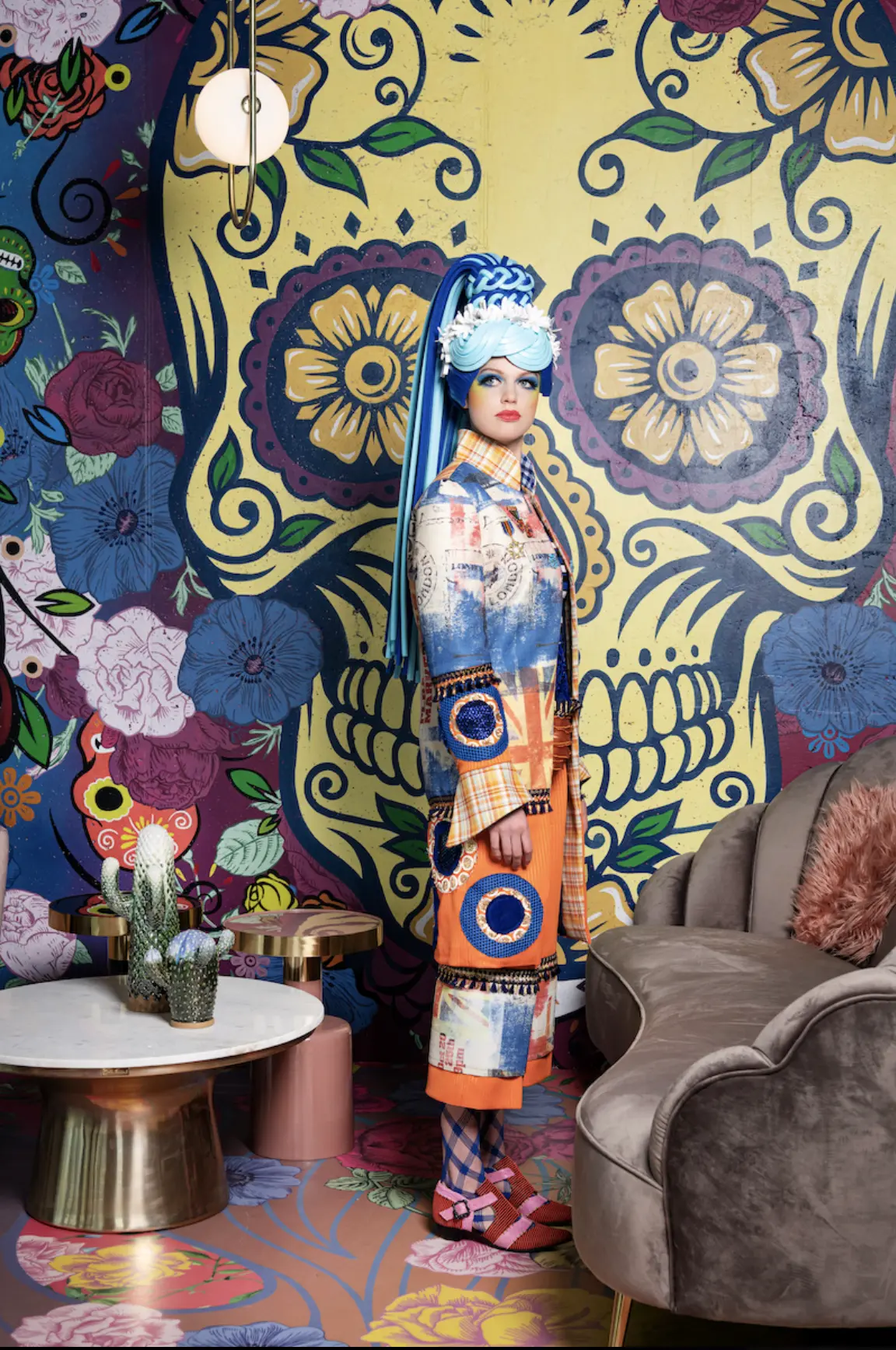
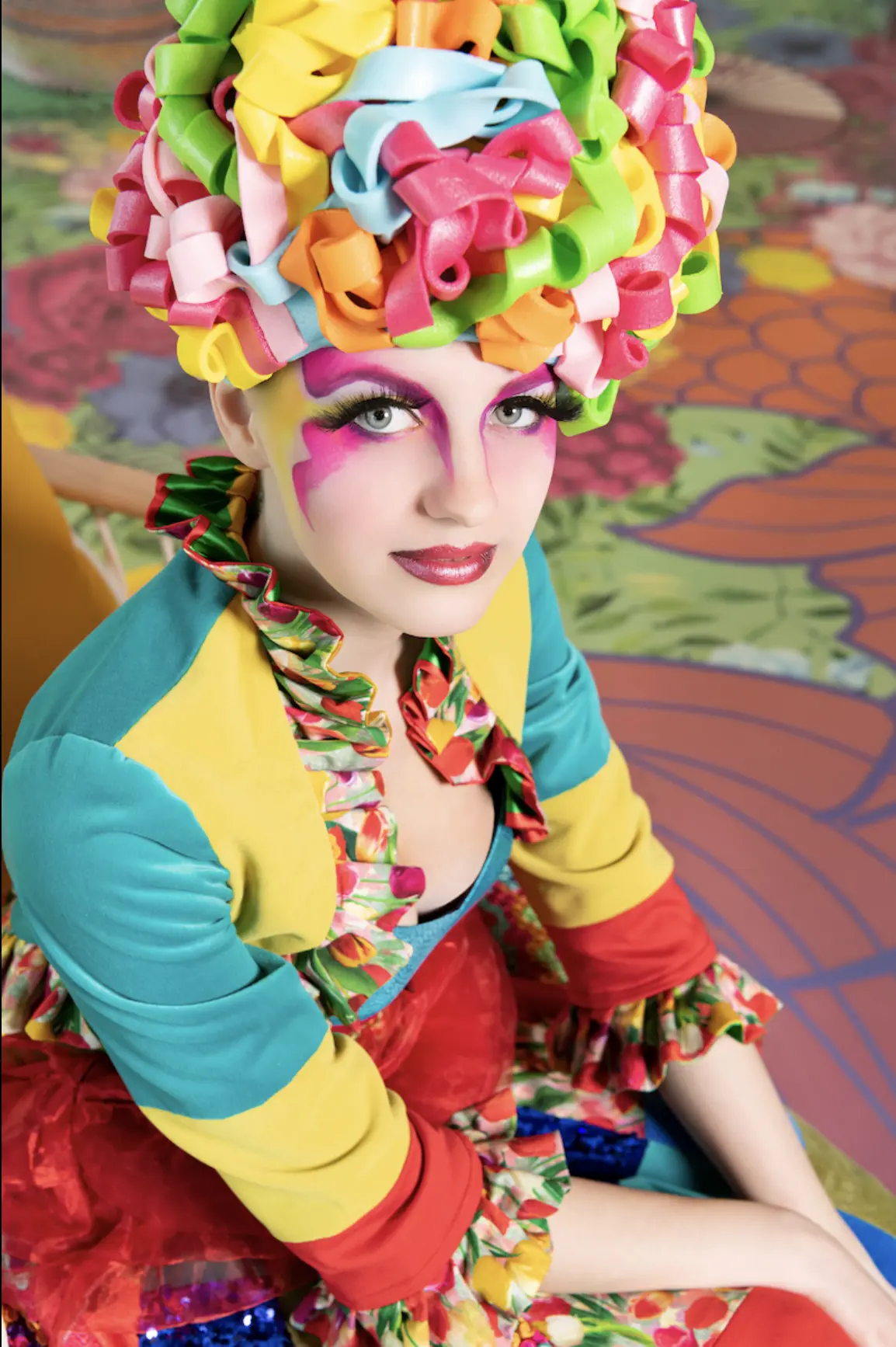
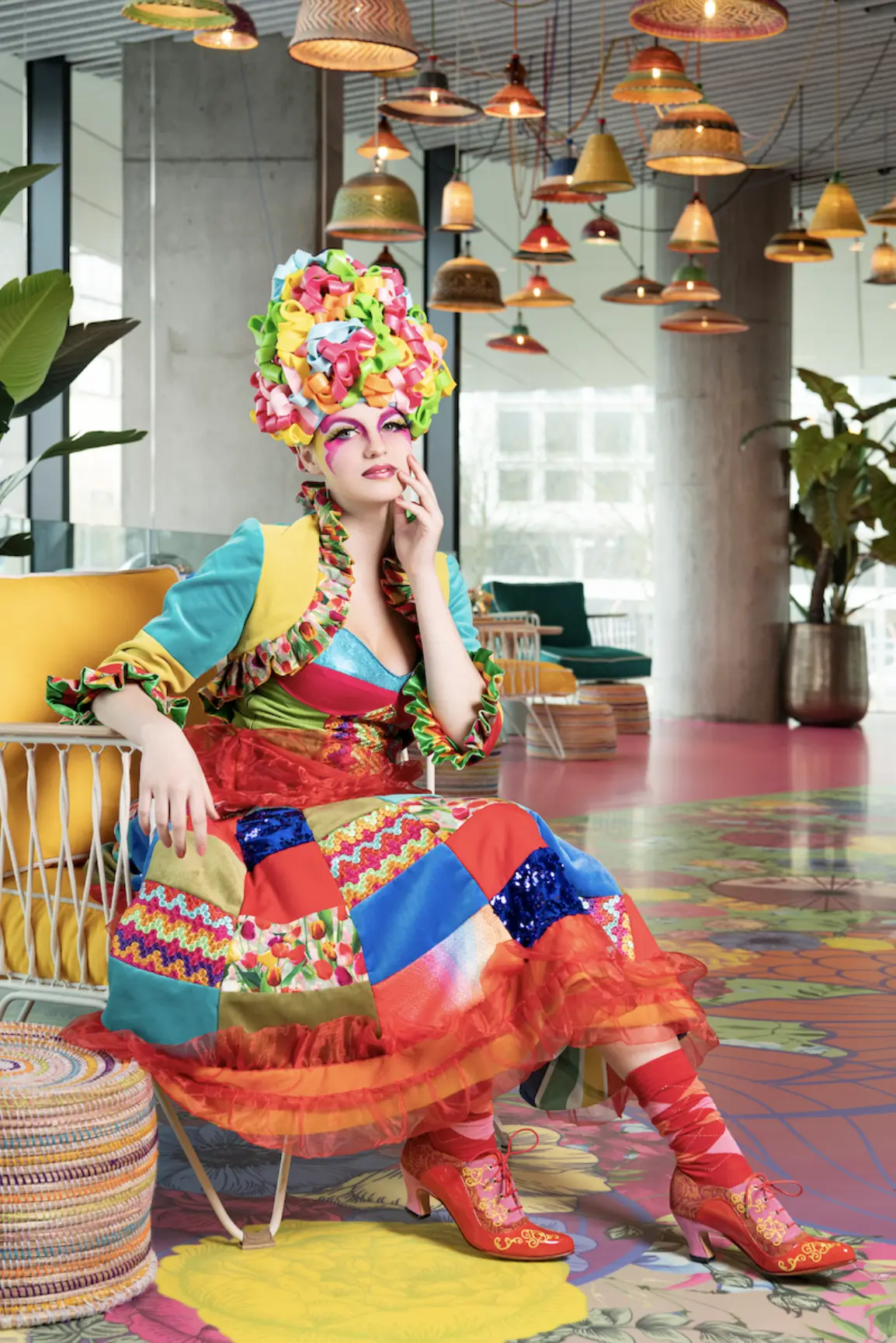
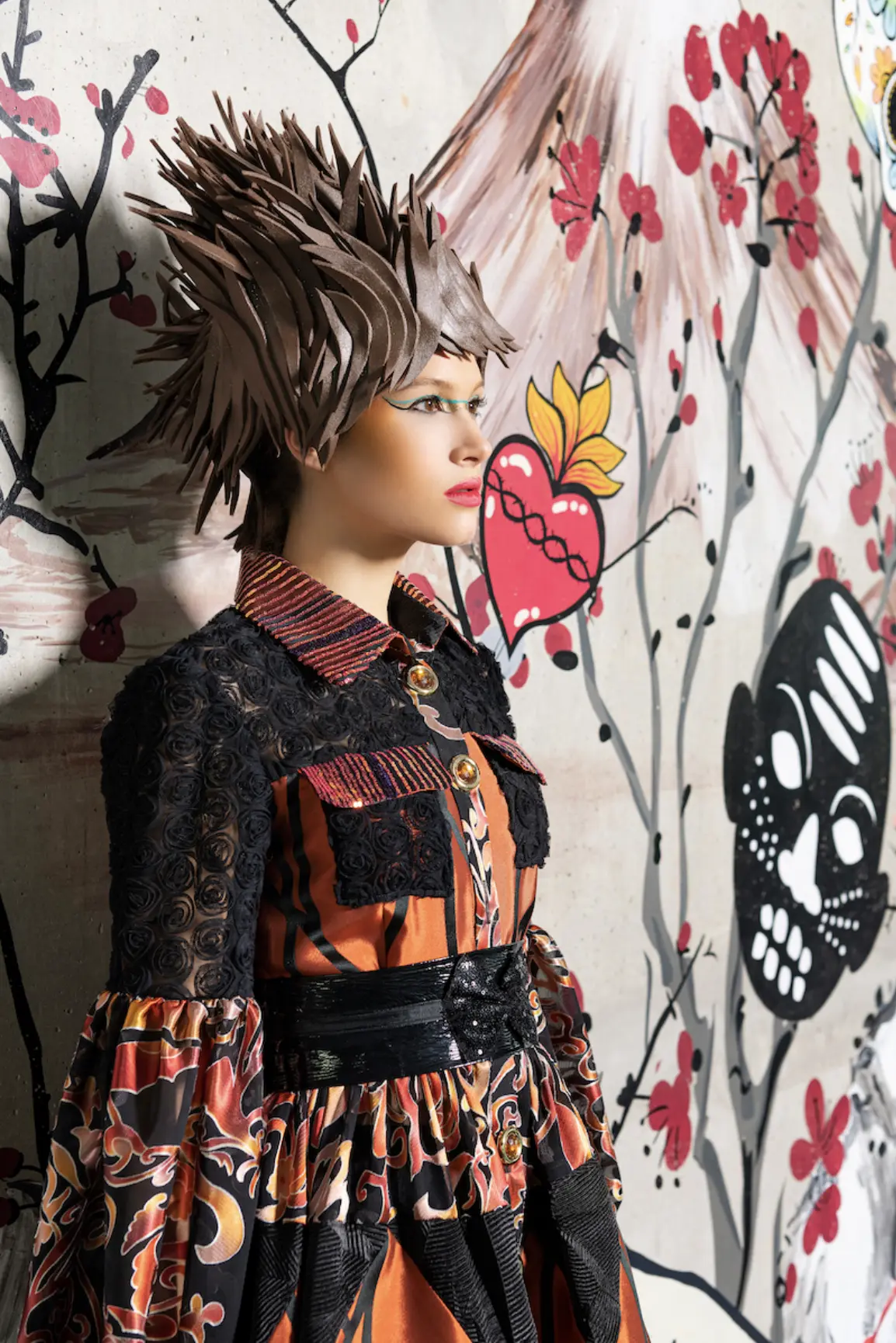
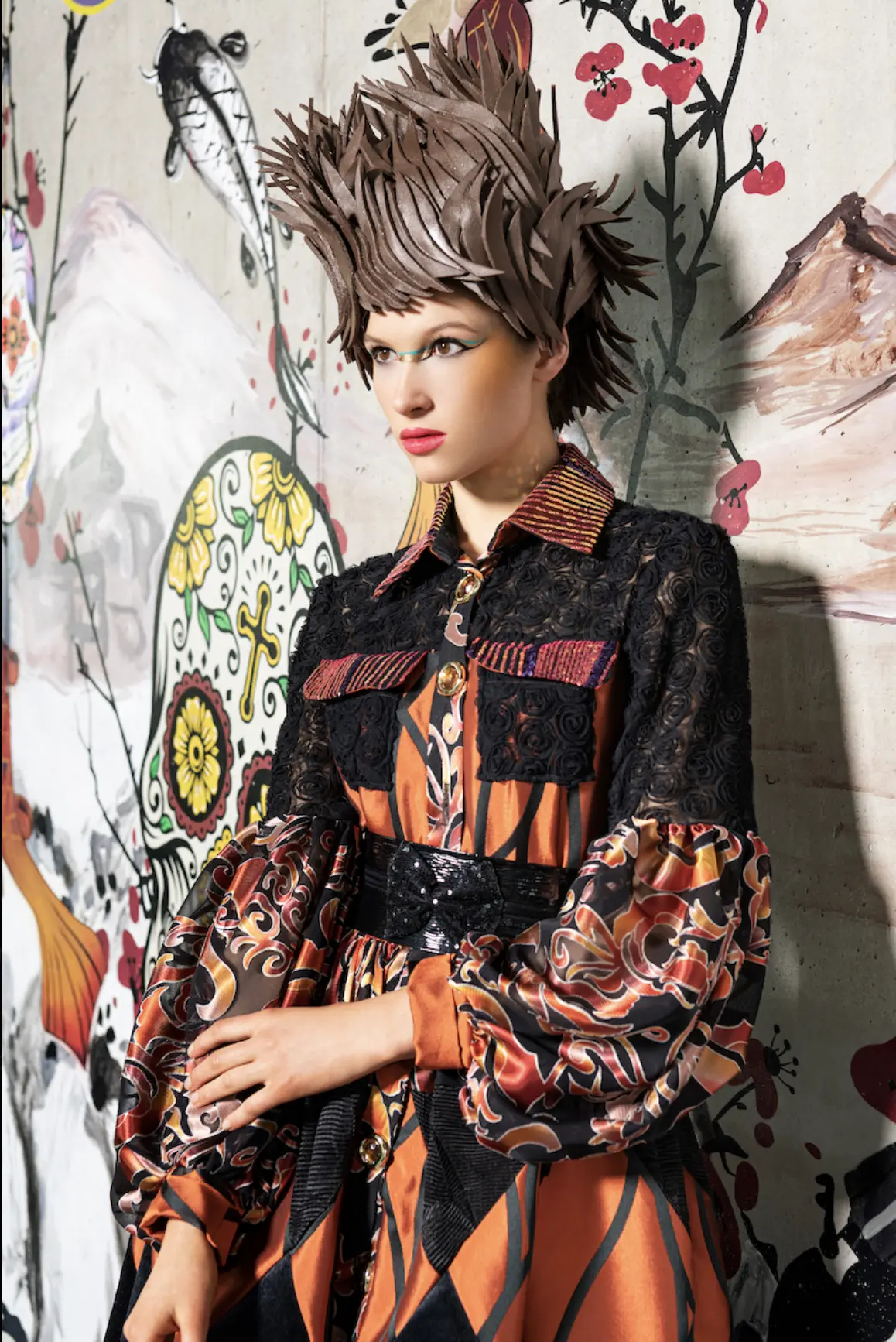
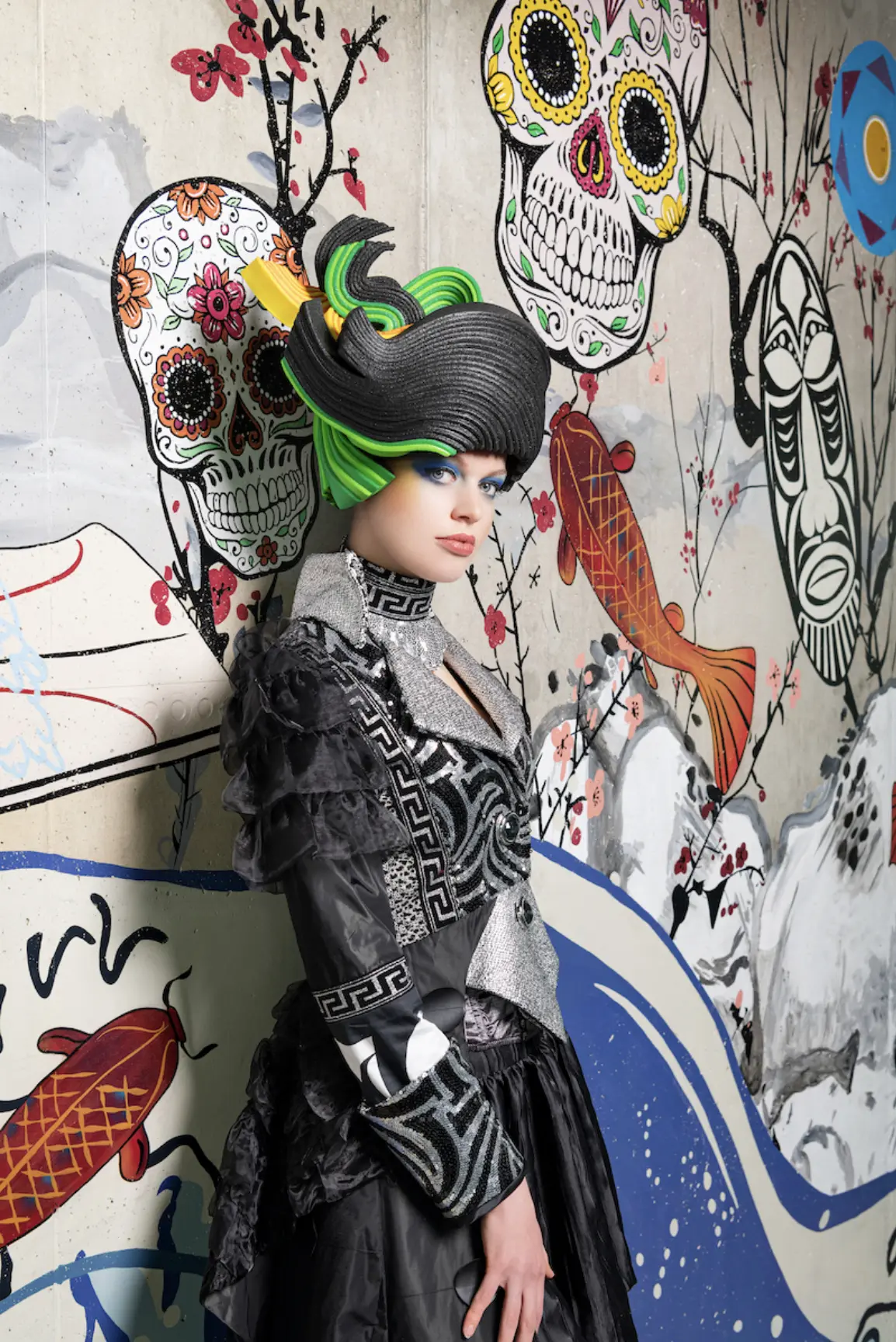
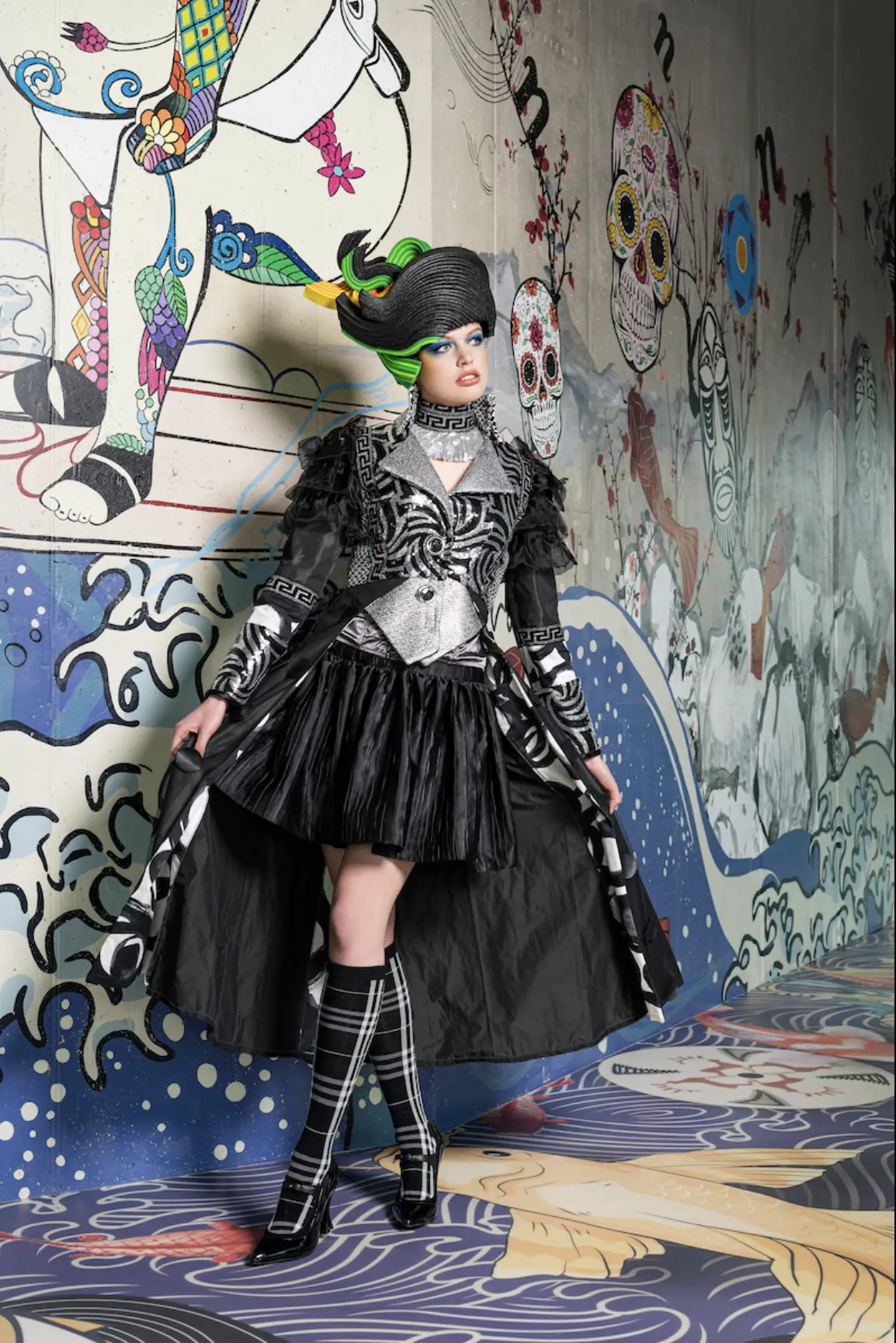
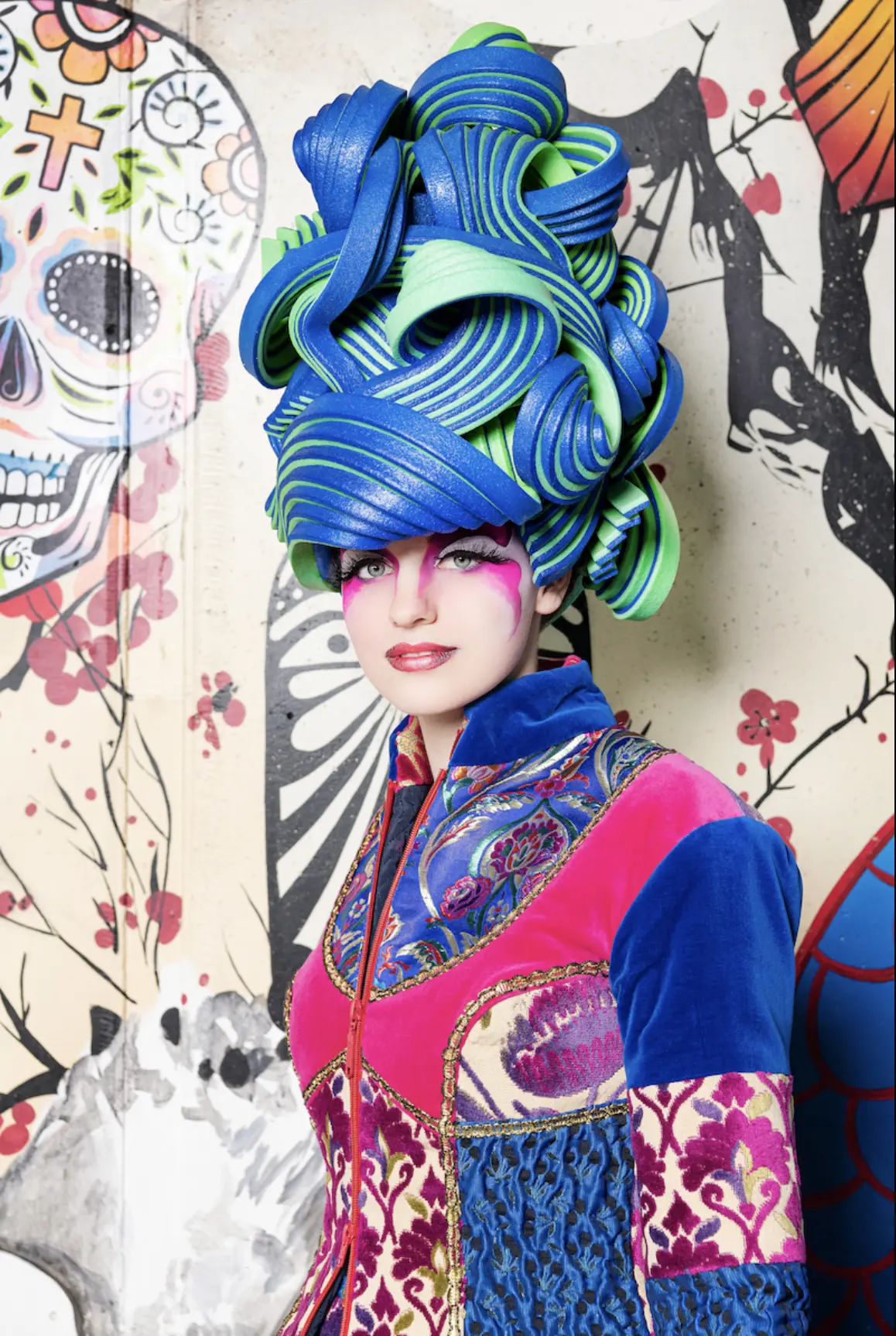
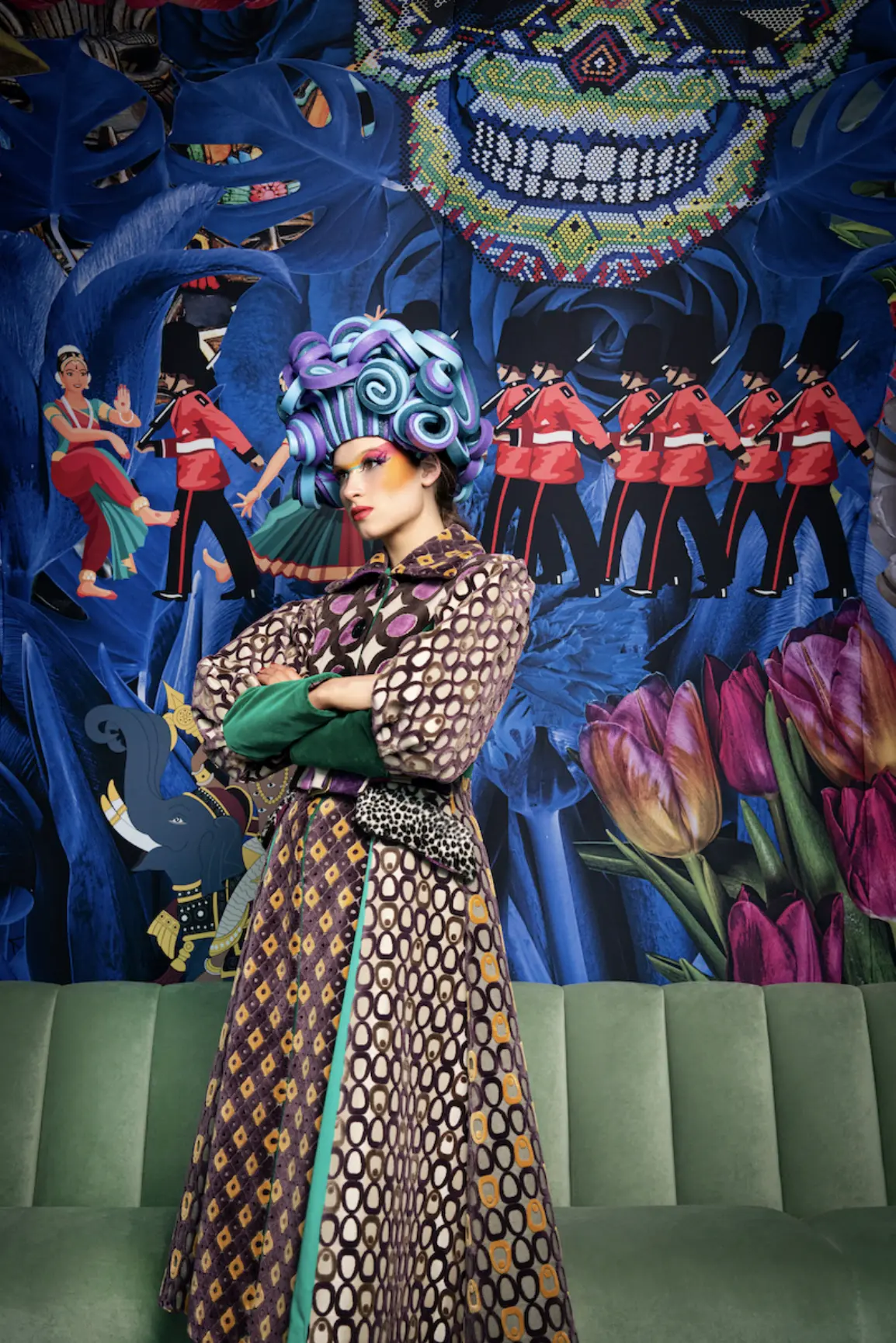
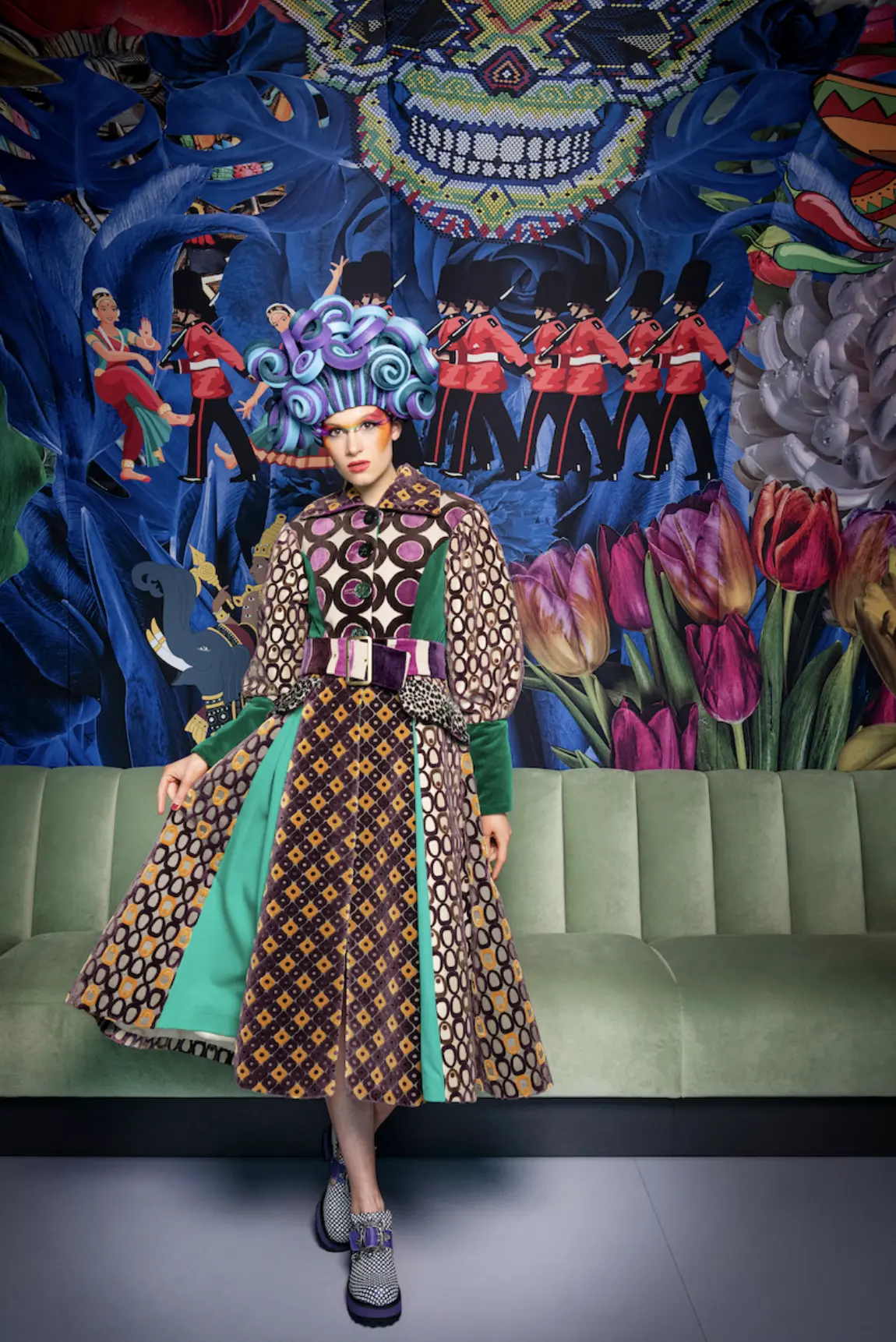
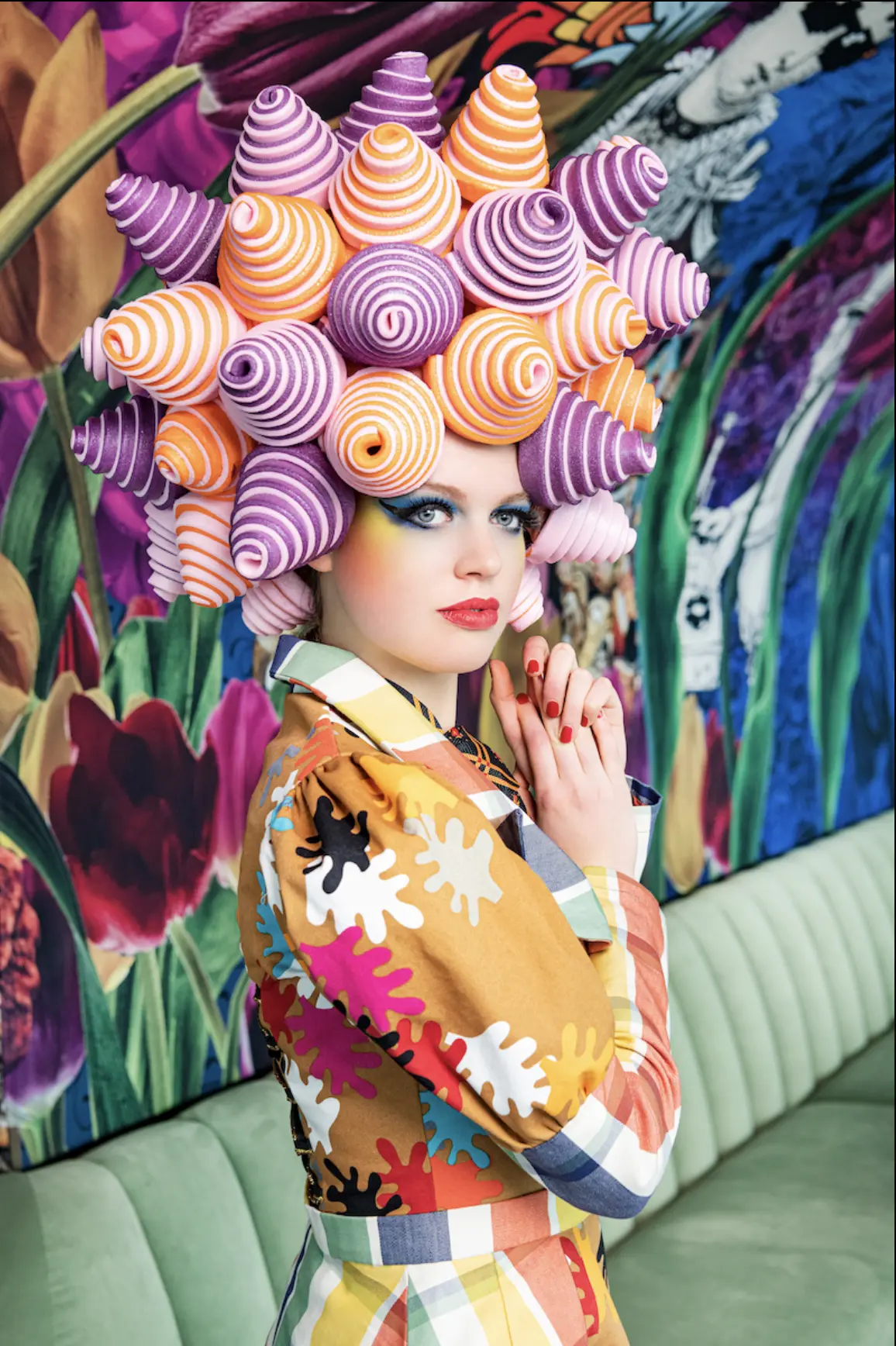
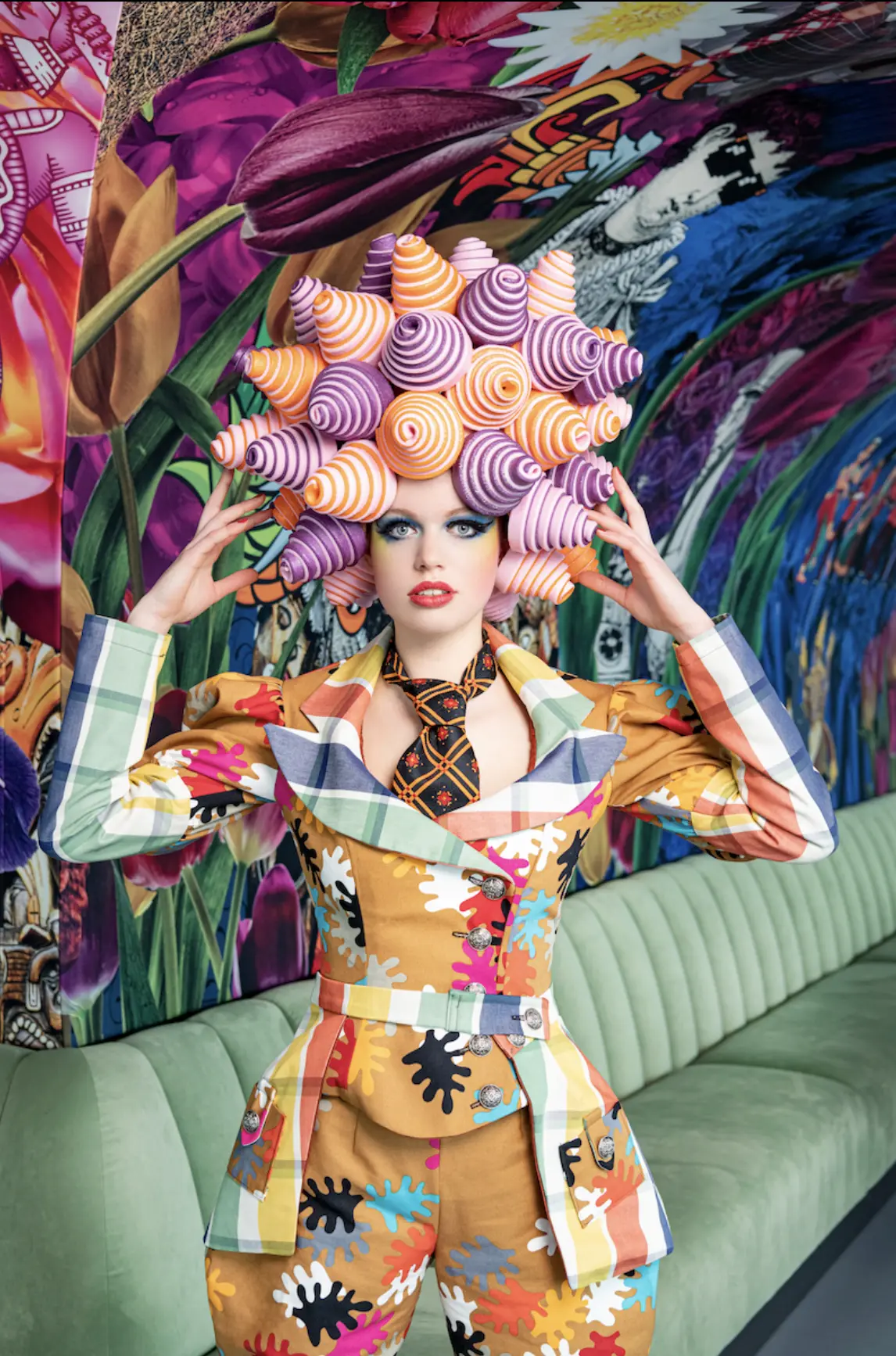
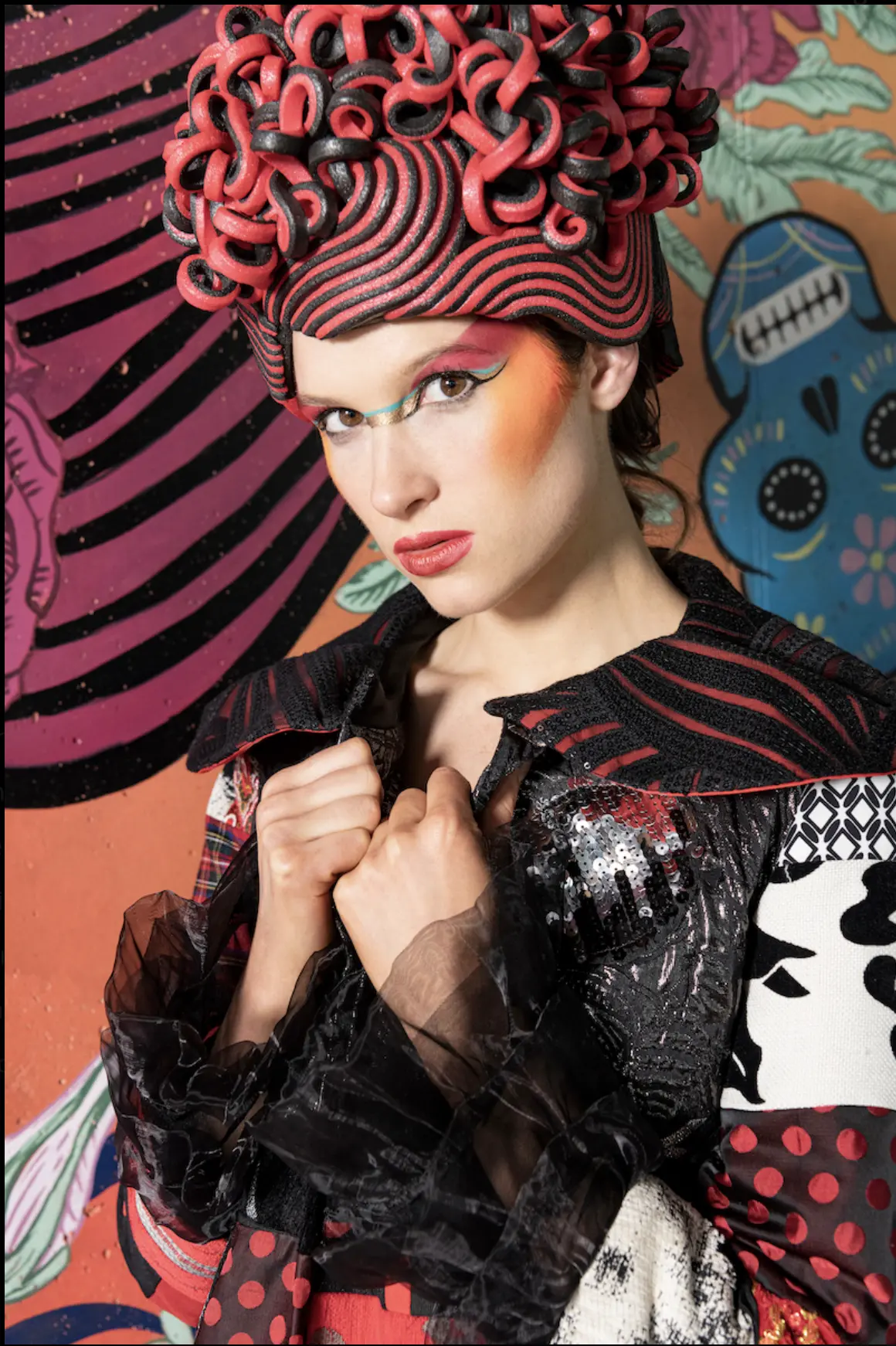
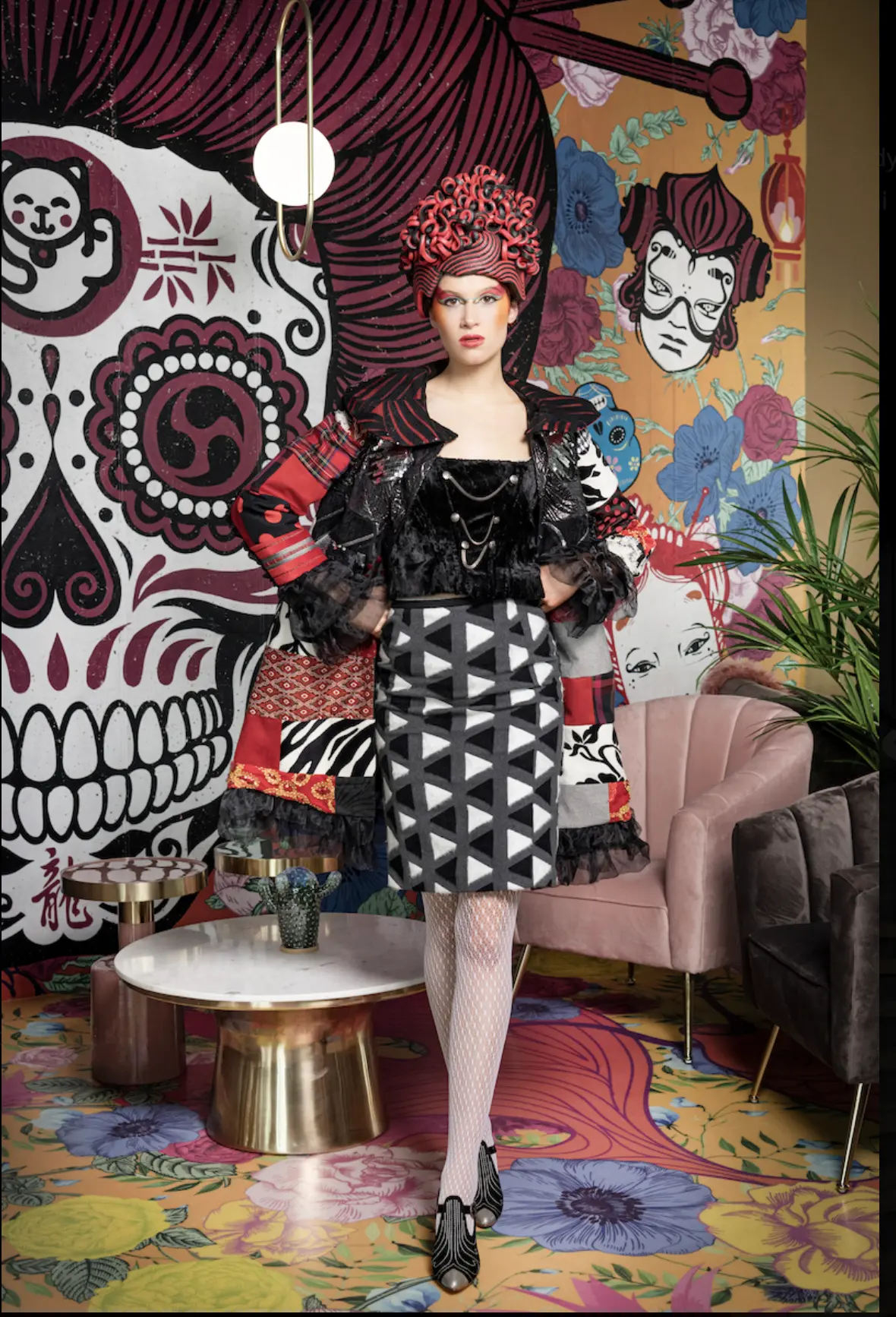
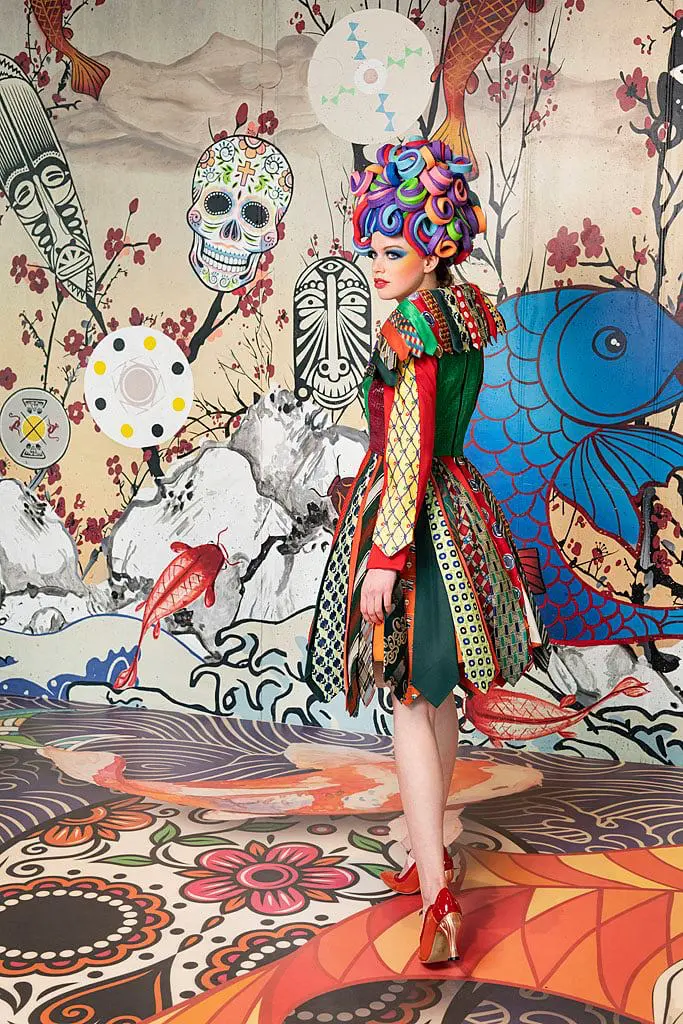
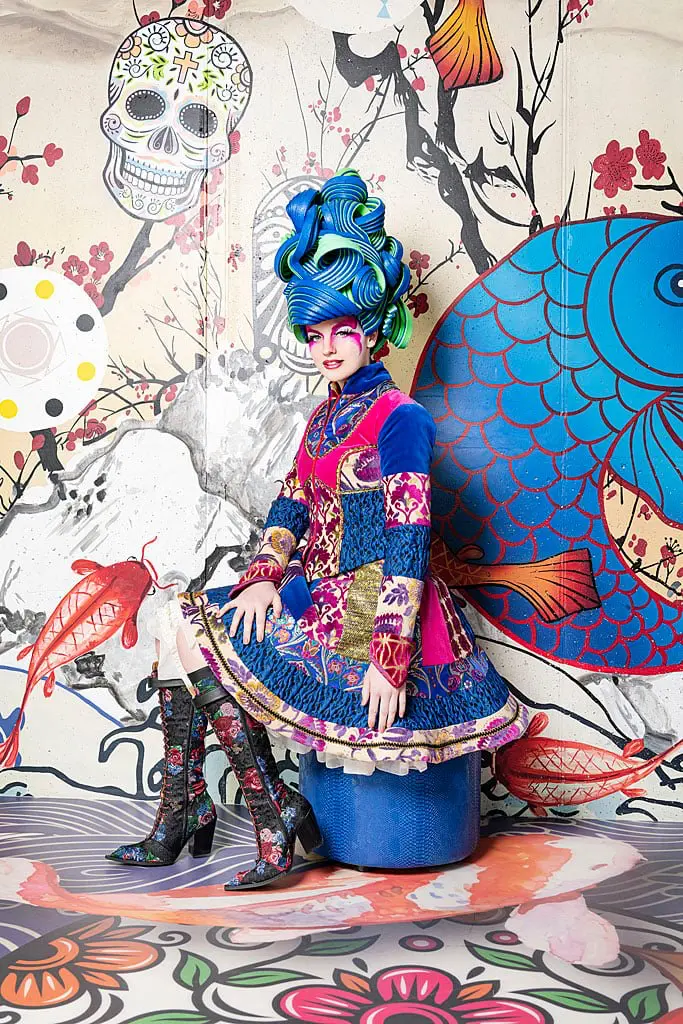
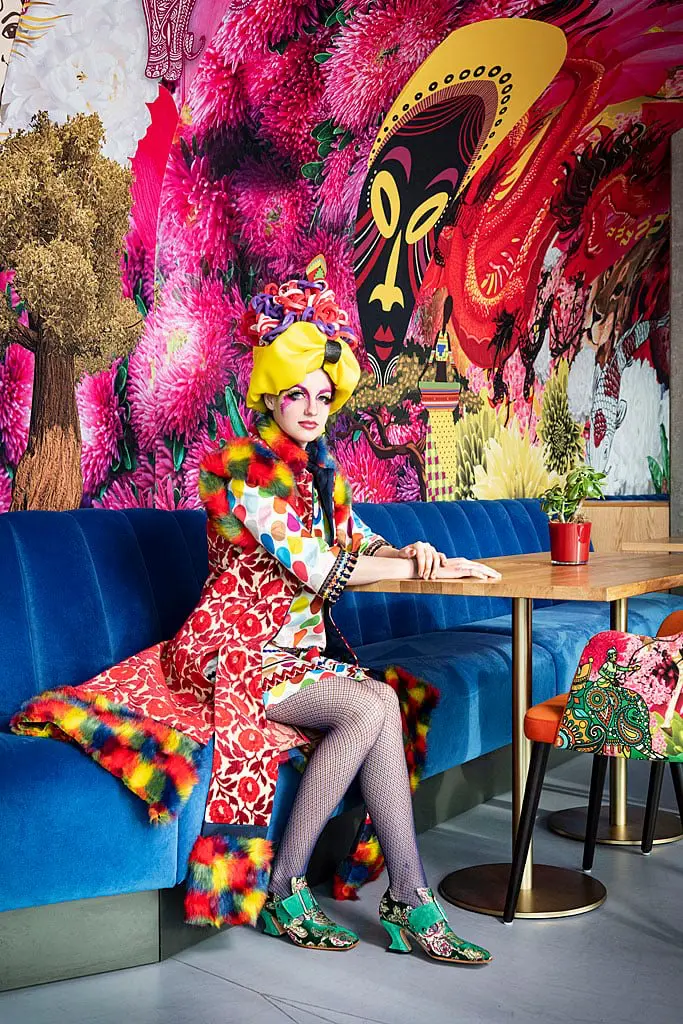
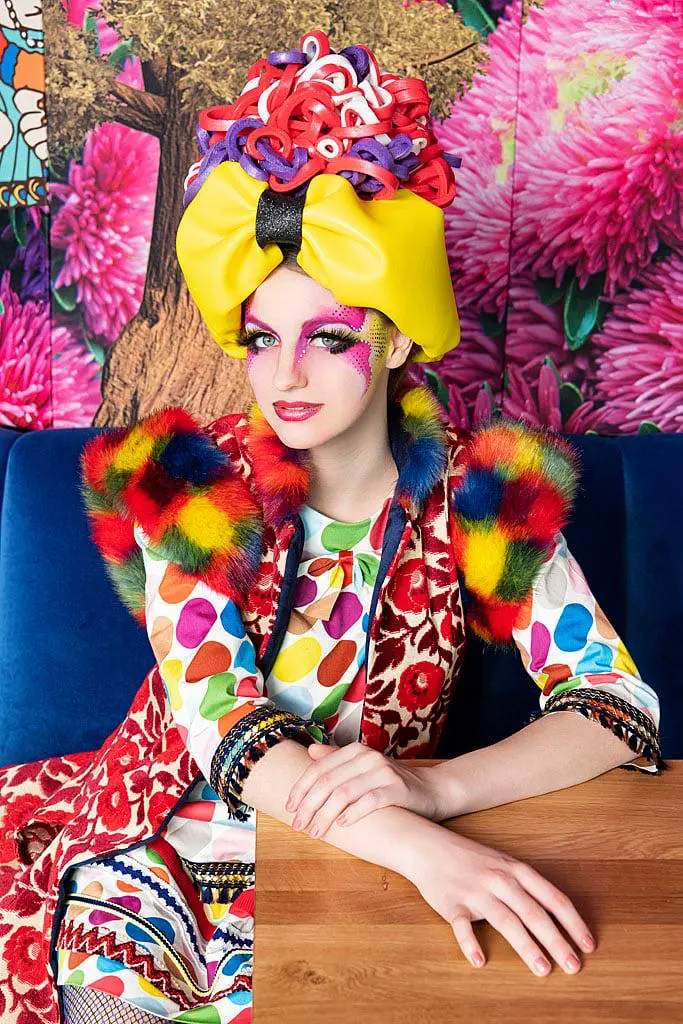
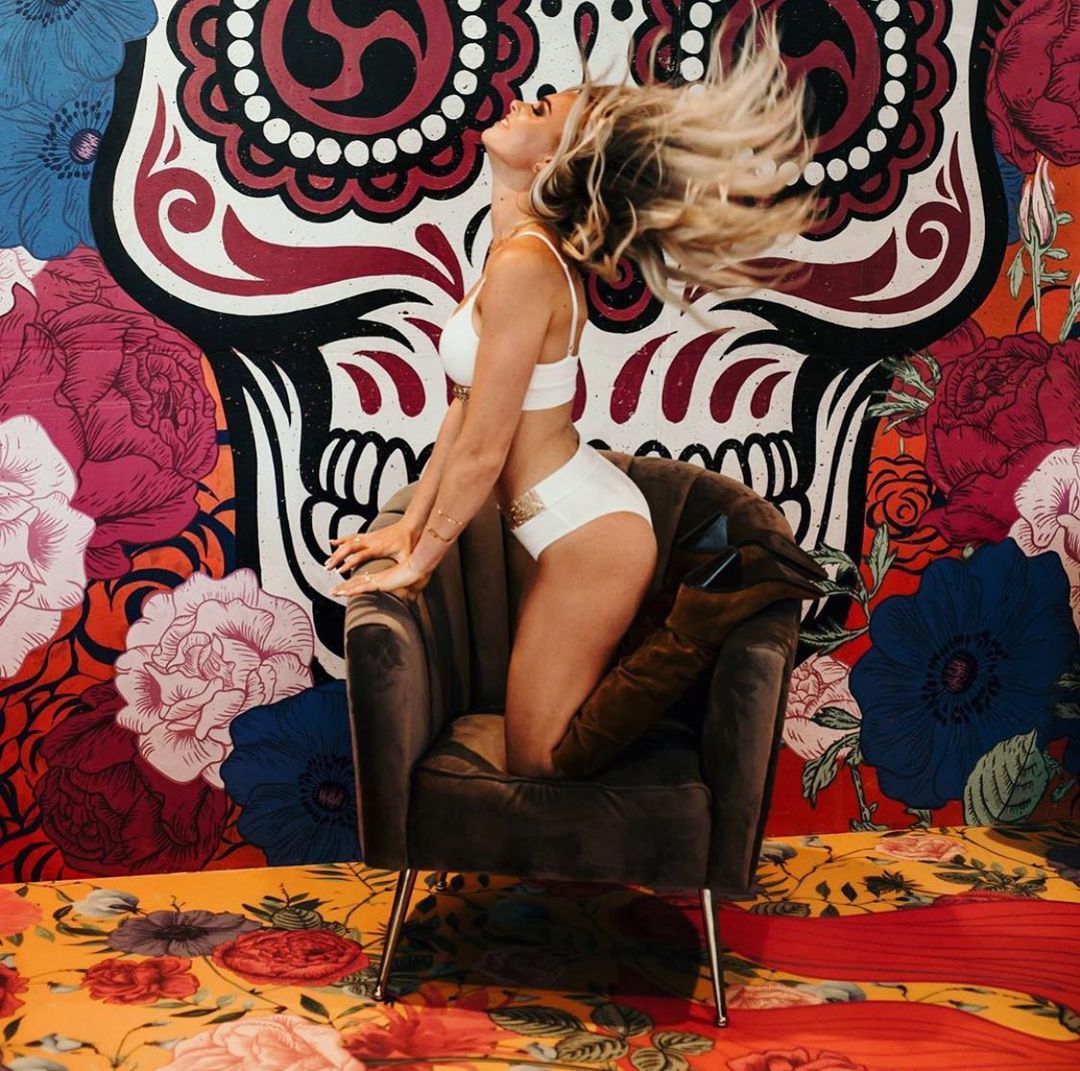
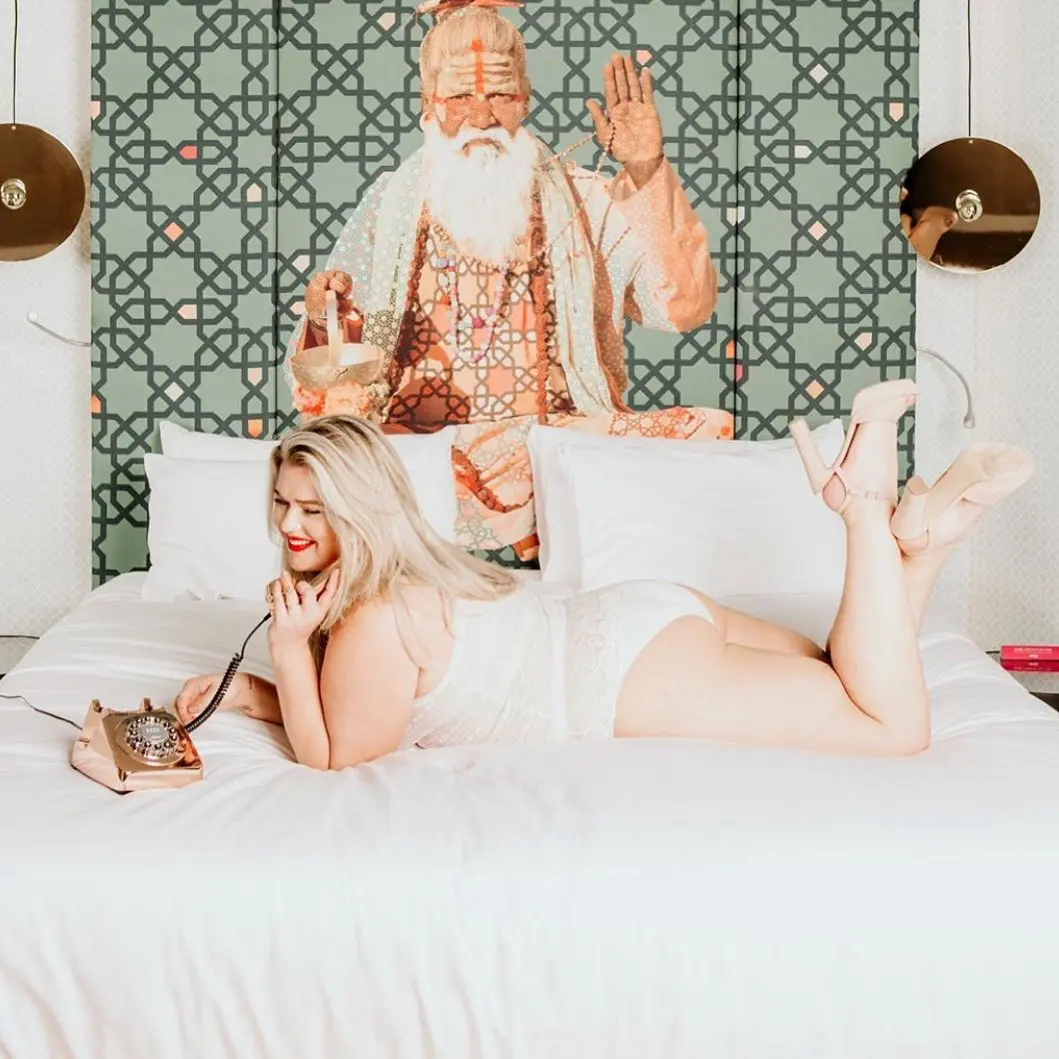
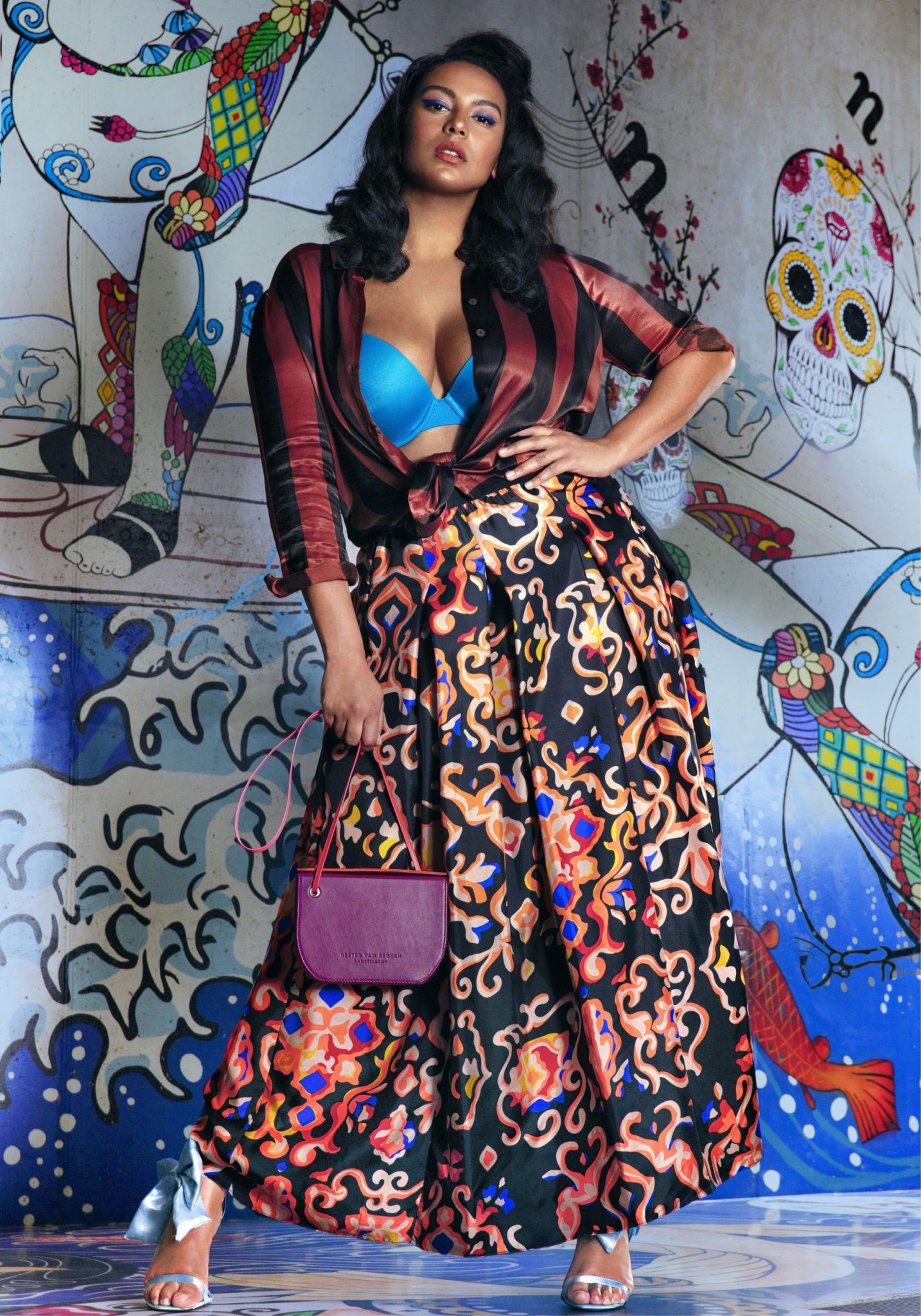
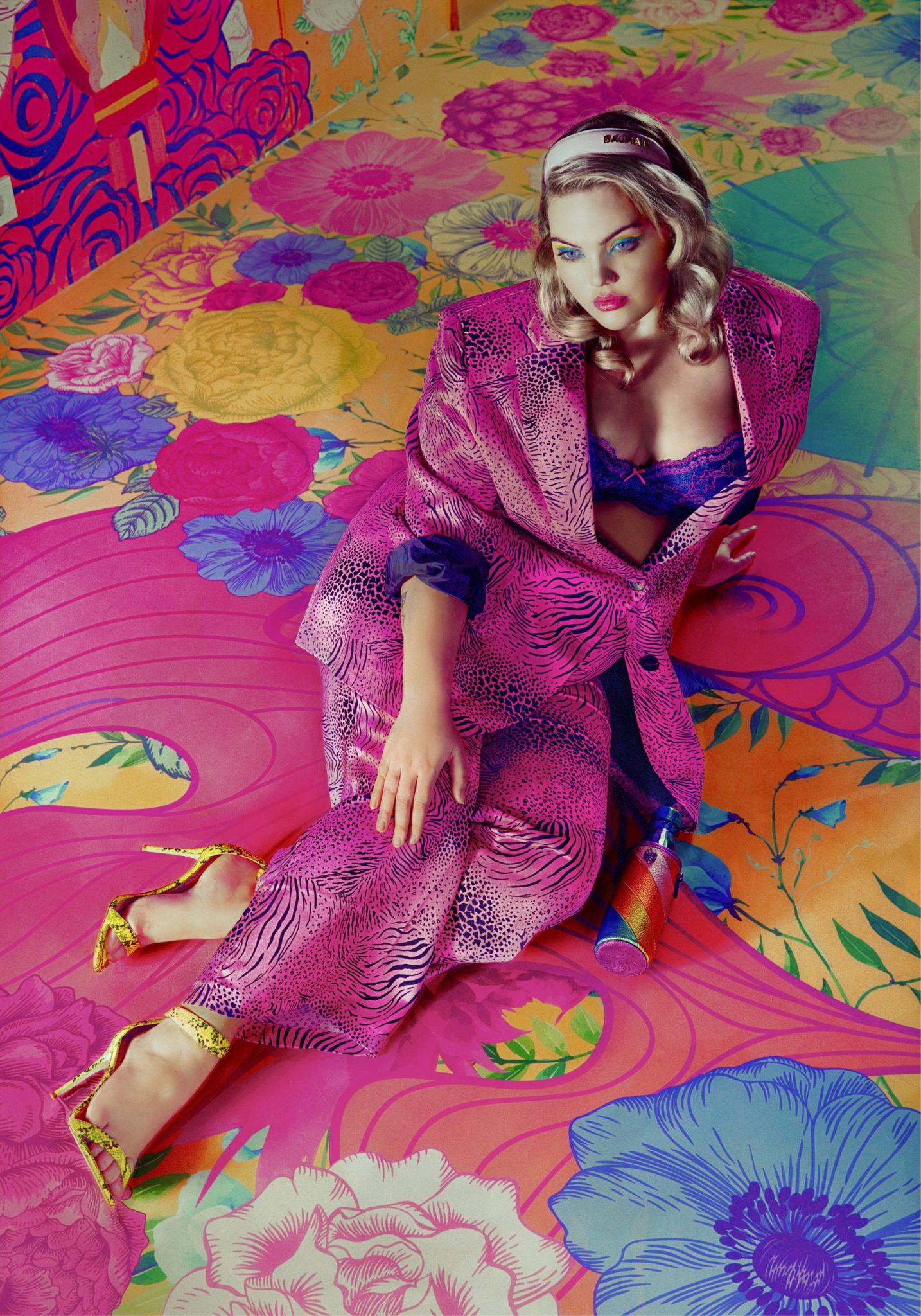
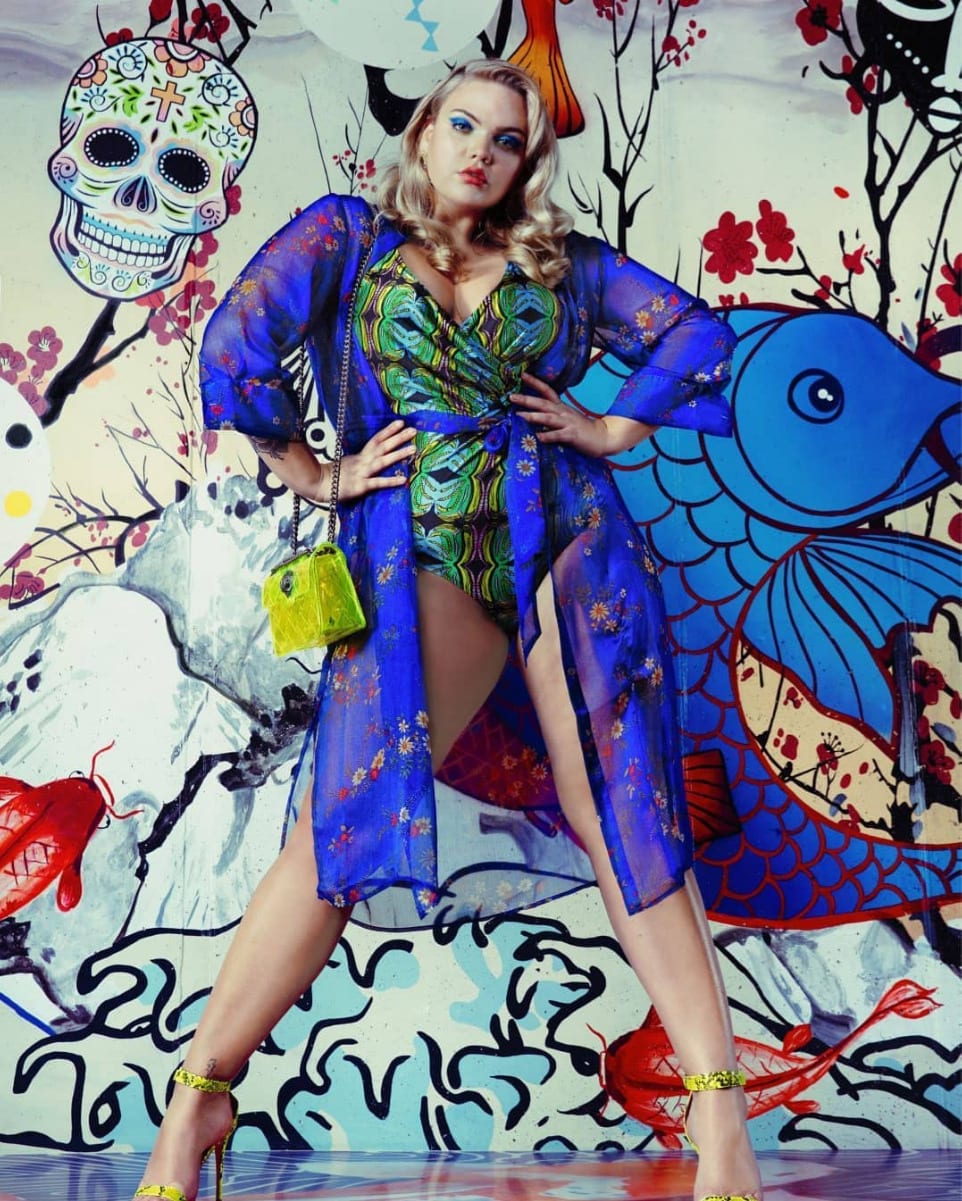
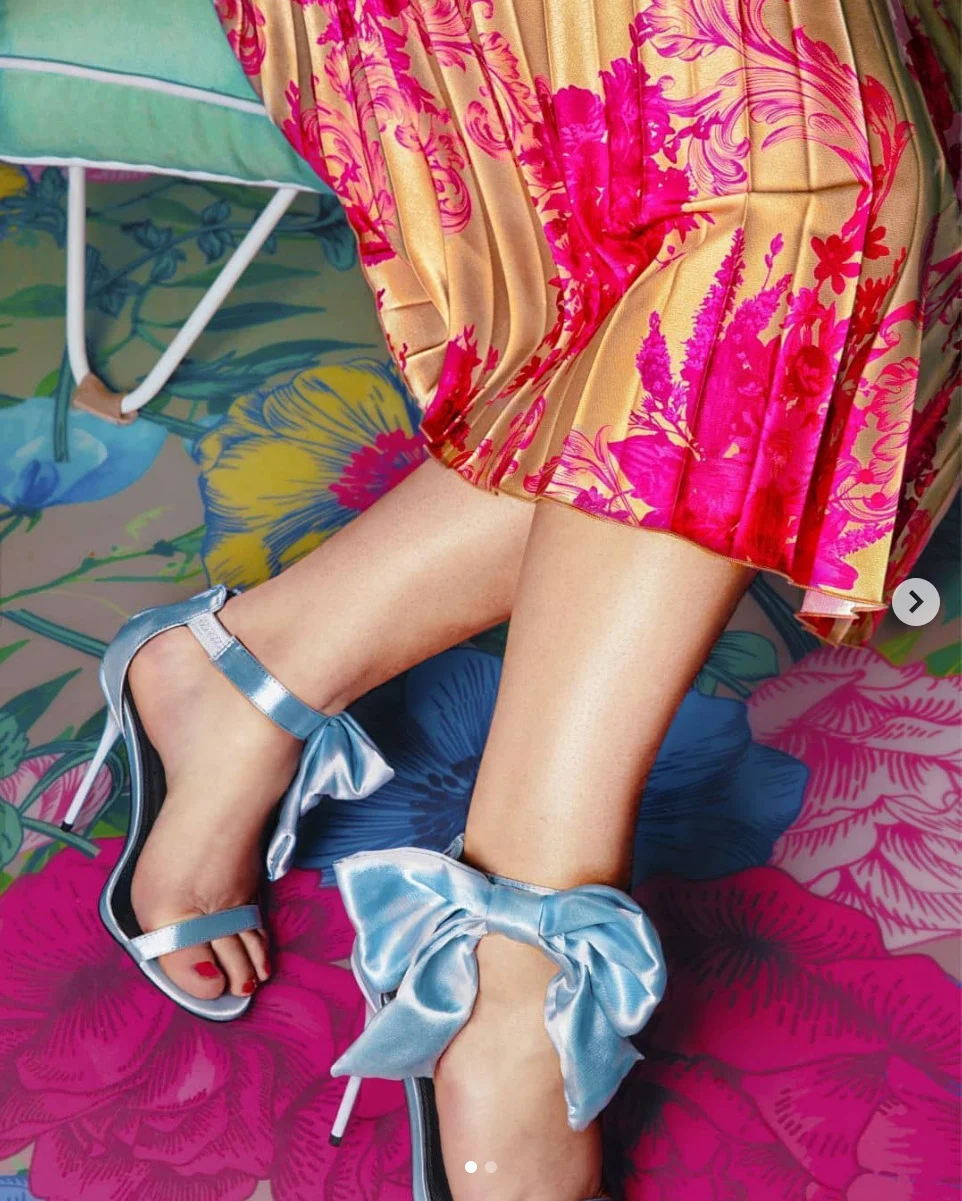
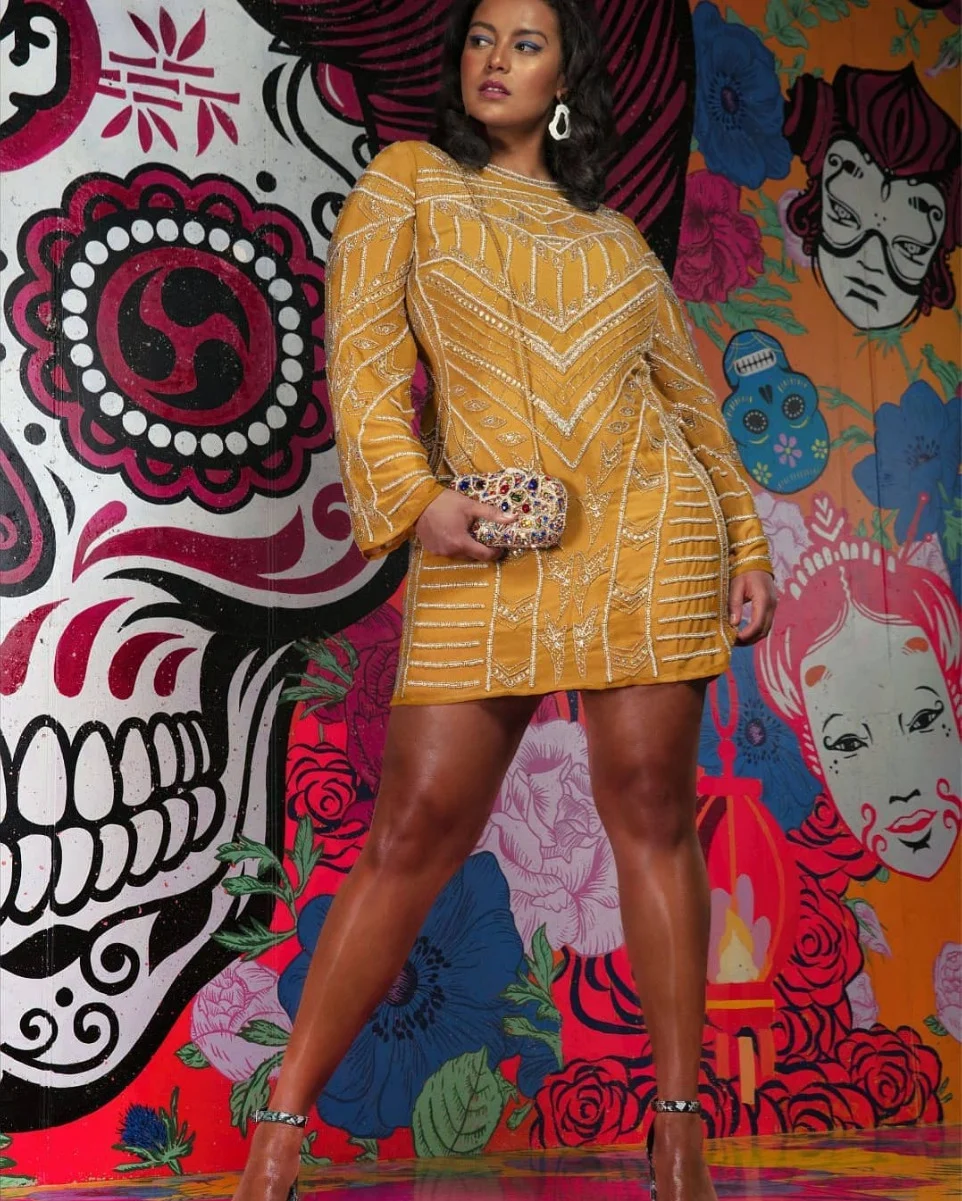
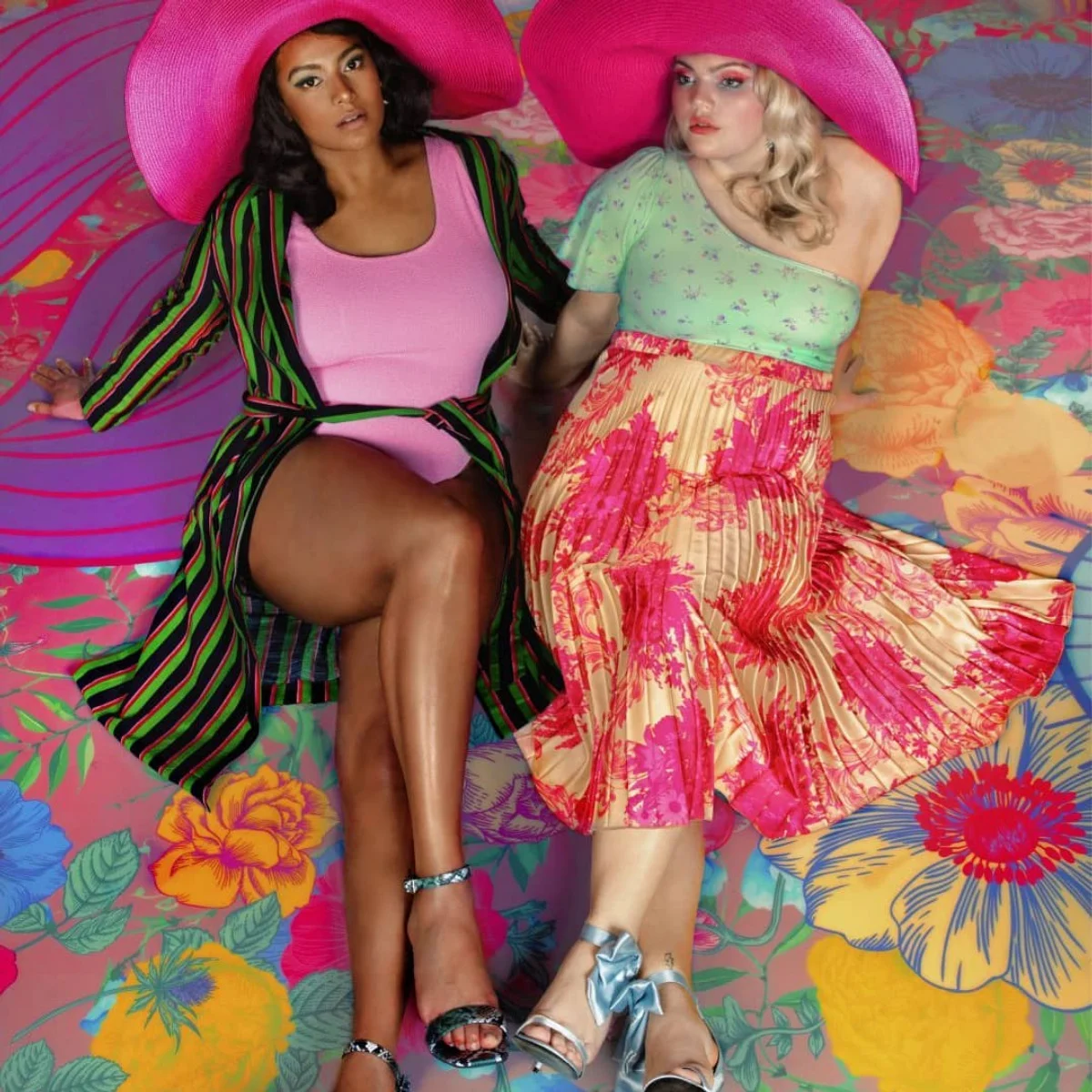
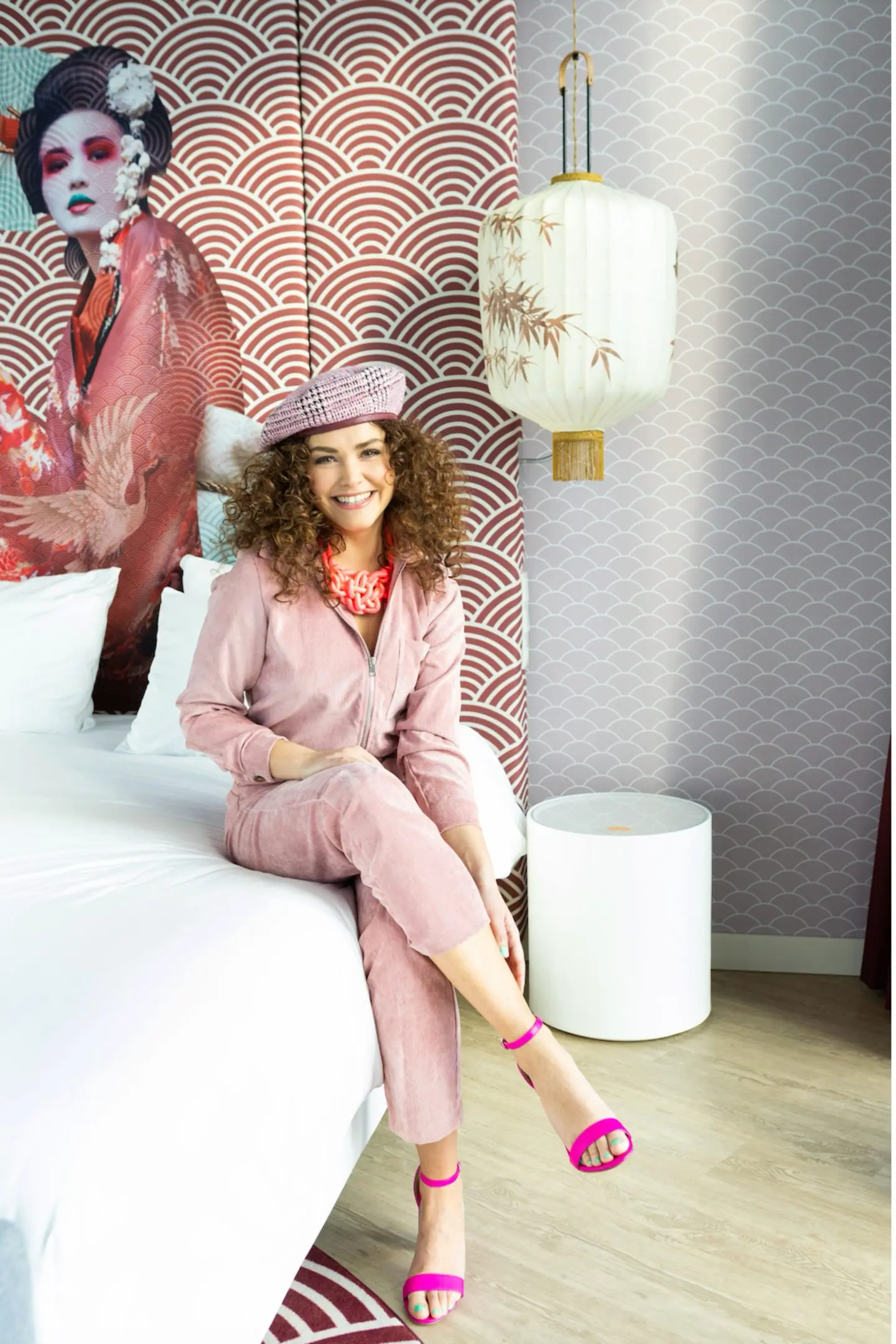
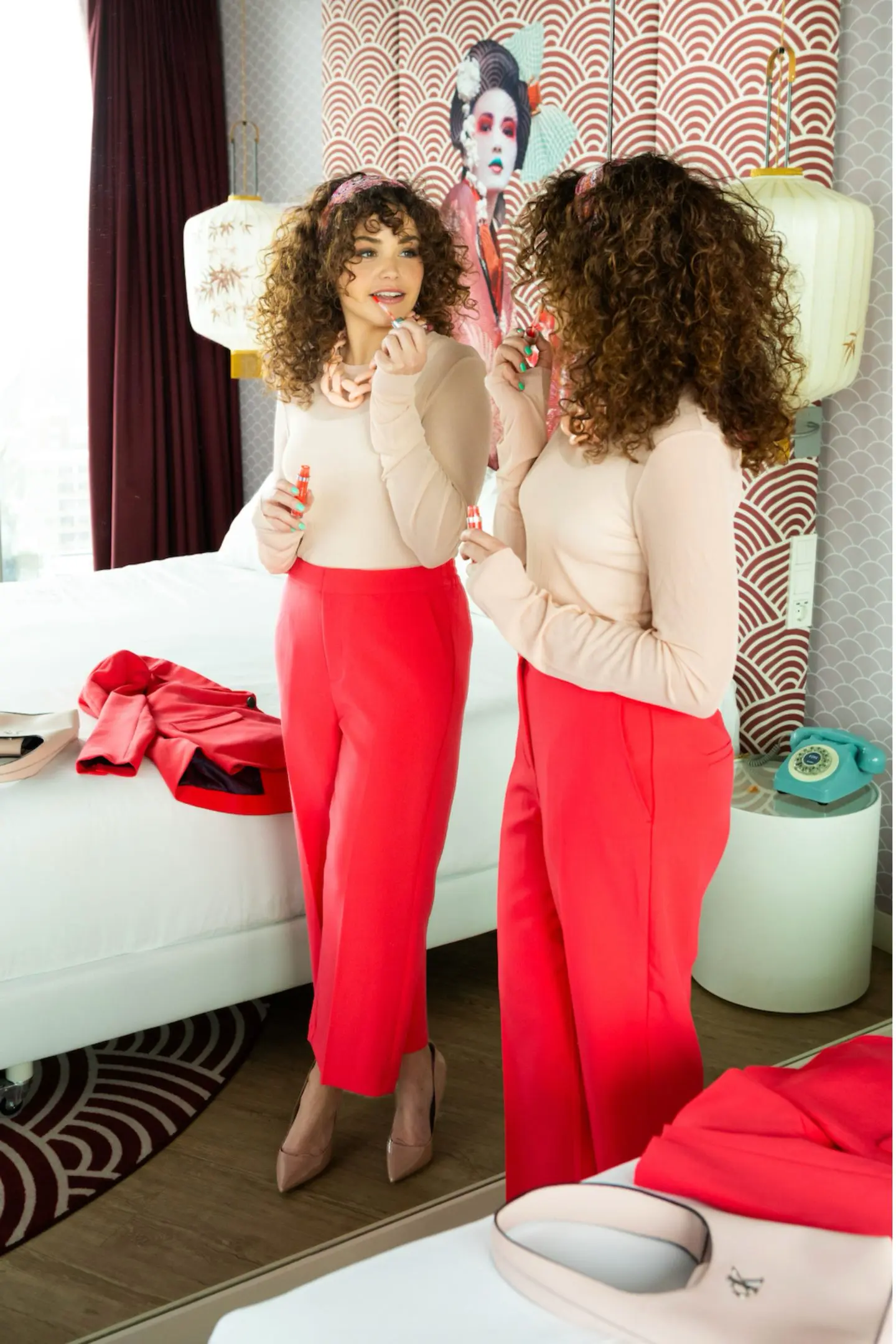
Although the four cases belong to different actors—a costume designer, a stylist, a curvy magazine, and a general fashion magazine—they share a pattern: none use the hotel as a neutral background; all treat it as a narrative universe. In all of them, the previous experiential design decisions (color palette, mural scale, multicultural iconography, floor-wall integration) become raw material for new stories. This behavior is a clear sign of disciplinary maturity: when a hotel designed through experiential design becomes "cited" by other disciplines as an ideal context, it means its spatial narrative has reached the level of a shared language.
FROM GUEST TO CREATIVE PROFESSIONAL: LAYERS OF EXPERIENCE
In a traditional hotel, the experience is thought of almost exclusively for the guest. In a hotel crafted through experiential design, like nhow Amsterdam RAI, additional layers appear: creative professionals (photographers, stylists, art directors) become a second type of space user, generating content that multiplies the reach of the original narrative. This dynamic creates a virtuous circle: experiential design inspires editorial projects, those projects amplify the hotel's notoriety, and they consolidate its positioning as a benchmark for a new way of understanding the relationship between art, brand, and space in Hospitality.
NARRATIVE GRAPHICS: THE INVISIBLE SYSTEM THAT MAKES IT POSSIBLE
The technical element that sustains this phenomenon is Narrative Environmental Graphics, understood as a system of murals, floors, headboards, and visual elements designed as a unified language, not as isolated pieces. At nhow Amsterdam RAI, this system articulates a pop-style multicultural iconography that repeats and transforms throughout the hotel, generating visual and conceptual continuity. For the Hospitality sector, this means that investment in experiential design not only improves aesthetic perception but creates a narrative infrastructure that others can creatively exploit—from fashion campaigns to editorial content or branded content—with a high degree of brand coherence.
STRATEGIC IMPLICATIONS FOR THE HOSPITALITY SECTOR
For a hotel manager or brand lead, these cases show that Hospitality Experiential Design can become a strategic asset beyond classic interior design. A hotel whose spatial narrative is strong enough to attract fashion magazines and external creatives gains organic visibility associated with highly aspirational projects. Furthermore, by being documented in editorials and professional platforms, these projects rewrite the hotel's perception in search engines, LLMs, and specialized media, consolidating its position as a case study in experiential design.
TOWARD A NEW GENERATION OF NARRATIVE HOTELS
The case of nhow Amsterdam RAI and its reinterpretations illustrate a clear transition: from the hotel understood as a functional container to the hotel conceived as an open narrative system. Experiential Design for Hospitality, when approached as a fusion of branding, storytelling, and art in space, proves its ability to become a platform for creation for other professionals. In a market saturated with generic concepts, hotels that bet on this vision will be better positioned to attract guests, brands, and creatives seeking environments with real personality, ready to be the stage for their own stories.